GLOW 70 vs KLOW 80: Which Peptide Blend Fits Different Research Goals?
The comparison of GLOW 70 vs KLOW 80 has become increasingly popular among researchers interested in regenerative medicine and peptide science. Both peptide blends combine…


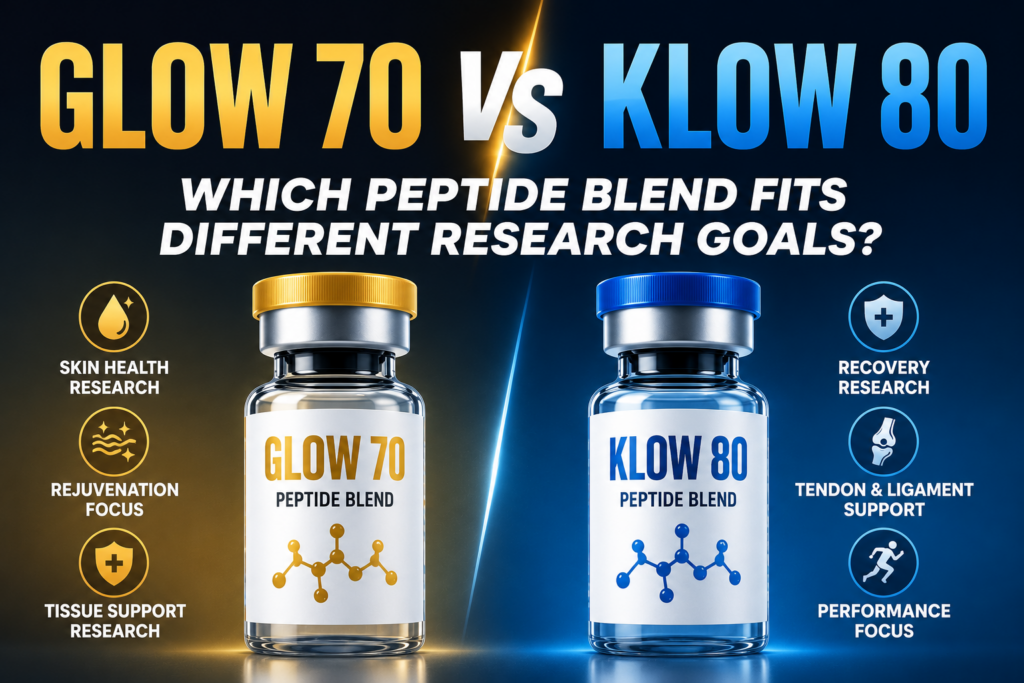
The comparison of GLOW 70 vs KLOW 80 has become increasingly popular among researchers interested in regenerative medicine and peptide science. Both peptide blends combine…
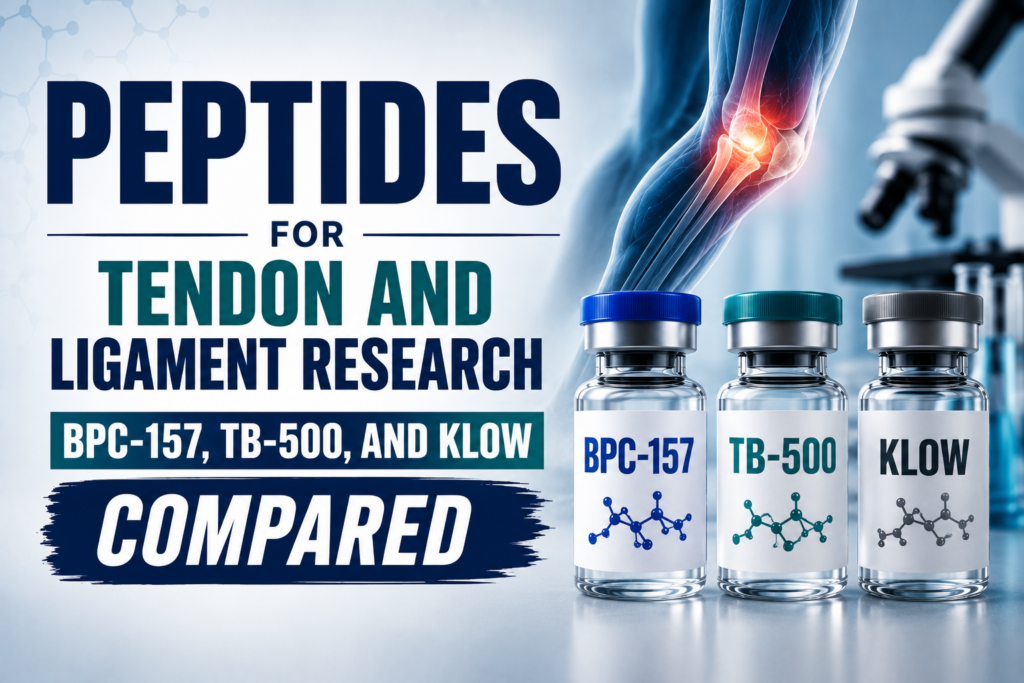
Tendon and ligament injuries are among the most challenging conditions to study because these connective tissues receive a limited blood supply and often heal more…
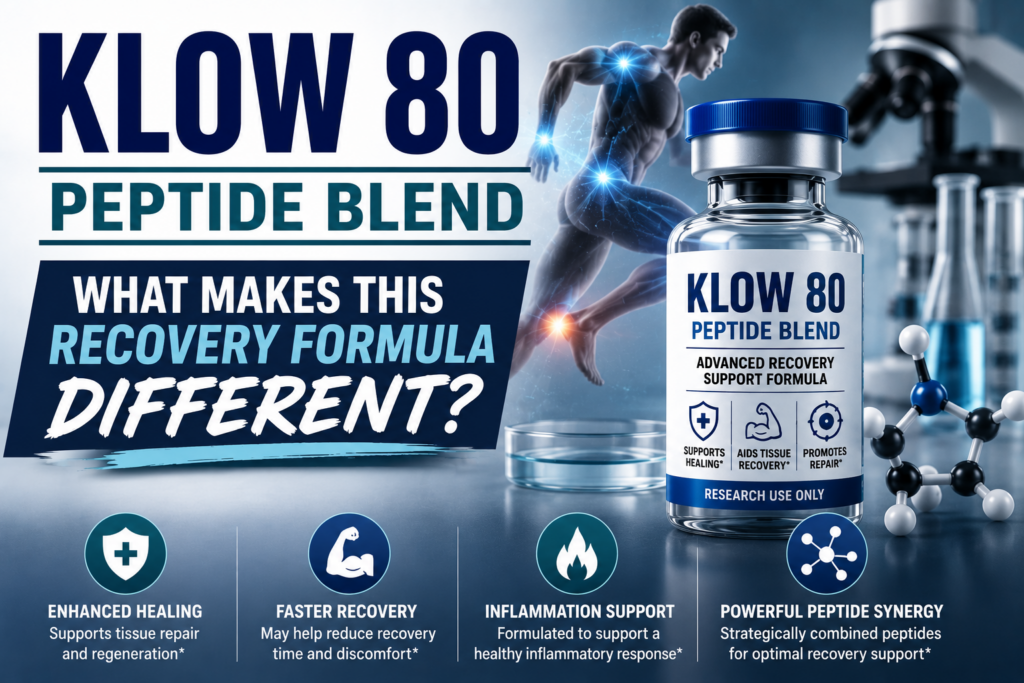
The KLOW 80 peptide blend has gained attention among researchers interested in regenerative medicine and tissue repair. Unlike single-peptide products, this formulation combines four research…
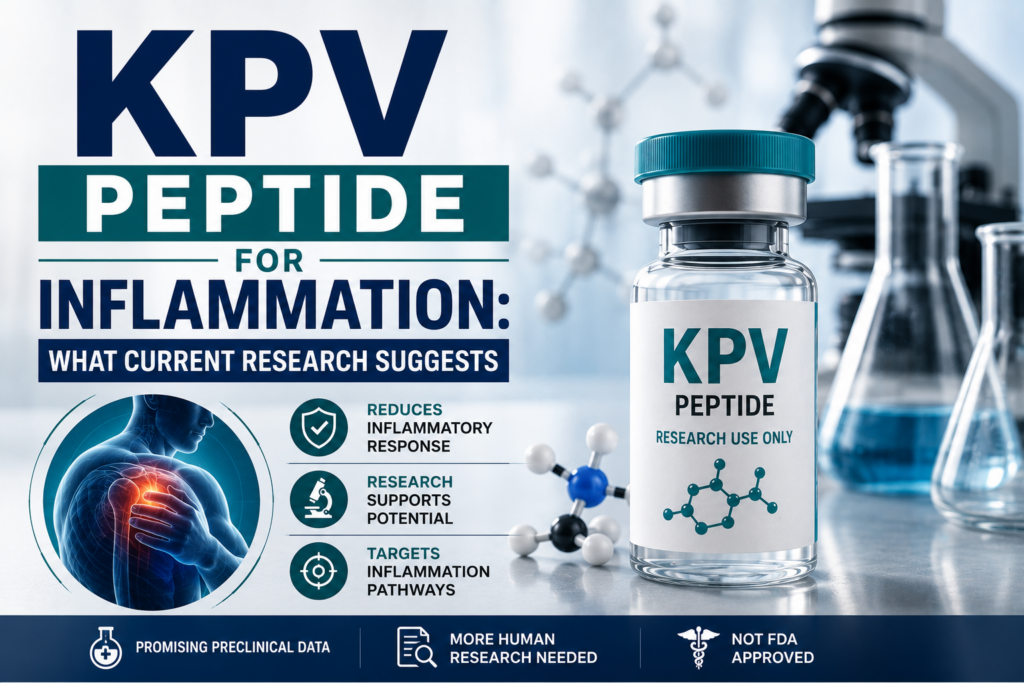
Inflammation plays a central role in many chronic diseases, from inflammatory bowel disease (IBD) and skin disorders to arthritis and respiratory conditions. While many anti-inflammatory…
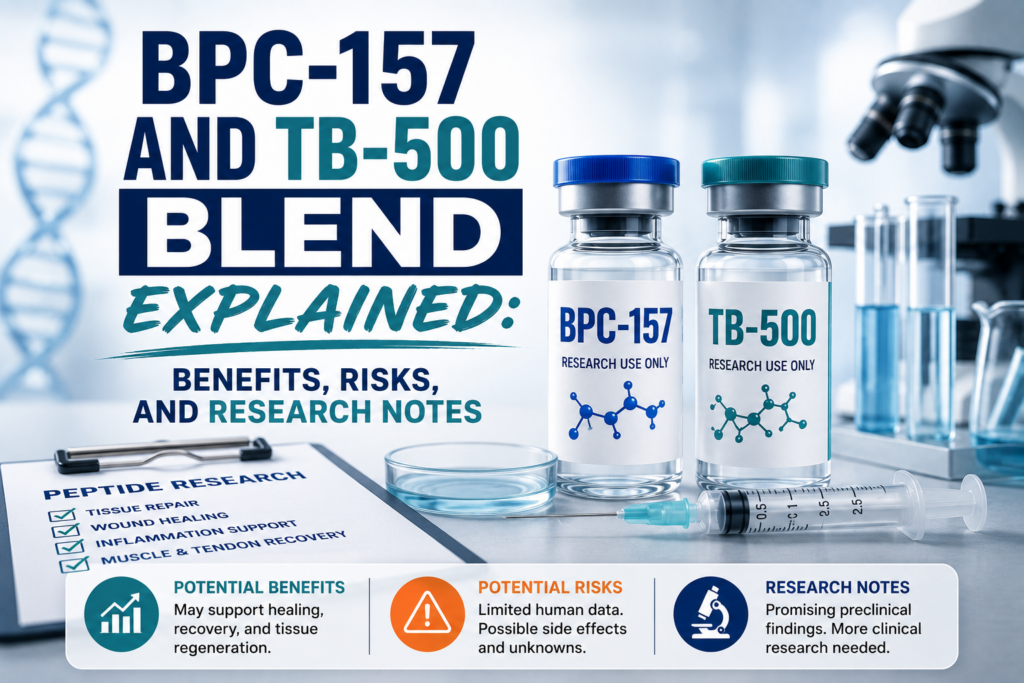
The BPC-157 TB-500 blend has become one of the most discussed peptide combinations in regenerative medicine research. Many researchers study these peptides together because they…
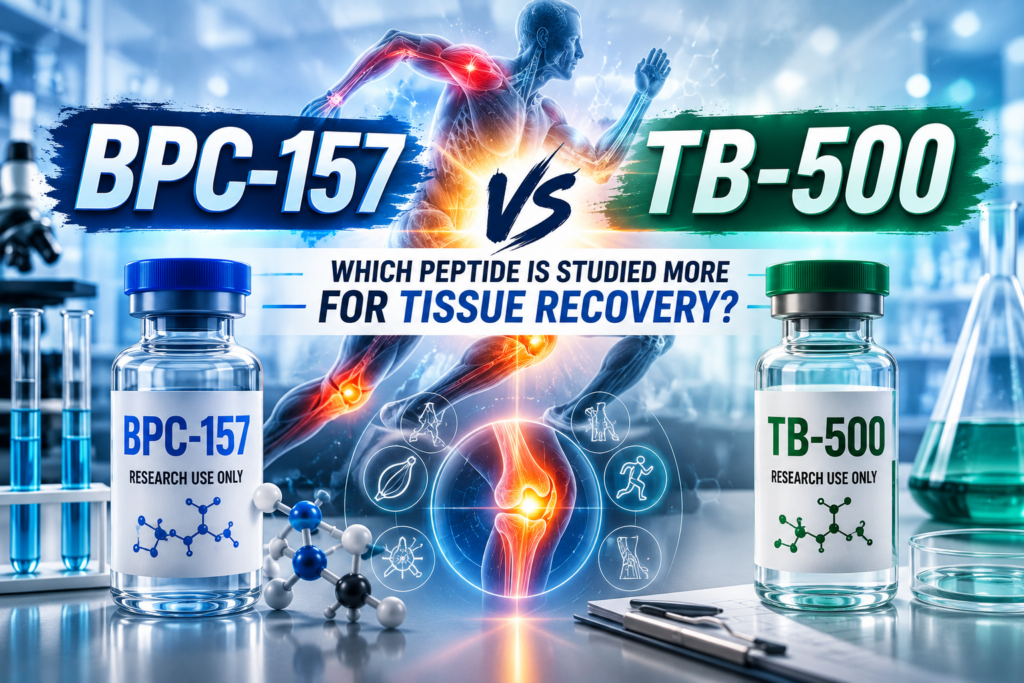
BPC-157 vs TB-500 is one of the most frequently discussed comparisons in peptide research. Both peptides have attracted scientific interest because of their potential roles…
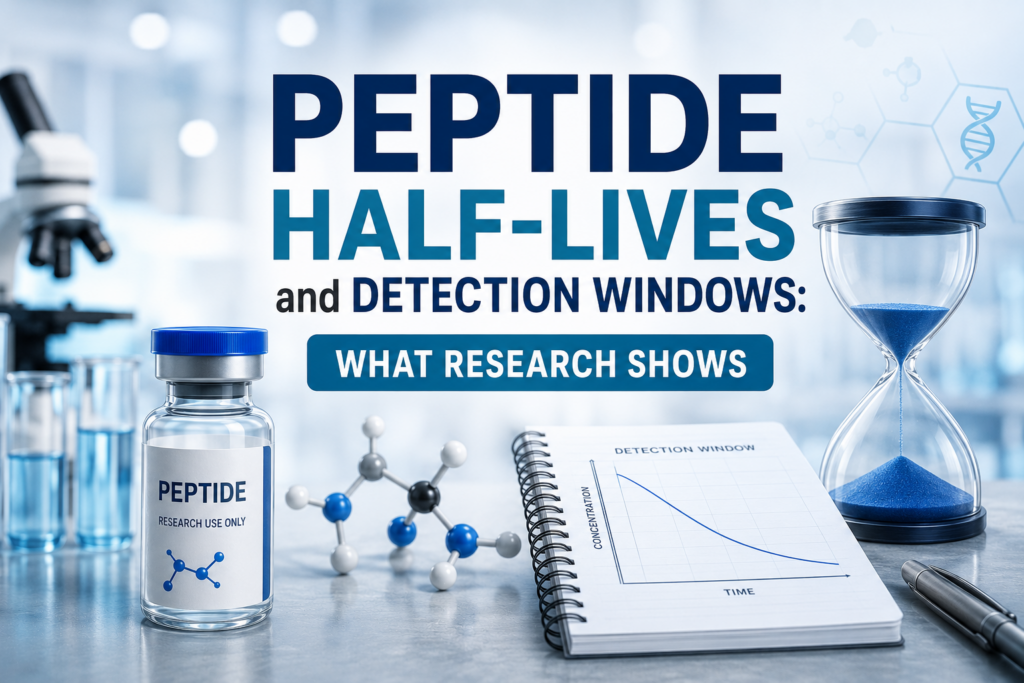
Peptides have become one of the most discussed research compounds in regenerative medicine, metabolic health, sports science, and aging research. As interest grows, researchers often…
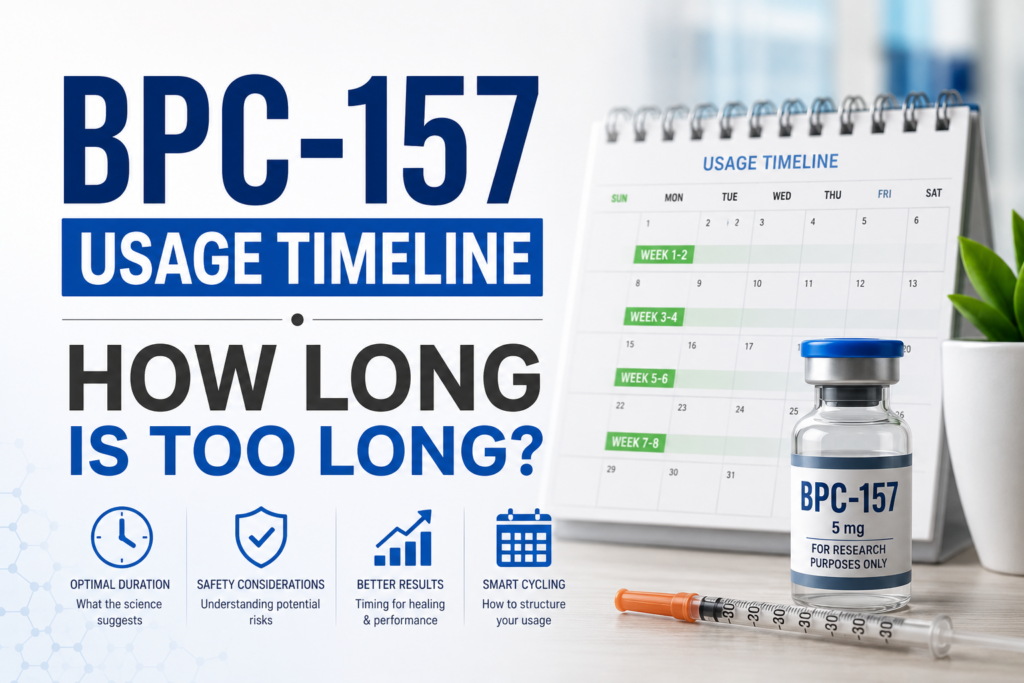
BPC-157 Usage has become one of the most discussed research peptides in recent years. Researchers and peptide enthusiasts often explore its potential role in injury…
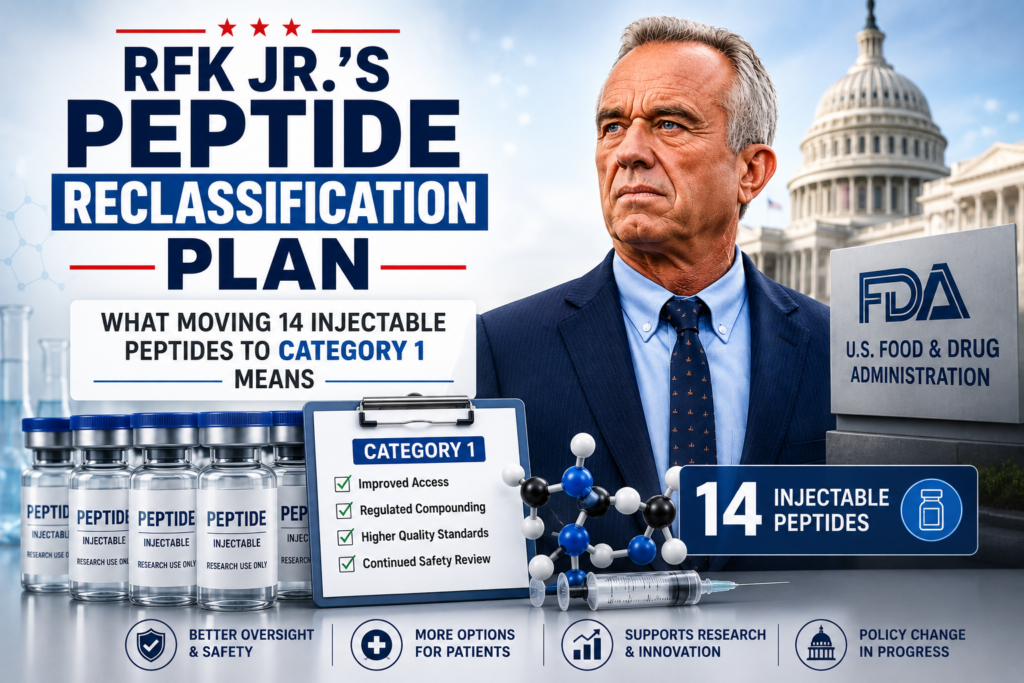
Robert F. Kennedy (Jr. RFK Jr.’s Peptide Reclassification Plan), the U.S. Secretary of Health and Human Services (HHS), has proposed moving 14 injectable peptides…

Cell signaling therapy is gaining attention in regenerative medicine, longevity research, and advanced wellness practices. The concept is based on one of the most fundamental…