
MOTS-C (10 mg Vial) Dosage Protocol
Contents
- Quickstart Highlights
- Dosing & Reconstitution Guide
- Standard / Gradual Approach (3 mL = ~3.33 mg/mL)
- Reconstitution Steps
- Supplies Needed
- Protocol Overview
- Dosing Protocol
- Storage Instructions
- Important Notes
- How This Works
- Potential Benefits & Side Effects
- Lifestyle Factors
- Injection Technique
- Recommended Source
- Important Note
- References
Quickstart Highlights
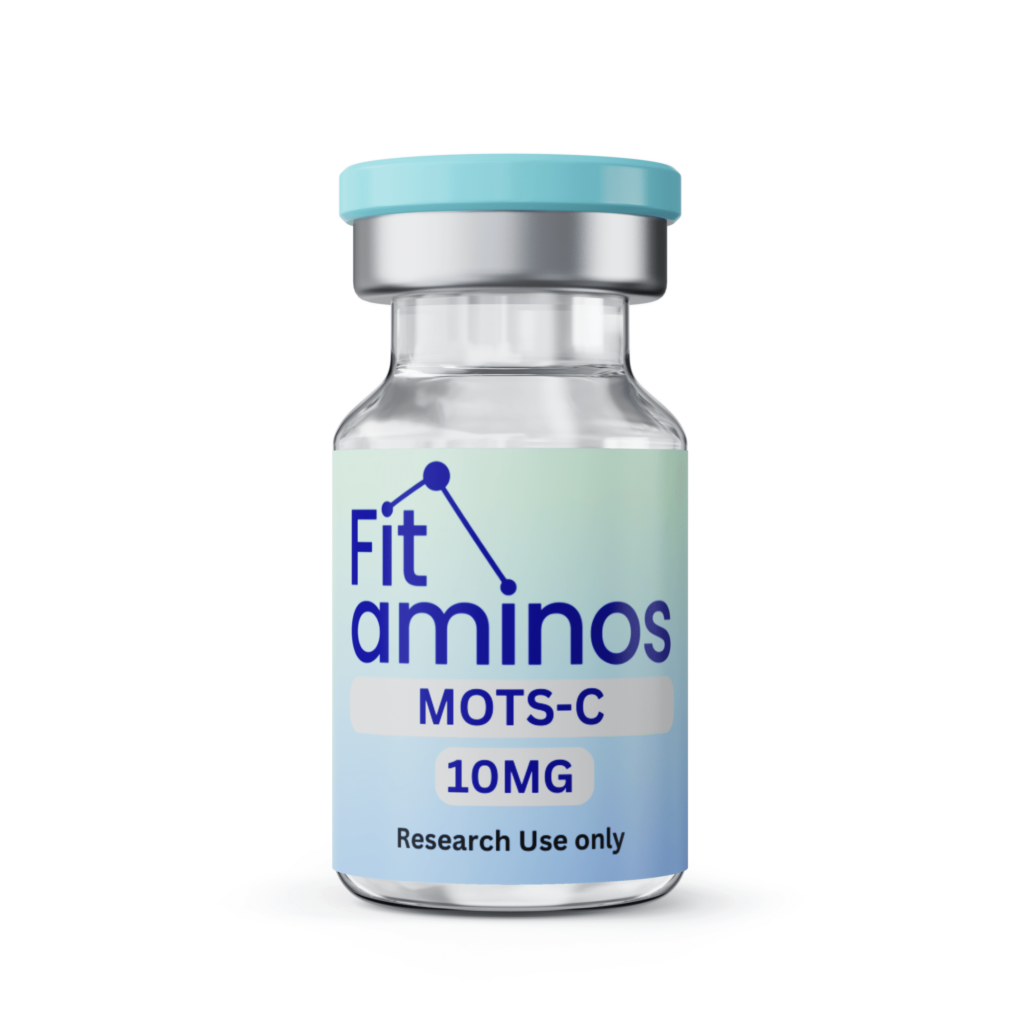
MOTS-C is a mitochondrial-derived peptide (MDP) composed of 16 amino acids, studied for its role in metabolic regulation and cellular energy balance. It is primarily associated with AMPK activation, a key pathway involved in glucose metabolism, fat oxidation, and overall energy homeostasis.
Preclinical research suggests MOTS-C may support insulin sensitivity, fat metabolism, exercise performance, and age-related metabolic function. This protocol outlines a gradual subcutaneous dosing approach designed for consistency and accurate measurement.
- Reconstitution: Add 3.0 mL bacteriostatic water → ~3.33 mg/mL
- Typical Range: 200–1000 mcg daily
- Measurement: 1 unit (U-100 syringe) ≈ 33.3 mcg
- Storage:
- Lyophilized: −20°C
- Reconstituted: 2–8°C (use within 7 days)
Dosing & Reconstitution Guide
Educational guide for reconstitution and daily dosing
Standard / Gradual Approach (3 mL = ~3.33 mg/mL)
| Week | Daily Dose (mcg) | Units (U-100) | Volume |
|---|---|---|---|
| Weeks 1–2 | 200 mcg | 6 units | 0.06 mL |
| Weeks 3–4 | 400 mcg | 12 units | 0.12 mL |
| Weeks 5–6 | 600 mcg | 18 units | 0.18 mL |
| Weeks 7–8 | 800 mcg | 24 units | 0.24 mL |
| Weeks 9–10+ | 1000 mcg | 30 units | 0.30 mL |
Administer via subcutaneous injection once daily. This protocol uses a 3.0 mL dilution to maintain accurate and consistent dosing per injection. Each dose level should be followed for approximately 2 weeks before increasing, allowing time to assess tolerance and monitor for any adverse reactions.
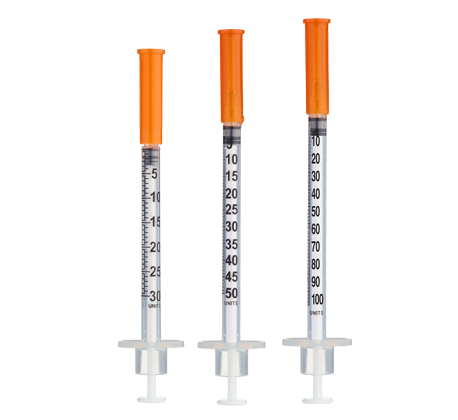
For smaller doses (≤10 units / ≤0.10 mL), using 30- or 50-unit insulin syringes is recommended to improve measurement precision and readability.
Reconstitution Steps
- Draw 3.0 mL bacteriostatic water with a sterile syringe
- Inject slowly down the vial wall to prevent foaming
- Gently swirl until fully dissolved (do not shake)
- Label vial and refrigerate at 2–8°C
- Protect from light
Important: This guide is for educational purposes only and is not medical advice. For research use only. Not for human consumption.
Supplies Needed
Peptide Vials (10 mg):
- 8 weeks → ~3 vials
- 12 weeks → ~6 vials
Insulin Syringes (U-100):
- 7 per week
- 8 weeks → 56
- 12 weeks → 84
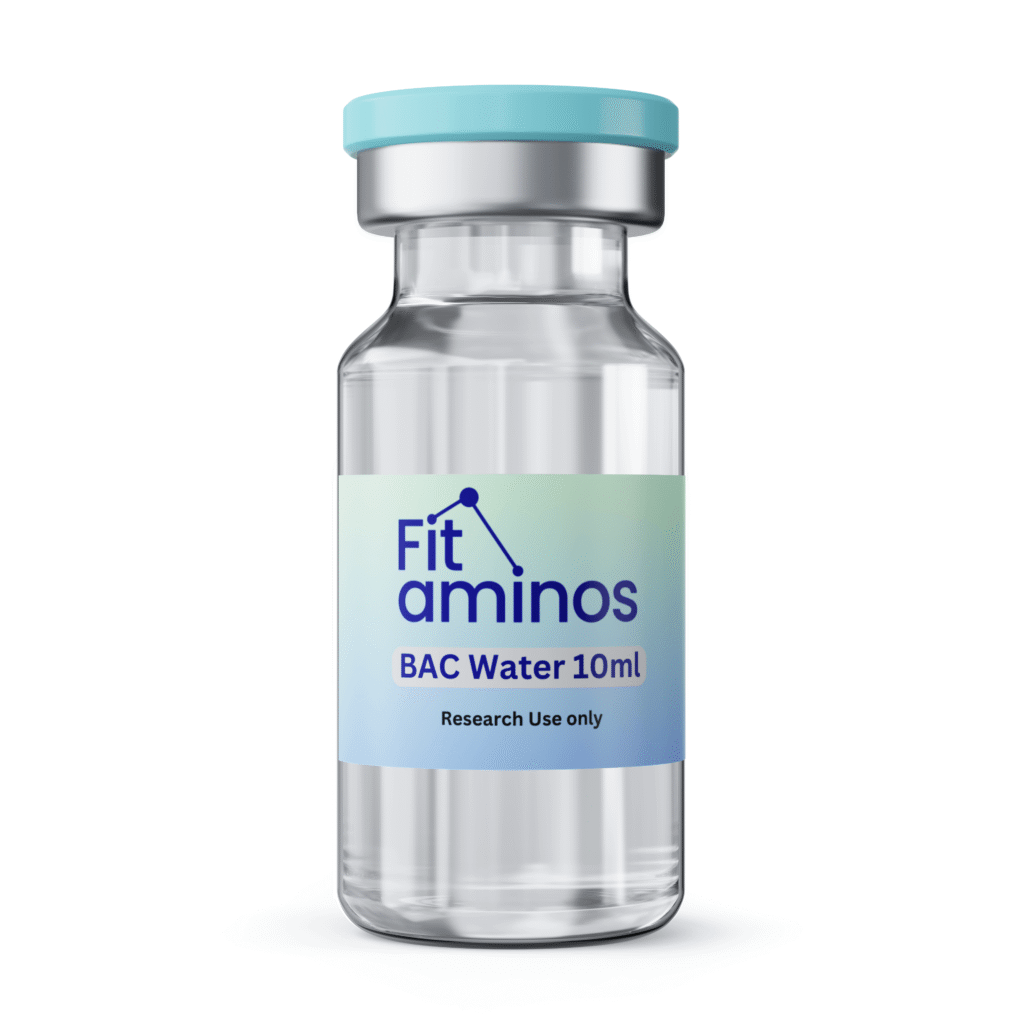
Bacteriostatic Water:
- 3 mL per vial
- 8 weeks → ~9 mL
- 12 weeks → ~18 mL
Alcohol Swabs:
- 2 per day
- 8 weeks → ~112
- 12 weeks → ~168

Protocol Overview
- Goal: Support metabolic regulation and energy balance
- Schedule: Once-daily subcutaneous administration
- Dose Range: 200–1000 mcg with gradual titration
- Cycle Length: 8–12 weeks (extendable to 16 weeks)
- Focus Areas: Insulin sensitivity, fat metabolism, endurance
Dosing Protocol
- Start at 200 mcg daily (Weeks 1–2)
- Increase by ~200 mcg every 2 weeks
- Target 800–1000 mcg daily
- Maintain consistent timing
- Rotate injection sites
Storage Instructions
- Lyophilized: Store at −20°C in a dry, dark environment
- Reconstituted: Refrigerate at 2–8°C
- Avoid repeated freeze–thaw cycles
- Use within 2–3 weeks for best stability
- Allow vial to reach room temperature before opening
Important Notes
Key considerations for consistency, handling, and research accuracy.
- Always use a new, sterile insulin syringe for each administration; do not reuse needles
- Follow proper aseptic technique: clean both the vial stopper and injection site with separate alcohol swabs and allow to dry fully
- Rotate injection sites (abdomen, thighs, upper arms) to reduce irritation and avoid tissue buildup
- Administer injections slowly and steadily, allowing a few seconds before withdrawing the needle
- Keep a record of dosing, timing, and injection sites to maintain consistency throughout the protocol
- Do not use the solution if it appears cloudy, discolored, or contains visible particles
- Store and handle peptides according to recommended conditions to preserve stability
How This Works
MOTS-C acts as a metabolic regulator by activating AMPK (AMP-activated protein kinase)—a central pathway that controls cellular energy.
- Increases glucose uptake
- Enhances fat oxidation
- Improves mitochondrial efficiency
- Supports stress-response signaling
It may also influence gene expression and antioxidant pathways, helping cells adapt to metabolic stress.
Potential Benefits & Considerations
Potential Benefits
- Supports metabolic function through AMPK activation
- May improve insulin sensitivity and glucose utilization
- Promotes fat metabolism and energy efficiency
- May enhance endurance and physical performance
- Supports cellular stress response and mitochondrial function
Considerations
- Limited human research; primarily based on preclinical studies
- Considered an experimental peptide (research use only)
- Requires proper storage and use within a short time after reconstitution
- Effects may vary based on dosage and individual response
- Best results are often linked with diet and lifestyle factors
Lifestyle Factors
- Combine with balanced diet (high protein, controlled calories)
- Include strength + cardio training
- Prioritize sleep (7–9 hours)
- Consider fasting or calorie control strategies
- Maintain hydration
Injection Technique
General guidance for subcutaneous administration:
- Clean the vial stopper and injection area with alcohol and allow to dry
- Gently pinch the skin and insert the needle at a 45–90° angle
- Inject slowly and steadily without aspirating
- Hold the needle in place for a few seconds before removing
- Rotate injection sites (abdomen, thighs, upper arms) to reduce irritation
Recommended Source
We recommend Fit Aminos for high-purity research peptide products.
Why Fit Aminos?
- High-purity, lab-tested peptide batches with quality verification.
- Consistent handling and preparation processes designed to support reliable research protocols.
- Transparent sourcing and dependable fulfillment for research-grade compounds.
Important Note
This content is intended for educational and research purposes only and does not constitute medical advice, diagnosis, or treatment. MOTS-C (10 mg Vial)remains an investigational peptide with limited human clinical data. For research use only. Not for human consumption.
References
Cell Metabolism (2015) — The mitochondrial-derived peptide MOTS-c promotes metabolic homeostasis and reduces obesity and insulin resistance (Lee C, Zeng J, Drew BG, et al.)
Journal of Translational Medicine (2023) — Mitochondria-derived peptide MOTS-c: effects and mechanisms related to stress, metabolism and aging (Wan W, Zhang L, Lin Y, et al.)
Journal of Molecular Medicine (2019) — MOTS-c peptide regulates adipose homeostasis to prevent ovariectomy-induced metabolic dysfunction (Lu H, Wei M, Zhai Y, et al.)
Nature Communications (2021) — MOTS-c is an exercise-induced mitochondrial-encoded regulator of age-dependent physical decline and muscle homeostasis (Reynolds JC, Lai RW, Woodhead JST, et al.)
Frontiers in Physiology (2023) — Role of MOTS-c in the regulation of bone metabolism (Yi X, Hu G, Yang Y, et al.)