GLOW 70 Dosage Protocol
Contents
- Quickstart Highlights
- Dosing & Reconstitution Guide
- Standard Approach (3 mL = 23.33 mg/mL)
- Reconstitution Steps
- Supplies Needed
- Protocol Overview
- Dosing Protocol
- Storage Instructions
- Important Notes
- How This Works
- Potential Benefits & Side Effects
- Lifestyle Factors
- Injection Technique
- Recommended Source
- Important Note
- References
Quickstart Highlights
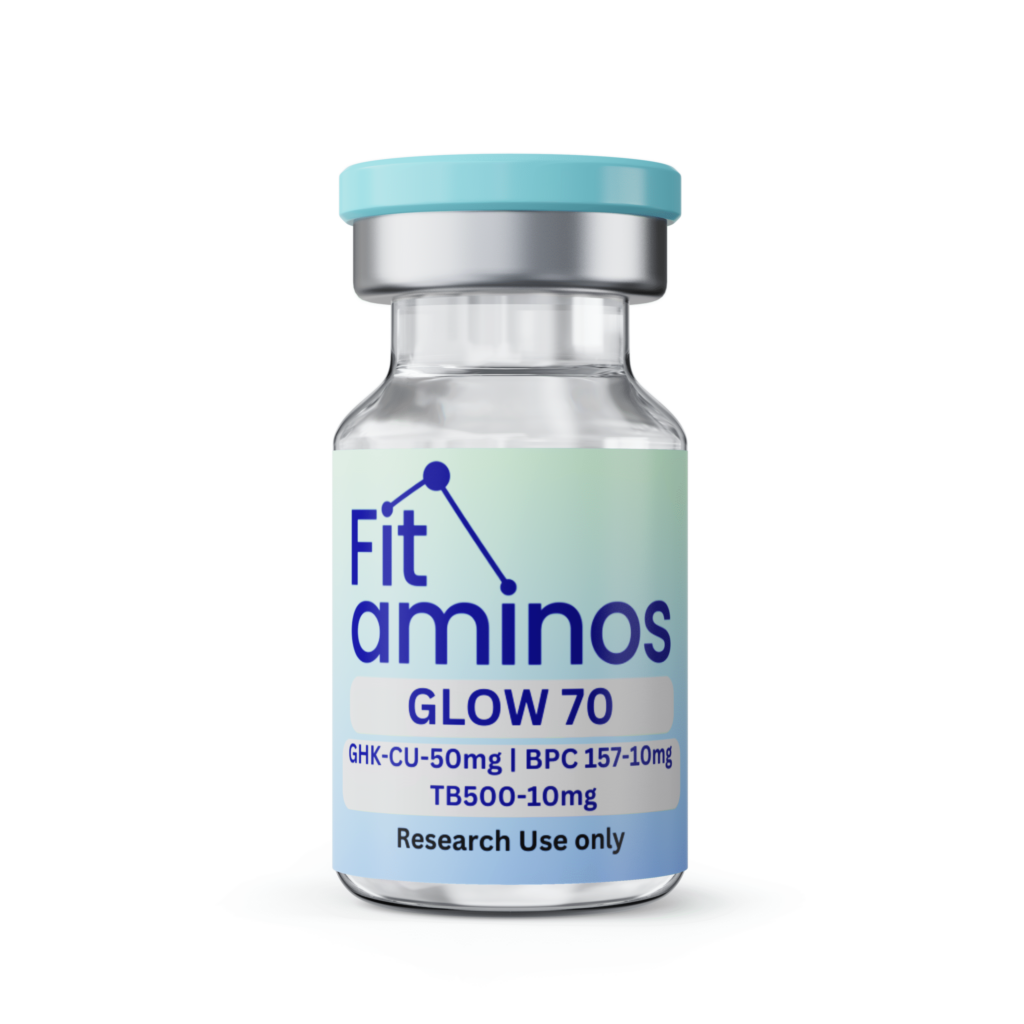
GLOW is a multi-peptide research blend combining GHK-Cu (50mg), TB-500 (10mg), and BPC-157 (10mg) in a single 70 mg vial. These peptides are widely studied for their roles in cellular repair, extracellular matrix signaling, and tissue remodeling pathways. When combined, they allow researchers to explore multi-pathway regenerative interactions in controlled settings.
- Reconstitute: Add 3.0 mL bacteriostatic water → ~23.33 mg/mL
- Typical daily dose: ~2.33 mg once daily
- Easy measuring:1 unit ≈ 233 mcg (U-100 syringe)
- Storage: Refrigerate after reconstitution; use within 4 weeks
Dosing & Reconstitution Guide
Educational guide for reconstitution and daily dosing
Standard Approach (3 mL = 23.3 mg/mL)
| Protocol | Daily Dose (mg) | Units (per injection) (mL) |
|---|---|---|
| Standard | 2.33 mg | 10 units (0.10 mL) |
Frequency: Once daily (subcutaneous)
This dosing provides approximately:
- ~1.66 mg GHK-Cu
- ~0.33 mg TB-500
- ~0.33 mg BPC-157
*Important to take Zinc Supplement to help balance added copper in system.
Reconstitution Steps
- Draw 3.0 mL bacteriostatic water using a sterile syringe
- Inject slowly into the vial (avoid direct powder impact)
- Gently swirl until dissolved (do not shake)
- Store refrigerated at 2–8°C
- Use within 4 weeks
Important: This guide is for educational purposes only and is not medical advice. For research use only. Not for human consumption.
Supplies Needed
Plan based on a 4-week protocol:
Peptide Vials:
- 4 weeks → 1 vial (70mg)
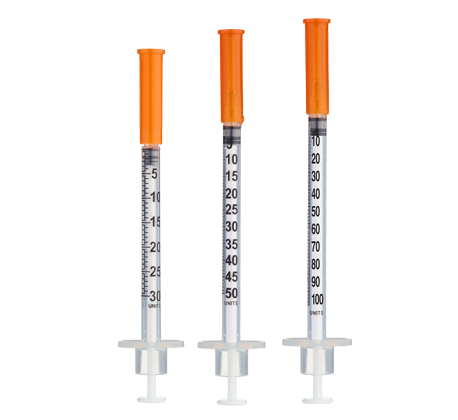
Insulin Syringes (U-100):
- 28 syringes (1 per day)
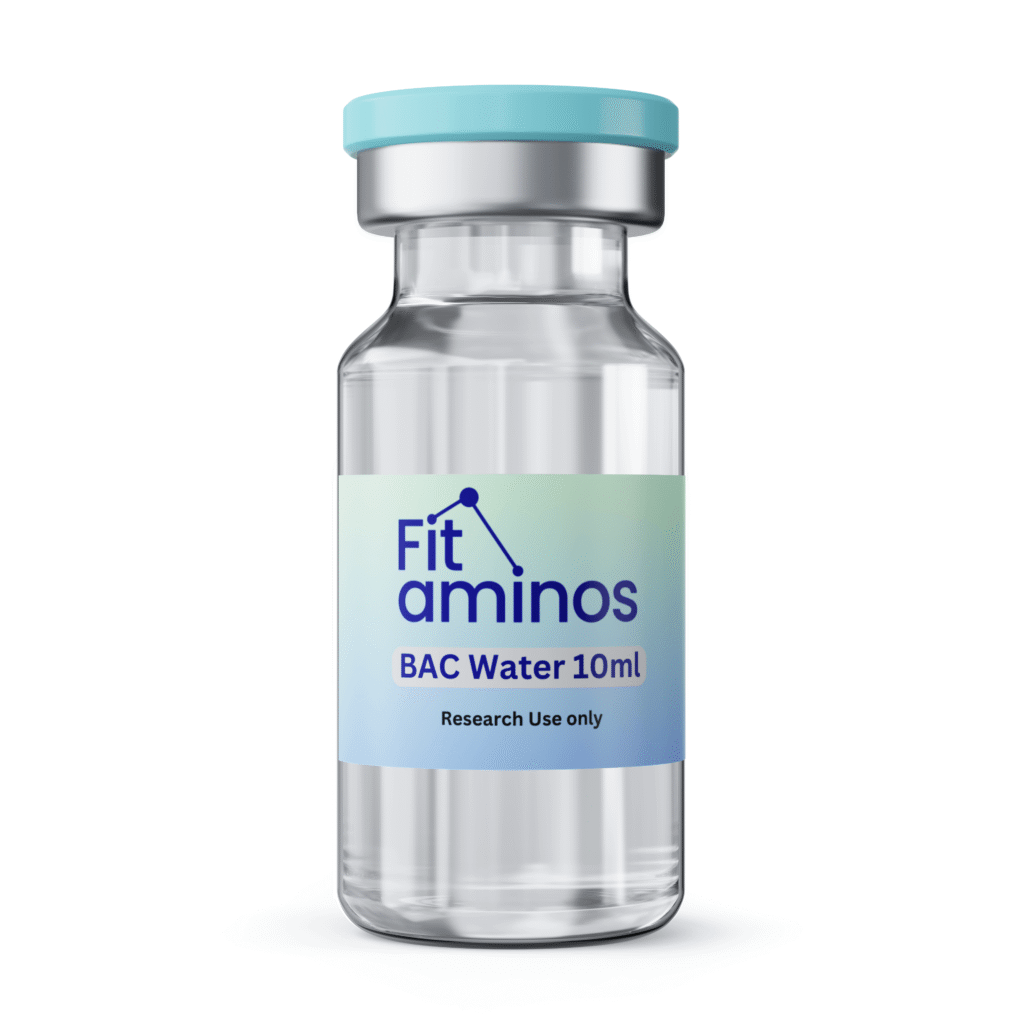
Bacteriostatic Water:
- 3 mL required → 1 × 10 mL bottle
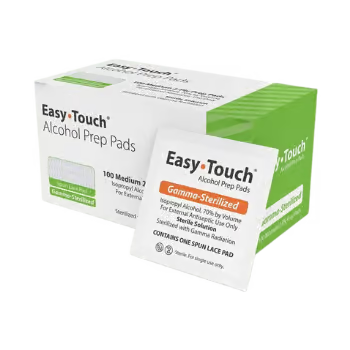
Alcohol Swabs:
- 56 swabs → recommend 1 × 100 pack
Protocol Overview
Goal: Investigate synergistic peptide activity in tissue repair, collagen signaling, and cellular regeneration pathways
Schedule:
- Daily dosing for 4-16 weeks
- Follow with 2–4 week break
Dose:
- 2.33 mg daily total blend
Reconstitution:
- 3.0 mL per vial
Storage: Lyophilized vials frozen; reconstituted solutions refrigerated; use within 4 weeks.
Dosing Protocol
A consistent once-daily dosing structure designed for balanced peptide administration.
- Daily Dose: 2.33 mg (equivalent to 10 units / 0.10 mL), maintained throughout the full cycle
- Frequency: Administer once daily via subcutaneous injection, ideally at the same time each day
- Cycle Duration: 4-16 weeks of continuous use, followed by a 2–4 week break to assess response and support receptor recovery
- Injection Volume: Approximately 0.10 mL per dose, well within typical comfort limits for subcutaneous delivery (generally under 1.0–1.5 mL)
- Syringe Guidance: A 0.3 mL (30-unit) U-100 insulin syringe is recommended for improved accuracy when measuring small volumes
Storage Instructions
Proper storage is essential to maintain peptide stability and integrity.
- Lyophilized (Unmixed): Store in a freezer at approximately −20°C (−4°F) for long-term preservation. If freezing is not available, refrigeration (2–8°C) is acceptable for shorter durations. Keep in a dry, dark environment away from moisture.
- After Reconstitution: Store the solution in a refrigerator at 2–8°C (35.6–46.4°F) at all times. Do not freeze once mixed.
- Shelf Life: Use within 28 days after reconstitution for optimal stability and reliability. Discard any remaining solution after this period.
- Handling Tips:
- Allow the vial to reach room temperature before opening to minimize condensation
- Protect from direct light exposure
- Inspect before use; discard if cloudy, discolored, or contains particles
Important Notes
Key considerations for consistency, handling, and research accuracy.
- Always use a new, sterile insulin syringe for each administration; do not reuse needles
- Follow proper aseptic technique: clean both the vial stopper and injection site with separate alcohol swabs and allow to dry fully
- Rotate injection sites (abdomen, thighs, upper arms) to reduce irritation and avoid tissue buildup
- Administer injections slowly and steadily, allowing a few seconds before withdrawing the needle
- Keep a record of dosing, timing, and injection sites to maintain consistency throughout the protocol
- Do not use the solution if it appears cloudy, discolored, or contains visible particles
- Store and handle peptides according to recommended conditions to preserve stability
How This Works
GLOW 70 combines three peptides that act through distinct but complementary biological pathways:
GHK-Cu is studied for its role in gene signaling, collagen synthesis, and extracellular matrix regulation, supporting cellular repair and structural remodeling processes.
TB-500 is associated with cell migration and cytoskeletal organization, helping researchers examine how cells move, repair, and reorganize in response to tissue stress.
BPC-157 is commonly explored for its involvement in angiogenic signaling, fibroblast activity, and connective tissue pathways, particularly in models related to tissue integrity and repair.
Together, these peptides provide a multi-pathway research model for studying coordinated tissue regeneration and cellular communication.
Potential Benefits & Side Effects
Insights based on preclinical and emerging clinical research on the individual peptide components.
- Tissue Repair & Regeneration Support: This blend is commonly studied for how it supports the body’s natural repair process. GHK-Cu is linked to skin remodeling, while TB-500 and BPC-157 are researched for their roles in tissue recovery, cell movement, and overall healing support.
- Inflammatory Response Support: Each peptide in this blend has been studied for its interaction with inflammatory pathways, helping support a more balanced environment during periods of stress or recovery.
- Collagen & Structural Support: GHK-Cu is known for its connection to collagen production and skin health. Combined with BPC-157 and TB-500, this blend is often researched for supporting tissue strength, structure, and overall integrity.
- Skin, Hair & Nail Support: Supports thicker, stronger hair, helps improve nail strength, enhances skin tone, elasticity, and hydration, and supports the appearance of smoother skin and fine lines.
- Cell Movement & Blood Flow Support: TB-500 is studied for helping cells move and repair damaged areas, while BPC-157 is linked to supporting new blood vessel formation. Together, they are often researched for how the body coordinates healing.
- Full-Body Research Applications: This blend is commonly used across multiple research models, including muscle, skin, and connective tissue, making it useful for studying overall recovery and regeneration.
- Tolerability: Available research suggests these peptides are generally well tolerated in controlled settings. Some individuals may experience mild irritation or redness at the application site.
Note:
These observations are based on early-stage and preclinical research. Further large-scale human studies are required to fully evaluate safety, efficacy, and long-term outcomes.
Lifestyle Factors
Supportive habits that may enhance tissue repair and recovery outcomes.
- Ensure sufficient daily protein intake (approximately 1.6–2.2 g per kg of body weight) to aid collagen production and tissue rebuilding
- Incorporate structured resistance training along with appropriate activity adjustments based on recovery needs
- Focus on consistent, high-quality sleep (7–9 hours per night), as it plays a key role in regeneration and recovery processes
- Practice effective stress management techniques to help maintain a balanced hormonal environment
- Maintain proper hydration and adequate intake of key micronutrients, including vitamin C, zinc, and copper, which are important for connective tissue support
Injection Technique
General guidance for subcutaneous administration:
- Clean the vial stopper and injection area with alcohol and allow to dry
- Gently pinch the skin and insert the needle at a 45–90° angle
- Inject slowly and steadily without aspirating
- Hold the needle in place for a few seconds before removing
- Rotate injection sites (abdomen, thighs, upper arms) to reduce irritation
Recommended Source
We recommend Fit Aminos for high-purity research peptide products Glow 70
Why Fit Aminos?
- High-purity, lab-tested peptide batches with quality verification.
- Consistent handling and preparation processes designed to support reliable research protocols.
- Transparent sourcing and dependable fulfillment for research-grade compounds.
Shop for Glow 70 at Fit Aminos
Important Note
This content is intended for educational and research purposes only and does not constitute medical advice, diagnosis, or treatment. Glow 70 remains an investigational peptide with limited human clinical data. For research use only. Not for human consumption.
References
International Journal of Molecular Sciences
— Regenerative and Protective Actions of the GHK-Cu Peptide in the Light of the New Gene Data (2018)
International Journal of Medical Sciences
— Exploring the Role of Tripeptides in Wound Healing and Skin Regeneration: A Comprehensive Review (2025)
Vitamins & Hormones (PubMed)
— Thymosin β4 Promotes Dermal Healing (2016)
Expert Opinion on Biological Therapy (PubMed)
— Thymosin β4: A Multi-Functional Regenerative Peptide. Basic Properties and Clinical Applications (2012)
HSS Journal (PMC)
— Emerging Use of BPC-157 in Orthopaedic Sports Medicine: A Systematic Review (2025)