
Tirzepatide (GLP-2T) 30mg – Dosage Protocol
Contents
- Quickstart Highlights
- Dosing & Reconstitution Guide
- Standard / Gradual Titration (3 mL = 10.0 mg/mL)
- Reconstitution Steps
- Supplies Needed
- Protocol Overview
- Dosing Protocol
- Storage Instructions
- Important Notes
- How This Works
- Potential Benefits & Side Effects
- Lifestyle Factors
- Injection Technique
- Recommended Source
- Important Note
- References
Quickstart Highlights
Tirzepatide is a 39–amino acid dual incretin receptor agonist that activates both GLP-1 and GIP receptors. This dual mechanism enhances insulin secretion in a glucose-dependent manner, suppresses glucagon release, slows gastric emptying, and helps reduce appetite.
With a half-life of approximately 5 days, Tirzepatide supports a convenient once-weekly subcutaneous dosing schedule. Clinical studies have demonstrated superior blood glucose control and weight reduction compared to traditional GLP-1 receptor agonists.
- Reconstitution: Add 3.0 mL bacteriostatic water to achieve a concentration of 10.0 mg/mL
- Typical Dose Range: 2.5 mg to 15 mg once weekly
- Measurement Guide:
- 1 unit (U-100 syringe) = 0.01 mL = 100 mcg
- Storage:
- Lyophilized: Store at −20°C (−4°F)
- Reconstituted: Refrigerate at 2–8°C (35.6–46.4°F)
- Use within 28 days

Dosing & Reconstitution Guide
Educational guide for reconstitution and daily dosing
Standard / Gradual Titration (3 mL = 10.0 mg/mL)
| Phase | Weekly Dose (mg) | Units (per injection) (mL) |
|---|---|---|
| Weeks 1–4 | 2.5 mg | 25 units (0.25 mL) × 1 injection |
| Weeks 5–8 | 5 mg | 50 units (0.50 mL) × 1 injection |
| Weeks 9–12 | 7.5 mg | 75 units (0.75 mL) × 1 injection |
| Weeks 13–16 | 10 mg | 100 units (1.0 mL) × 1 injection |
Frequency: Once daily (subcutaneous)
Note: Larger doses (>1.0 mL) may be split into two injections for improved comfort.
- All listed doses fit within a single 1 mL insulin syringe at this concentration
- Dose escalation occurs every 4 weeks to improve tolerability
- Higher doses (12.5–15 mg/week) may be used if needed and well tolerated
Reconstitution Steps
- Draw 3.0 mL bacteriostatic water using a sterile syringe
- Inject slowly along the vial wall to avoid foaming
- Gently swirl or roll until fully dissolved (do not shake)
- Label the vial with the preparation date
- Store refrigerated and protected from light
- Use within 28 days
Important: This guide is for educational purposes only and is not medical advice. For research use only. Not for human consumption.
Supplies Needed
Based on an 8–16 week once-weekly protocol with gradual titration:
Tirzepatide Vials (30 mg each)
- 8 weeks: ~30 mg total → 1 vial
- 12 weeks: ~60 mg total → 2 vials
- 16 weeks: ~100 mg total → 4 vials
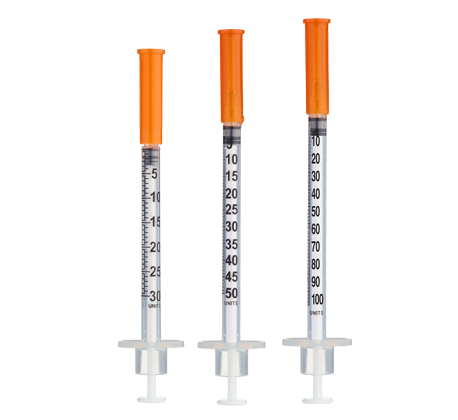
Insulin Syringes (U-100, 1 mL)
- 8 weeks: 8 syringes
- 12 weeks: 12 syringes
- 16 weeks: 16 syringes
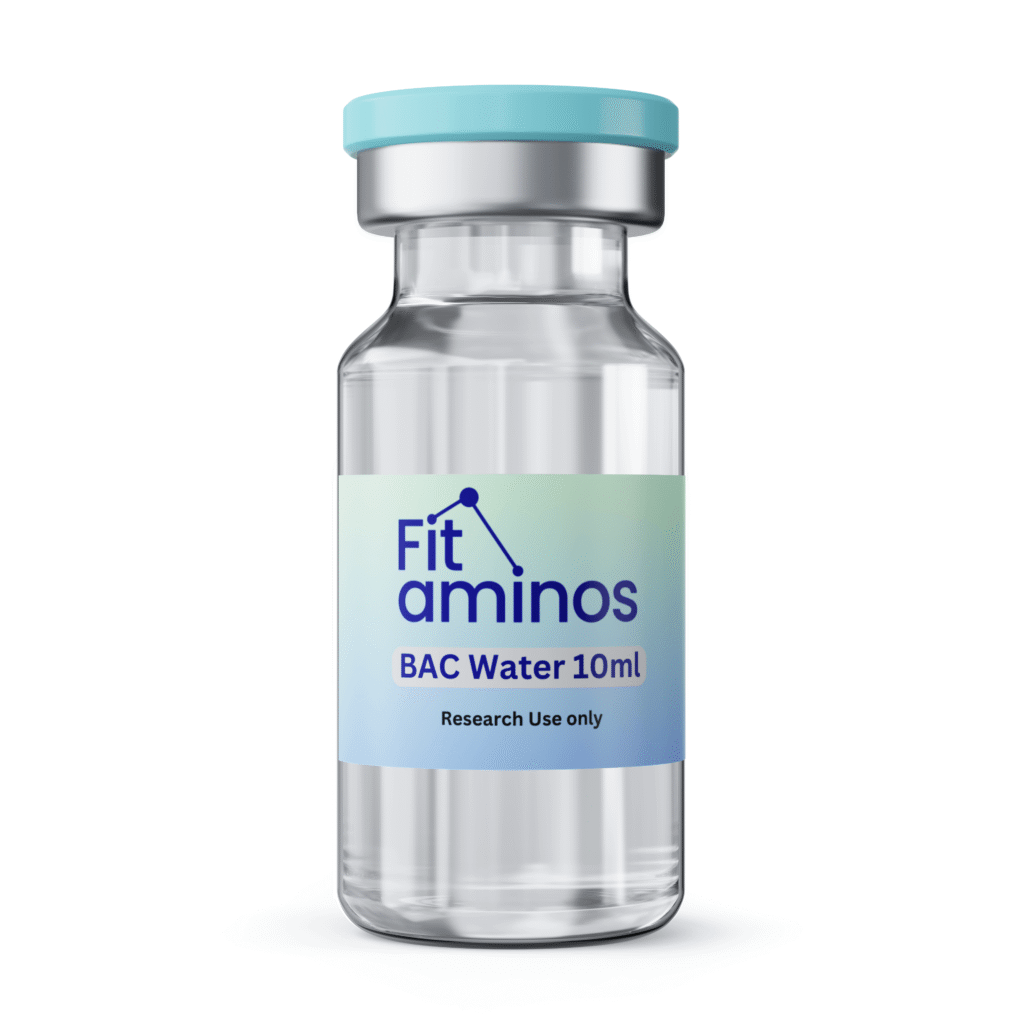
Bacteriostatic Water (10 mL bottles)
- 8 weeks: 3 mL → 1 bottle
- 12 weeks: 6 mL → 1 bottle
- 16 weeks: 12 mL → 2 bottles
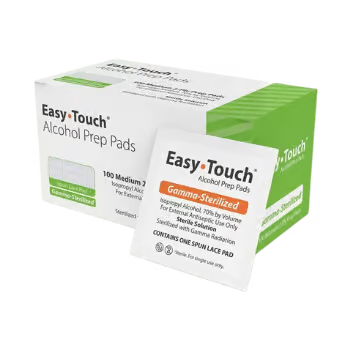
Alcohol Swabs
- 2 swabs per injection day
- 8 weeks: ~16 swabs
- 12 weeks: ~24 swabs
- 16 weeks: ~32 swabs
(One 100-count box is sufficient)
Protocol Overview
- Goal: Improve glycemic control, support weight loss, and enhance metabolic health
- Schedule: Once-weekly subcutaneous injection for 12–16+ weeks
- Dose Range: 2.5 mg to 15 mg weekly
- Reconstitution Ratio: 3.0 mL per 30 mg vial (10 mg/mL)
- Storage: Frozen before mixing; refrigerated after
Dosing Protocol
- Start: 2.5 mg once weekly (Weeks 1–4)
- Increase: Add 2.5 mg every 4 weeks as tolerated
- Maintenance: 5–15 mg weekly depending on response
- Consistency: Inject on the same day each week
- Timing: Any time of day, with or without food
- Injection Sites: Rotate between abdomen, thighs, and upper arms
Storage Instructions
Proper storage is essential to maintain peptide stability and integrity.
- Lyophilized (Unmixed): Store in a freezer at approximately −20°C (−4°F) for long-term preservation. If freezing is not available, refrigeration (2–8°C) is acceptable for shorter durations. Keep in a dry, dark environment away from moisture.
- After Reconstitution: Store the solution in a refrigerator at 2–8°C (35.6–46.4°F) at all times. Do not freeze once mixed.
- Shelf Life: Use within 28 days after reconstitution for optimal stability and reliability. Discard any remaining solution after this period.
Important Notes
Key considerations for consistency, handling, and research accuracy.
- Always use a new, sterile insulin syringe for each administration; do not reuse needles
- Follow proper aseptic technique: clean both the vial stopper and injection site with separate alcohol swabs and allow to dry fully
- Rotate injection sites (abdomen, thighs, upper arms) to reduce irritation and avoid tissue buildup
- Administer injections slowly and steadily, allowing a few seconds before withdrawing the needle
- Keep a record of dosing, timing, and injection sites to maintain consistency throughout the protocol
- Do not use the solution if it appears cloudy, discolored, or contains visible particles
- Store and handle peptides according to recommended conditions to preserve stability
How This Works
Tirzepatide activates both GLP-1 and GIP receptors, improving glucose metabolism through multiple pathways:
- Increases insulin secretion when glucose levels are elevated
- Suppresses glucagon release
- Slows gastric emptying to reduce post-meal glucose spikes
- Enhances satiety and reduces caloric intake
The addition of GIP receptor activity provides enhanced metabolic effects, contributing to greater weight loss and improved outcomes compared to GLP-1–only therapies.
Potential Benefits & Considerations
Benefits
- Significant reduction in HbA1c levels
- Effective weight loss
- Improved lipid profile and blood pressure
- Better appetite regulation
Possible Side Effects
- Nausea, diarrhea, vomiting, or constipation (typically temporary)
- Mild injection-site irritation
- Side effects are generally dose-dependent and improve over time
Lifestyle Factors
- Maintain a balanced, nutrient-rich diet to support gastrointestinal function and overall metabolic processes
- Ensure adequate hydration, as fluid balance plays a role in digestive and absorption pathways
- Prioritize sleep quality, which supports systemic regulation and recovery processes
- Manage stress levels, as stress can influence gut-related signaling and hormone balance
- Incorporate light physical activity to support circulation and general metabolic health
- Avoid highly processed foods when focusing on gut-related research models
Injection Technique
General guidance for subcutaneous administration:
- Clean the vial stopper and injection area with alcohol and allow to dry
- Gently pinch the skin and insert the needle at a 45–90° angle
- Inject slowly and steadily without aspirating
- Hold the needle in place for a few seconds before removing
- Rotate injection sites (abdomen, thighs, upper arms) to reduce irritation
Recommended Source
We recommend Fit Aminos for high-purity research peptide products.
Why Fit Aminos?
- High-purity, lab-tested peptide batches with quality verification.
- Consistent handling and preparation processes designed to support reliable research protocols.
- Transparent sourcing and dependable fulfillment for research-grade compounds.
Important Note
This content is intended for educational and research purposes only and does not constitute medical advice, diagnosis, or treatment. GLP-2T (10mg-30mg) remains an investigational peptide with limited human clinical data. For research use only. Not for human consumption.
References
PubMed— Glucagon-like peptide 2 (GLP-2), an intestinotrophic mediator…
StatPearls (NCBI Bookshelf) — Farzam K, Patel P. Tirzepatide. StatPearls Publishing; 2024. Comprehensive overview of pharmacology, dosing, and clinical use.
Frontiers in Endocrinology
— Gallwitz B. GIP/GLP-1 receptor agonist Tirzepatide for type 2 diabetes and obesity. Front Endocrinol. 2022;13:1004044.
The Lancet
— Frias JP, et al. Efficacy and safety of LY3298176 (Tirzepatide), a novel dual GIP and GLP-1 receptor agonist, in patients with type 2 diabetes (Phase 2 trial). Lancet. 2018;392(10160):2180-2193.
New England Journal of Medicine
— Jastreboff AM, et al. Tirzepatide once weekly for the treatment of obesity. N Engl J Med. 2022;387(3):205-216.