
Retatrutide (GLP-3R) 10mg Dosage Protocol
Contents
- Quickstart Highlights
- Dosing & Reconstitution Guide
- Standard / Gradual Approach (1 mL ≈ 10 mg/mL)
- Reconstitution Steps
- Supplies Needed
- Protocol Overview
- Dosing Protocol
- Storage Instructions
- Important Notes
- How This Works
- Potential Benefits & Side Effects
- Lifestyle Factors
- Injection Technique
- Recommended Source
- Important Note
- References
Quickstart Highlights
Retatrutide is an investigational triple-receptor agonist peptide targeting GLP-1, GIP, and glucagon receptors, under development for obesity and type 2 diabetes.
- Phase 2 trials have shown remarkable weight-loss efficacy, with participants losing up to 24% of body weight at 48 weeks on higher doses.
- This protocol provides an educational framework for once-weekly subcutaneous administration with gradual titration to reduce gastrointestinal side effects.
Preparation & Storage:
- Reconstitute with 1.0 mL bacteriostatic water → ~10 mg/mL
- Dose range: 2–8 mg weekly (gradual escalation over 8–12 weeks)
- Measurement: 1 unit (U-100 syringe) = 0.01 mL ≈ 100 mcg
- Lyophilized: Freeze at −20 °C (−4 °F)
- Reconstituted: Refrigerate at 2–8 °C (35.6–46.4 °F) for up to 4 weeks
Dosing & Reconstitution Guide
Educational guide for reconstitution and daily dosing
Standard / Gradual Approach (1 mL ≈ 10 mg/mL)
| Phase | Weekly Dose | Units (per injection) (mL) |
|---|---|---|
| Weeks 1–4 | 2 mg | 20 units (0.20 mL) |
| Weeks 5–8 | 4 mg | 40 units (0.40 mL) |
| Weeks 9–12 | 6 mg | 60 units (0.60 mL) |
| Weeks 13+ | 8 mg | 80 units (0.80 mL) |
Frequency:
- Volumes >1.0 mL should be split into 2 injections at separate sites for optimal absorption
Reconstitution Steps
- Draw 1.0 mL bacteriostatic water using a sterile syringe
- Inject slowly along the vial wall; avoid foaming
- Gently swirl or roll until fully dissolved (do not shake)
- Label with preparation date
- Refrigerate at 2–8 °C, protected from light
- Use within 4 weeks
Important: This guide is for educational purposes only and is not medical advice. For research use only. Not for human consumption.
Advanced / Aggressive Protocol (1 mL ≈ 10 mg/mL)
| Phase | Weekly Dose | Units (per injection) (mL) |
|---|---|---|
| Weeks 1–4 | 2 mg | 20 units (0.20 mL) |
| Weeks 5–8 | 4 mg | 40 units (0.40 mL) |
| Weeks 9–12 | 8 mg | 80 units (0.80 mL) |
| Weeks 13+ | 12 mg | 120 units (1.20 mL) |
*The 12 mg dose (highest tested in Phase 2) requires combining 2 vials, drawing 1.2 mL total, and splitting into 2 subcutaneous injections. Gradual titration is critical to reduce gastrointestinal side effects.
Note: This protocol is for educational purposes only. Retatrutide is not FDA-approved and should only be used in research settings following trial protocols.
Supplies Needed
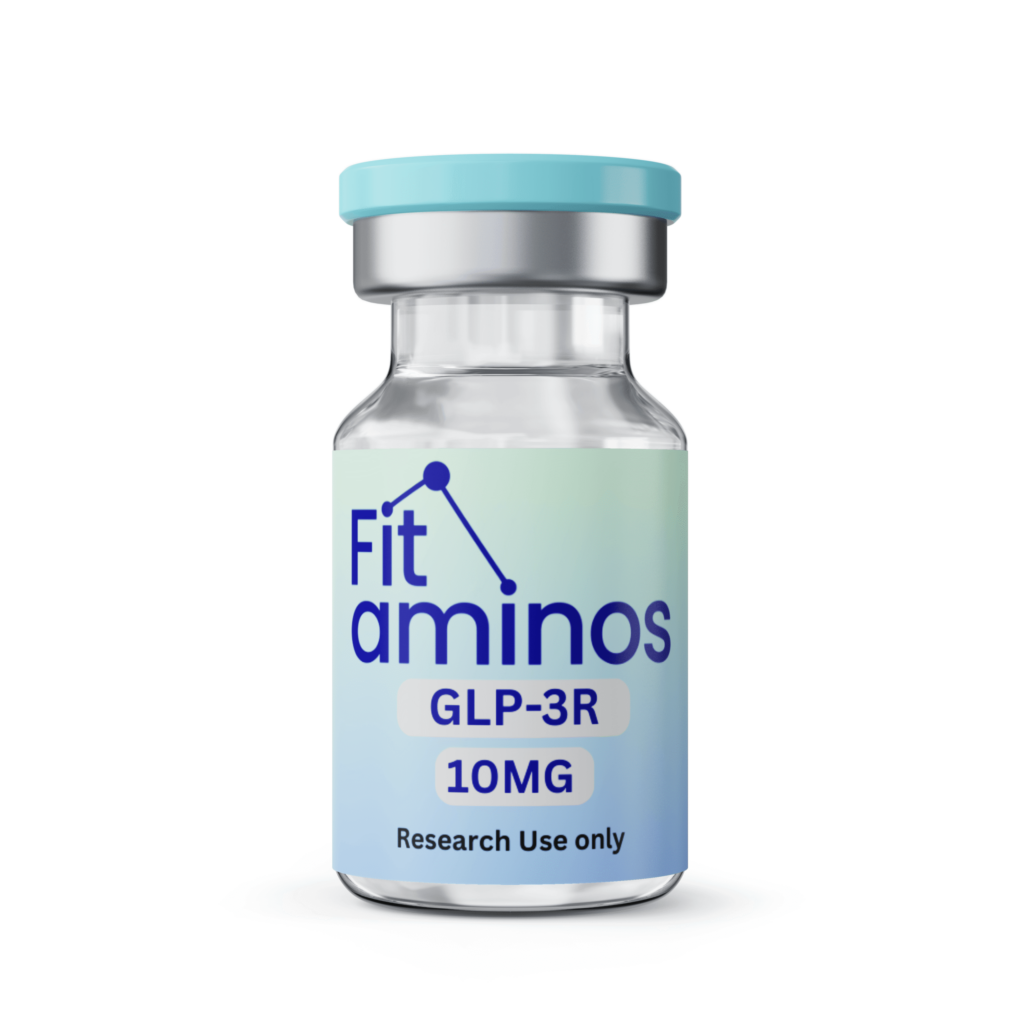
- Retatrutide vials (10 mg each)
- 12-week standard (up to 6 mg): 5 vials
- 24-week standard (up to 8 mg): 15 vials
- 12-week aggressive (up to 8 mg): 6 vials
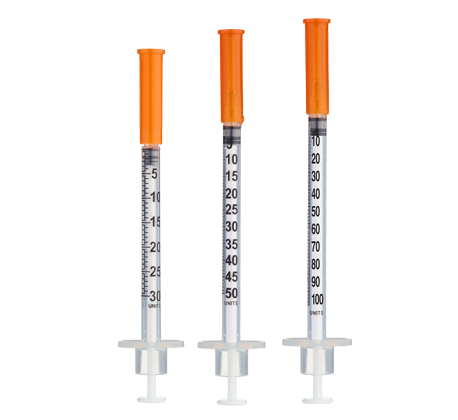
- U-100 Insulin Syringes (1 mL)
- 1–2 syringes per week depending on dose
- 12-week: 12–24 syringes
- 24-week: 24–48 syringes
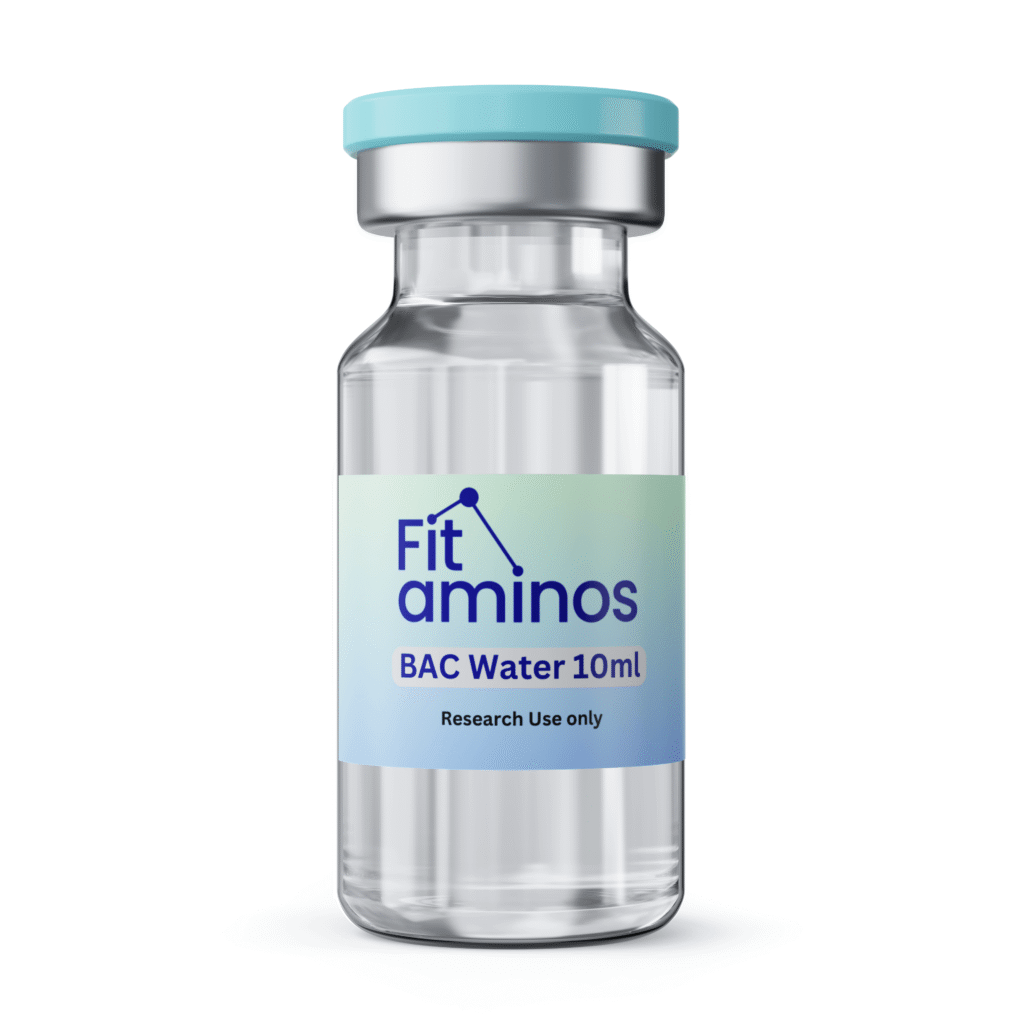
- Bacteriostatic Water (10 mL bottles)
- 1 mL per vial for reconstitution
- 12-week: 5 mL → 1 bottle
- 24-week: 15 mL → 2 bottles
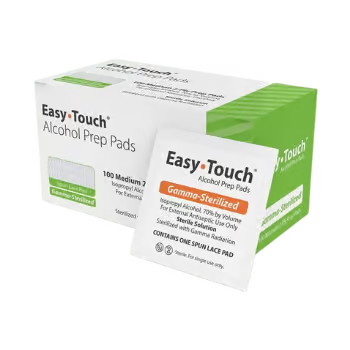
- Alcohol Swabs
- 1 per vial + 1–2 per injection site
- 12-week: ~50 swabs → 1 × 100-count box
- 24-week: ~100 swabs → 1 × 100-count box
Protocol Overview
- Goal: Achieve substantial weight loss and metabolic improvements through triple-receptor activation
- Schedule: Weekly subcutaneous injections for 12–48 weeks
- Dose Range: 2–12 mg weekly with 4-week titration steps
- Reconstitution: 1 mL per 10 mg vial (~10 mg/mL)
- Storage: Frozen lyophilized at −20 °C; reconstituted refrigerated for 4 weeks
Dosing Protocol
- Start: 2 mg weekly for 4 weeks
- Escalation: Increase by 2–4 mg every 4 weeks as tolerated
- Target Dose:
- Standard: 6–8 mg weekly
- Advanced: 12 mg weekly
- Frequency: Same day each week
- Cycle Length: Minimum 24 weeks; trials extended to 48 weeks
- Timing: Consistent day/time; rotate injection sites
Storage Instructions
Proper storage is essential to maintain peptide stability and integrity.
- Lyophilized (Unmixed): Store in a freezer at approximately −20°C (−4°F) for long-term preservation. If freezing is not available, refrigeration (2–8°C) is acceptable for shorter durations. Keep in a dry, dark environment away from moisture.
- After Reconstitution: Store the solution in a refrigerator at 2–8°C (35.6–46.4°F) at all times. Do not freeze once mixed.
- Shelf Life: Use within 28 days after reconstitution for optimal stability and reliability. Discard any remaining solution after this period.
Important Notes
Key considerations for consistency, handling, and research accuracy.
- Always use a new, sterile insulin syringe for each administration; do not reuse needles
- Follow proper aseptic technique: clean both the vial stopper and injection site with separate alcohol swabs and allow to dry fully
- Rotate injection sites (abdomen, thighs, upper arms) to reduce irritation and avoid tissue buildup
- Administer injections slowly and steadily, allowing a few seconds before withdrawing the needle
- Keep a record of dosing, timing, and injection sites to maintain consistency throughout the protocol
- Do not use the solution if it appears cloudy, discolored, or contains visible particles
- Store and handle peptides according to recommended conditions to preserve stability
How This Works
Retatrutide activates GLP-1, GIP, and glucagon receptors:
- GLP-1 & GIP: Enhance glucose-dependent insulin secretion, suppress appetite
- Glucagon: Increases metabolic rate, promotes energy expenditure, and enhances fat burning
- Extended Half-Life (~6 days): Supports once-weekly dosing
- Overall Effect: Reduced calorie intake, increased satiety, enhanced lipid oxidation, and improved glycemic control
Potential Benefits & Considerations
Benefits
- Weight Loss: 22–24% body weight reduction at 48 weeks (8–12 mg doses)
- Glycemic Control: HbA1c reduction of 1.3–2.0% in T2DM patients; ~82% reached HbA1c ≤6.5%
- Cardiometabolic: Lower BP, LDL cholesterol, waist circumference, liver fat; >80% hepatic steatosis resolution
- Universal Response: 100% achieved ≥5% weight loss on high doses
Side Effects
- Mild-to-moderate GI symptoms: nausea, vomiting, diarrhea during dose escalation
- Dose-dependent and transient
- No severe hypoglycemia or serious treatment-related adverse events
- Safety profile comparable to GLP-1 agonists when properly titrated
Lifestyle Factors
- Follow a balanced diet to support metabolic and endocrine pathways
- Maintain proper hydration for optimal physiological function
- Prioritize sleep and recovery to support hormonal balance
- Engage in regular physical activity to complement metabolic research models
- Manage stress levels, as stress can impact hormone signaling
- Avoid excessive processed foods when focusing on metabolic studies
Injection Technique
General guidance for subcutaneous administration:
- Clean the vial stopper and injection area with alcohol and allow to dry
- Gently pinch the skin and insert the needle at a 45–90° angle
- Inject slowly and steadily without aspirating
- Hold the needle in place for a few seconds before removing
- Rotate injection sites (abdomen, thighs, upper arms) to reduce irritation
Recommended Source
We recommend Fit Aminos for high-purity research peptide products.
Why Fit Aminos?
- High-purity, lab-tested peptide batches with quality verification.
- Consistent handling and preparation processes designed to support reliable research protocols.
- Transparent sourcing and dependable fulfillment for research-grade compounds.
Important Note
This content is intended for educational and research purposes only and does not constitute medical advice, diagnosis, or treatment. Retatrutide remains an investigational peptide with limited human clinical data. For research use only. Not for human consumption.
References
The Lancet (2023)
— Rosenstock J, et al. Retatrutide for type 2 diabetes: Phase 2 trial results (36-week study, HbA1c reductions, weight loss)
New England Journal of Medicine (2023)
— Jastreboff AM, et al. Triple-hormone-receptor agonist Retatrutide for obesity: Phase 2 trial (48-week study, up to 24% weight loss)
American Diabetes Association (2023)
— ADA Press Release: Novel agent Retatrutide results in substantial weight reduction (83rd Scientific Sessions, Phase 2 data)
ADA Meeting News (2023)
— Phase 2 trial results: benefits of Retatrutide in obesity, type 2 diabetes, NASH (83rd ADA Scientific Sessions coverage)
ClinicalTrials.gov
— Study of Retatrutide (LY3437943) in adults with obesity (NCT04881760; protocol details, dosing regimens)