Cagrilintide (10 mg Vial) Dosage Protocol
Contents
- Quickstart Highlights
- Dosing & Reconstitution Guide
- Standard / Gradual Approach (3 mL = ~3.33 mg/mL)
- Reconstitution Steps
- Supplies Needed
- Protocol Overview
- Dosing Protocol
- Storage Instructions
- Important Notes
- How This Works
- Potential Benefits & Side Effects
- Lifestyle Factors
- Injection Technique
- Recommended Source
- Important Note
- References
Quickstart Highlights
Cagrilintide is a long-acting, modified version of the natural hormone amylin, formulated for once-weekly subcutaneous use. It works by activating amylin receptors in the brain, helping to increase feelings of fullness, slow down stomach emptying, and reduce overall food intake. Clinical studies have shown that it can lead to dose-dependent weight loss, with most side effects being mild and related to digestion.
- Reconstitution: Add 3.0 mL of bacteriostatic water to achieve a concentration of approximately 3.33 mg/mL
- Typical Weekly Dose: 0.6–4.5 mg once per week, gradually increased over 4–6 weeks
- Measurement Guide: At this concentration, 1 unit (0.01 mL) equals about 0.033 mg (33.3 mcg) using a U-100 insulin syringe
- Storage: Keep the lyophilized vial frozen at −20°C (−4°F). After mixing, store in the refrigerator (2–8°C) and use within 30 days
Dosing & Reconstitution Guide
Educational guide for reconstitution and daily dosing
Standard / Gradual Approach (3 mL = ~3.33 mg/mL)
| Week / Phase | Weekly Dose (mg) | Units (per injection) | Volume (mL) |
|---|---|---|---|
| Phase 1 | 0.6 mg | 12 units | 0.12 mL |
| Phase 2 | 1.2 mg | 24 units | 0.24 mL |
| Phase 3 | 2.4 mg | 48 units | 0.48 mL |
| Phase 4 (Maintenance) | 4.5 mg | 90 units | .9 mL |
Note: When taking with Semaglutide or Tirzepatide, you want to start at half the typical starting dose.
Start at 300 mcg (6 Units) and slowly increase your your dose.
Reconstitution Steps
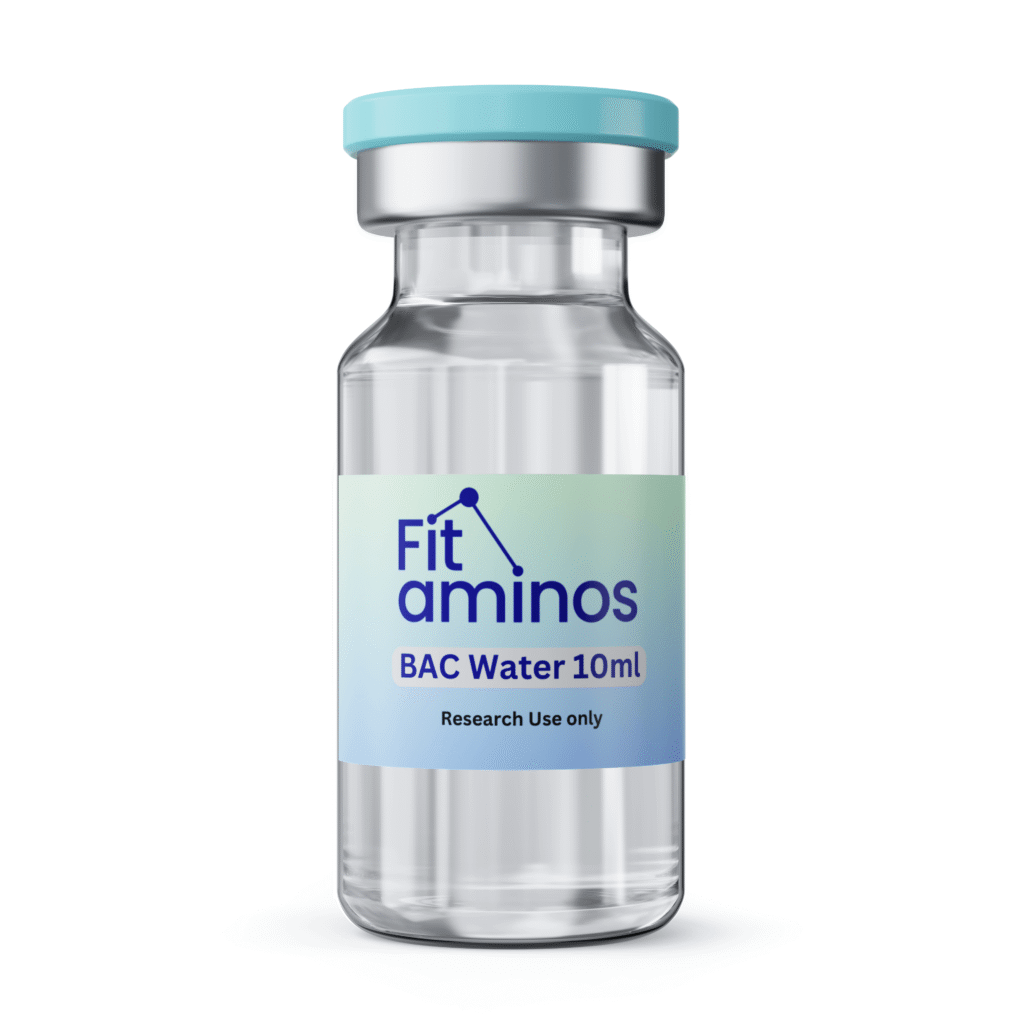
Using a sterile syringe, draw up 2.0 mL of bacteriostatic water
Slowly inject the solution along the inner wall of the vial to minimize bubbling
Gently rotate or swirl the vial until the contents are fully dissolved — avoid shaking
Clearly label the vial with the date and final concentration, then store in the refrigerator at 2–8 °C (35.6–46.4 °F), away from light
Use within 30 days after mixing; discard if the solution appears cloudy or contains particles
Important: This guide is for educational purposes only and is not medical advice. For research use only. Not for human consumption.
Supplies Needed
This plan is based on an 8–16 week protocol with once-weekly administration and gradual dose escalation.
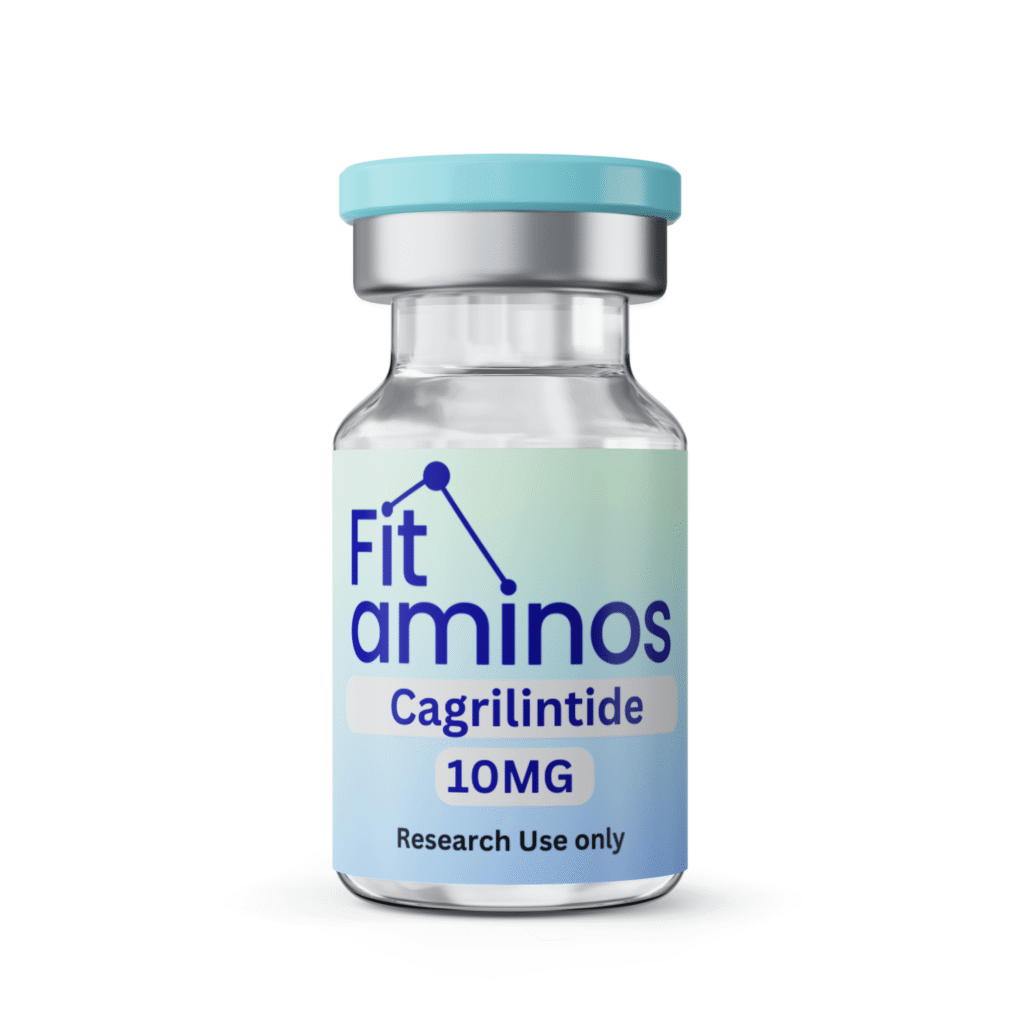
Peptide Vials (Cagrilintide – 10 mg each):
• 8 weeks: ~2 vials (~17.4 mg total required)
• 12 weeks: ~4 vials (~35.4 mg total required)
• 16 weeks: ~6 vials (~53.4 mg total required)
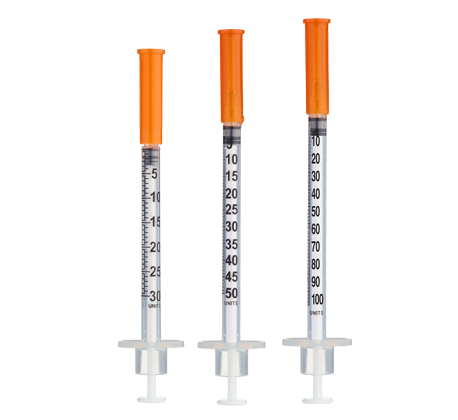
Syringes:
• U-100 insulin syringes provide accurate dosing
• Usage: 1 syringe per week
• 8 weeks: 8 syringes
• 12 weeks: 12 syringes
• 16 weeks: 16 syringes
Bacteriostatic Water (10 mL bottles):
Each vial requires 2.0 mL for reconstitution
• 8 weeks (2 vials): 4 mL → 1 × 10 mL bottle
• 12 weeks (4 vials): 8 mL → 1 × 10 mL bottles
• 16 weeks (6 vials): 12 mL → 2 × 10 mL bottles
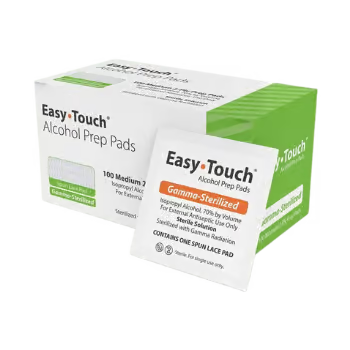
Alcohol Swabs:
Use one swab for the vial stopper and one for the injection site per administration
• Per week: 2 swabs
• 8 weeks: 16 swabs
• 12 weeks: 24 swabs
• 16 weeks: 32 swabs → 1 × 100-count box recommended
Protocol Overview
A simplified outline of the once-weekly research approach.
- Goal: Support research into appetite control, reduced caloric intake, and long-term weight regulation pathways.
- Schedule: Administer via subcutaneous injection once per week for approximately 12–16 weeks (or longer depending on study design).
- Dose Range: Typically 0.6–4.5 mg per week, with gradual increases to assess response and tolerability.
- Reconstitution: Add 2.0 mL bacteriostatic water to a 10 mg vial to achieve an approximate concentration of 2.5 mg/mL for easier measurement.
- Storage: Store lyophilized product frozen; once reconstituted, keep refrigerated and avoid repeated freeze–thaw cycles.
Dosing Protocol
Example of a gradual weekly titration strategy:
- Starting Dose: Begin with 0.6 mg once weekly for the first 2 weeks
- Titration: Increase the dose every 2 weeks as tolerated (0.6 → 1.2 → 2.4 → 4.5 mg)
- Target Dose: Reach 4.5 mg per week around Weeks 7–8, then maintain
- Frequency: One subcutaneous injection per week
- Timing: Administer on the same day each week at a consistent time; rotate injection sites regularly
Storage Instructions
Maintaining proper storage conditions is essential for stability.
- Lyophilized: Keep at −20 °C (−4 °F) in a dry, light-protected environment
- After Reconstitution: Store at 2–8 °C (35.6–46.4 °F) and use within 30 days
Avoid repeated freeze–thaw cycles
Allow the vial to reach room temperature before opening to reduce moisture buildup
Important Notes
Key considerations for consistency and safe handling:
- Always use a new sterile syringe for each injection and dispose of it in a proper sharps container
- Rotate injection sites (abdomen, thighs, upper arms) to minimize irritation
- Gradual dose increases may help reduce common effects such as nausea during early stages
- Keep a record of weekly dosing, injection sites, and any observed responses
- For doses exceeding 1.0 mL, use a 3 mL syringe to ensure accurate administration
How This Works
Cagrilintide is a long-acting analog of the hormone amylin, which plays a role in appetite regulation and metabolic signaling. Amylin is naturally released alongside insulin and contributes to feelings of fullness after eating.
In research settings, Cagrilintide is studied for its ability to reduce appetite, slow gastric emptying, and influence energy intake. Its modified structure allows for an extended duration of action, making it suitable for once-weekly administration protocols.
Potential Benefits & Side Effects
Insights from research and clinical observations:
Potential Benefits
- Supports appetite regulation and satiety signaling
- May assist in reducing overall caloric intake
- Studied for its role in weight management and metabolic balance
- Long-acting profile allows less frequent administration
Possible Side Effects
- Mild gastrointestinal responses such as nausea or discomfort (especially during early use)
- Temporary changes in appetite
- Occasional redness or irritation at the injection site
Note: Responses may vary depending on study conditions and dosage levels. Long-term data is still being evaluated.
Lifestyle Factors
Supporting variables that may improve research consistency:
- Maintain a balanced, nutrient-dense diet aligned with study goals
- Combine resistance and cardiovascular activity where applicable
- Ensure adequate sleep and recovery
- Stay properly hydrated, especially during early adjustment phases
Injection Technique
General guidance for subcutaneous administration:
- Clean the vial stopper and injection area with alcohol and allow to dry
- Gently pinch the skin and insert the needle at a 45–90° angle
- Inject slowly and steadily without aspirating
- Hold the needle in place for a few seconds before removing
- Rotate injection sites (abdomen, thighs, upper arms) to reduce irritation
Recommended Source
We recommend Fit Aminos for high-purity Cagrilintide – 10mg
research peptide products.
Why Fit Aminos?
- High-purity, lab-tested peptide batches with quality verification.
- Consistent handling and preparation processes designed to support reliable research protocols.
- Transparent sourcing and dependable fulfillment for research-grade compounds.
Shop Cagrilintide – 10mg at Fit Aminos
Important Note
This content is intended for educational and research purposes only and does not constitute medical advice, diagnosis, or treatment. Cagrilintide – 10mg remains an investigational peptide with limited human clinical data. For research use only. Not for human consumption.
References
The Lancet (2021) – Once‑weekly Cagrilintide for weight management: phase 2 dose‑finding trial (Lau et al.). This study evaluated different weekly doses and reported efficacy and tolerability in adults with overweight or obesity.
Int J Mol Sci (2024) – Amylin, another important neuroendocrine hormone for treatment of diabesity. This article discusses the role of amylin in regulating metabolism and energy balance.
PMC (2022) – Mediators of amylin action in metabolic control. Provides insights into the molecular mechanisms by which amylin analogs like Cagrilintide affect metabolic pathways.
The Lancet (2021) – Cagrilintide phase 2 trial: 10.8% weight loss at 4.5 mg dose over 26 weeks. Reports significant weight reduction at the highest tested dose with manageable side effects.
N Engl J Med (2025) – REDEFINE 1: Coadministered Cagrilintide and Semaglutide in adults with overweight or obesity. Shows combined therapy achieves greater weight loss than either agent alone.