
BPC-157 (10mg Vial) Dosage Protocol
Contents
- Quickstart Highlights
- Dosing & Reconstitution Guide
- Standard / Gradual Approach (2 mL = ~5 mg/mL)
- Reconstitution Steps
- Supplies Needed
- Protocol Overview
- Dosing Protocol
- Storage Instructions
- Important Notes
- How This Works
- Potential Benefits & Side Effects
- Lifestyle Factors
- Injection Technique
- Recommended Source
- Important Note
- References
Quickstart Highlights
BPC-157 (Body Protection Compound-157) is a synthetic 15-amino-acid peptide derived from a gastric protein sequence studied for tissue-healing and cytoprotective properties[1][2]. Preclinical models demonstrate accelerated wound repair and anti-inflammatory activity[3], though human clinical data remain limited to early-phase safety trials and small case reports[4][5]. This educational protocol presents a once-daily subcutaneous approach using a practical dilution for clear insulin-syringe measurements.
- Reconstitute: Add 2.0 mL bacteriostatic water → 5 mg/mL concentration.
- Typical daily range: 500mcg–750 mcg once or twice daily
- Easy measuring: At 5 mg/mL, 1 unit = 0.01 mL ≈ 50 mcg on a U-100 insulin syringe.
- Storage: Lyophilized: freeze at −20 °C (−4 °F); after reconstitution, refrigerate at 2–8 °C (35.6–46.4 °F); avoid freeze–thaw cycles.
Dosing & Reconstitution Guide
Educational guide for reconstitution and daily dosing
Standard / Gradual Approach (2 mL = 5 mg/mL)
| Protocol | Dose (mcg) / Units | Frequency |
|---|---|---|
| Starting | 500 mcg (10 Units) | Daily or 5x/week |
| Standard | 750 mcg (15 Units) | Daily or 5x/week |
| Advanced | 500 mcg (10 Units) | 2x Daily |
Reconstitution Steps
- Draw 2.0 mL bacteriostatic water with a sterile syringe.
- Inject slowly down the vial wall; avoid foaming.
- Gently swirl/roll until dissolved (do not shake).
- Label and refrigerate at 2–8 °C (35.6–46.4 °F), protected from light.
Important: This guide is for educational purposes only and is not medical advice. For research use only. Not for human consumption.
Supplies Needed
Plan based on an 8–16 week daily protocol with gradual titration.
- Peptide Vials (BPC-157, 10 mg each):
- 8 weeks ≈ 3 vials (25.2 mg used)
- 12 weeks ≈ 5 vials (42 mg used)
- 16 weeks ≈ 6 vials (58.8 mg used)
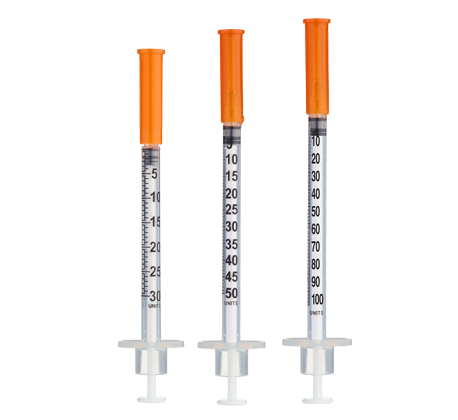
- Insulin Syringes (U-100):
- Per week: 7 syringes (1/day)
- 8 weeks: 56 syringes
- 12 weeks: 84 syringes
- 16 weeks: 112 syringes
- Bacteriostatic Water (10 mL bottles): Use ~2.0 mL per vial for reconstitution.
- 8 weeks (3 vials): 6 mL → 1 × 10 mL bottle
- 12 weeks (5 vials): 10 mL → 1× 10 mL bottles
- 16 weeks (6 vials): 12 mL → 2 × 10 mL bottles
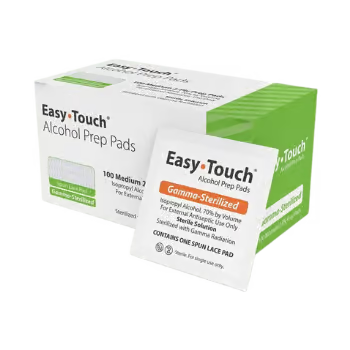
- Alcohol Swabs: One for the vial stopper + one for the injection site each day.
- Per week: 14 swabs (2/day)
- 8 weeks: 112 swabs → recommend 2 × 100-count boxes
- 12 weeks: 168 swabs → recommend 2 × 100-count boxes
- 16 weeks: 224 swabs → recommend 3 × 100-count boxes


Protocol Overview
Concise summary of the once-daily regimen.
- Goal: Support tissue-healing and recovery processes based on preclinical evidence[1][3].
- Schedule: Daily subcutaneous injections for 8–12 weeks (extend to 16 weeks if desired).
- Dose Range: 200–600 mcg daily with gradual titration.
- Reconstitution: 2.0 mL per 10 mg vial (5 mg/mL) for accurate unit measurements.
- Storage: Lyophilized frozen; reconstituted refrigerated; avoid repeated freeze–thaw.
Dosing Protocol
Suggested daily titration approach.
- Start: 200 mcg daily; increase by ~200 mcg every 2 weeks as tolerated.
- Target: 400–600 mcg daily by Weeks 5–8+.
- Frequency: Once per day (subcutaneous).
- Cycle Length: 8–12 weeks; optional extension to 16 weeks.
- Timing: Any consistent time; rotate injection sites.
Storage Instructions
Proper storage preserves peptide quality.
- Lyophilized: Store at −20 °C (−4 °F) in dry, dark conditions; minimize moisture exposure.
- Reconstituted: Refrigerate at 2–8 °C (35.6–46.4 °F); prepare aliquots if needed and avoid freeze–thaw.
- Allow vials to reach room temperature before opening to reduce condensation uptake.
Important Notes
Practical considerations for consistency and safety.
- Use new sterile insulin syringes for each injection; dispose in a sharps container[7].
- Rotate injection sites (abdomen, thighs, upper arms) to reduce local irritation[8].
- Inject slowly; wait a few seconds before withdrawing the needle.
- Document daily dose and site rotation to maintain consistency.
- BPC-157 human data are preliminary; clinical decisions should involve qualified healthcare providers.
How This Works
BPC-157 is a synthetic peptide corresponding to a partial sequence of human gastric juice protein[2]. Preclinical studies suggest it modulates nitric oxide pathways and growth-factor expression to promote angiogenesis and collagen deposition in damaged tissues[1][3]. Animal models report accelerated healing of gut, tendon, ligament, and muscle injuries[6]. A Phase I oral safety trial has been completed[9], and a small human case series reported improvements following intra-articular administration[5]; however, large-scale controlled human efficacy data are not yet available.
Potential Benefits & Side Effects
Observations from preclinical and early clinical literature.
- Supports tissue repair in gut, tendon, muscle, and skin injury models (animal data)[1][3].
- Demonstrates anti-inflammatory and cytoprotective properties in preclinical settings[6].
- Phase I safety studies report good tolerability with no serious adverse events at tested doses[9].
- Occasional mild injection-site reactions (redness, itch) may occur with subcutaneous administration.
- Long-term human safety and efficacy remain under investigation[4].
Lifestyle Factors
Complementary strategies for best outcomes.
- Support recovery with adequate protein intake and micronutrient-rich foods.
- Balance activity and rest to allow tissue adaptation without overuse.
- Prioritize sleep and stress management to enhance natural healing processes.
- Consult qualified healthcare providers for injury-specific rehabilitation guidance.
Injection Technique
General subcutaneous guidance from clinical best-practice resources[10][11].
- Clean the vial stopper and skin with alcohol; allow to dry.
- Pinch a skinfold; insert the needle at 45–90° into subcutaneous tissue[10].
- Do not aspirate for subcutaneous injections; inject slowly and steadily[10].
- Rotate sites systematically (abdomen, thighs, upper arms) to avoid lipohypertrophy[8].
- Discard used syringes immediately in a sharps container per WHO guidelines[7].
Recommended Source
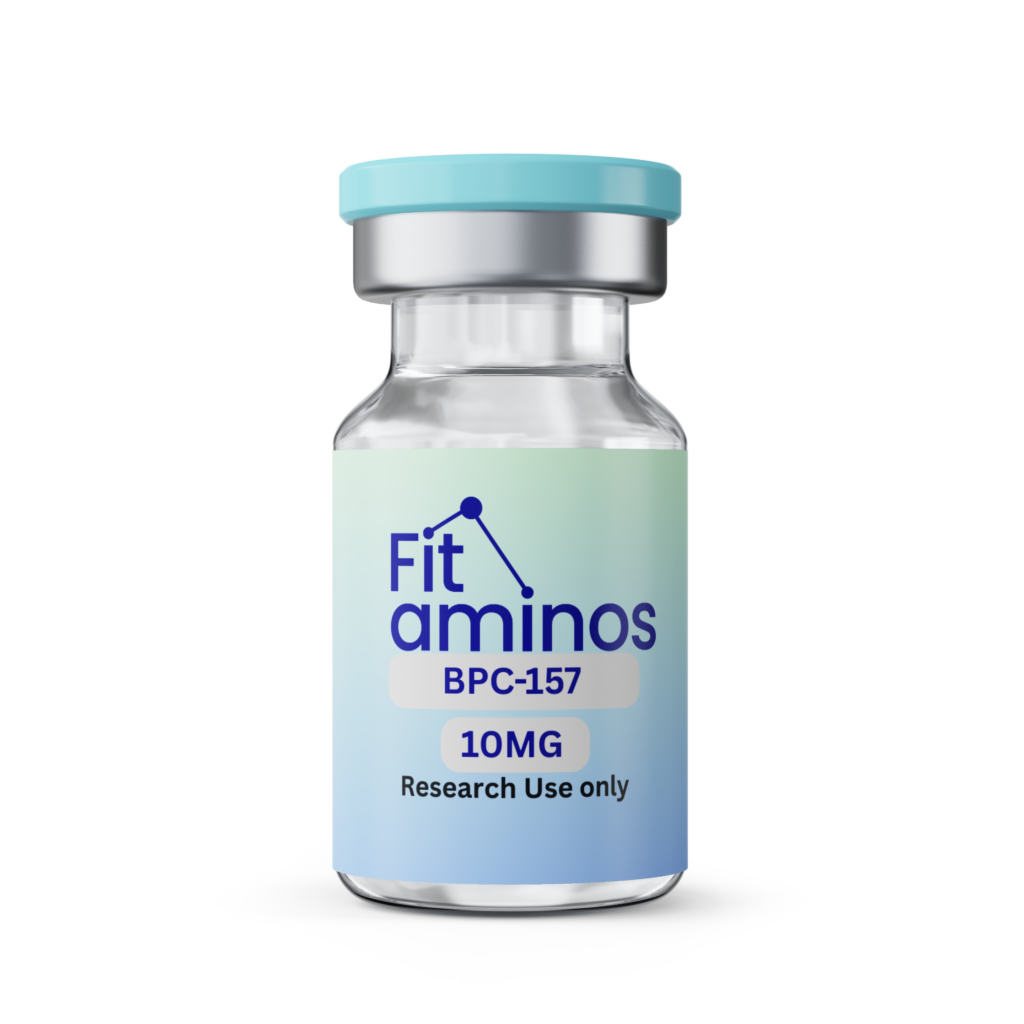
We recommend Fit Aminos for high-purity BPC-157 (10 mg).
Why Fit Aminos?
- High-purity, third-party-tested lots with batch COAs.
- Consistent, ISO-aligned handling and documentation.
- Reliable fulfillment to maintain cold-chain integrity.
Important Note
This content is for educational purposes only and is not medical advice, diagnosis, or treatment. BPC-157 remains investigational with limited human clinical data. For research use only. Not for human consumption.
References
Journal of Pharmacological Sciences
— Klicek R et al. BPC-157 promotes colocutaneous fistula healing via NO-system modulation (rat model)
Pharmaceuticals (MDPI)
— Józwiak M et al. Multifunctionality and possible medical application of BPC-157: literature and patent review (2025)
Current Pharmaceutical Design (PMC)
— Sikiric P et al. BPC-157 stable gastric pentadecapeptide: novel therapy for wound healing and tissue repair
Life Sciences
— Seiwerth S et al. BPC-157 and standard angiogenic growth factors: gastrointestinal tract healing and beyond
HSS Journal (PubMed)
— Vasireddi N et al. Emerging use of BPC-157 in orthopaedic sports medicine: systematic review (2025)