Tirzepatide (GLP-2T) 10mg – Dosage Protocol
Contents
- Quickstart Highlights
- Dosing & Reconstitution Guide
- Standard / Gradual Approach (2 mL = 5.0 mg/mL)
- Reconstitution Steps
- Supplies Needed
- Protocol Overview
- Dosing Protocol
- Storage Instructions
- Important Notes
- How This Works
- Potential Benefits & Side Effects
- Lifestyle Factors
- Injection Technique
- Recommended Source
- Important Note
- References
Quickstart Highlights
Tirzepatide is a 39–amino acid dual incretin receptor agonist that targets both GLP-1 and GIP receptors. This dual-action mechanism enhances glucose-dependent insulin release, reduces glucagon secretion, slows gastric emptying, and helps regulate appetite.
Because of its extended half-life of approximately 5 days, Tirzepatide supports a convenient once-weekly subcutaneous dosing schedule. Clinical research has shown that it can provide greater improvements in blood sugar control and weight reduction compared to traditional GLP-1–only therapies.
- Reconstitution: Add 2.0 mL bacteriostatic water to achieve a concentration of 5 mg/mL
- Typical Dose Range: 2.5 mg to 15 mg once weekly (with gradual titration)
- Measurement Guide:
- 1 unit (U-100 syringe) = 0.01 mL = 50 mcg
- Storage:
- Lyophilized (dry): Store at −20°C (−4°F)
- Reconstituted: Refrigerate at 2–8°C (35.6–46.4°F)
- Use within 28 days after mixing
Dosing & Reconstitution Guide
Educational guide for reconstitution and daily dosing
Standard / Gradual Approach (2 mL = 5.0 mg/mL)
| Phase | Weekly Dose (mg) | Units (per injection) (mL) |
|---|---|---|
| Weeks 1–4 | 2.5 mg | 50 units (0.50 mL) × 1 injection |
| Weeks 5–8 | 5 mg | 100 units (1.0 mL) × 1 injection |
| Weeks 9–12 | 7.5 mg | 75 units (0.75 mL) × 2 injections |
| Weeks 13–16 | 10 mg | 100 units (1.0 mL) × 2 injections |
Administer via subcutaneous injection once weekly on a consistent day each week. If a dose requires multiple injections, they should be given consecutively at different injection sites to reduce local irritation.
Dose escalation is typically performed every 4 weeks to improve tolerability and minimize gastrointestinal side effects. If well tolerated and clinically appropriate, the dosage may be increased further to 12.5–15 mg per week in later stages.
Reconstitution Steps
- Draw 2.0 mL bacteriostatic water using a sterile syringe
- Inject slowly along the vial wall to prevent foaming
- Gently swirl or roll until fully dissolved (do not shake)
- Label the vial with the date
- Store refrigerated and protected from light
- Use within 28 days
Important: This guide is for educational purposes only and is not medical advice. For research use only. Not for human consumption.
Supplies Needed
This plan is based on an 8–16 week protocol with gradual dose titration and once-weekly administration.
Tirzepatide Vials (10 mg each)
- 8 weeks (2.5 → 5 mg/week): ~30 mg total → approximately 3 vials
- 12 weeks (2.5 → 7.5 mg/week): ~60 mg total → approximately 6 vials
- 16 weeks (2.5 → 10 mg/week): ~100 mg total → approximately 10 vials
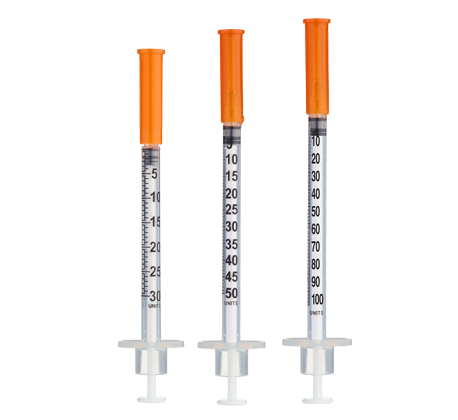
Insulin Syringes (U-100, 1 mL)
- 8 weeks: 8 syringes (1 per week)
- 12 weeks: 16 syringes (~1.3 per week average)
- 16 weeks: 24 syringes (~1.5 per week average)
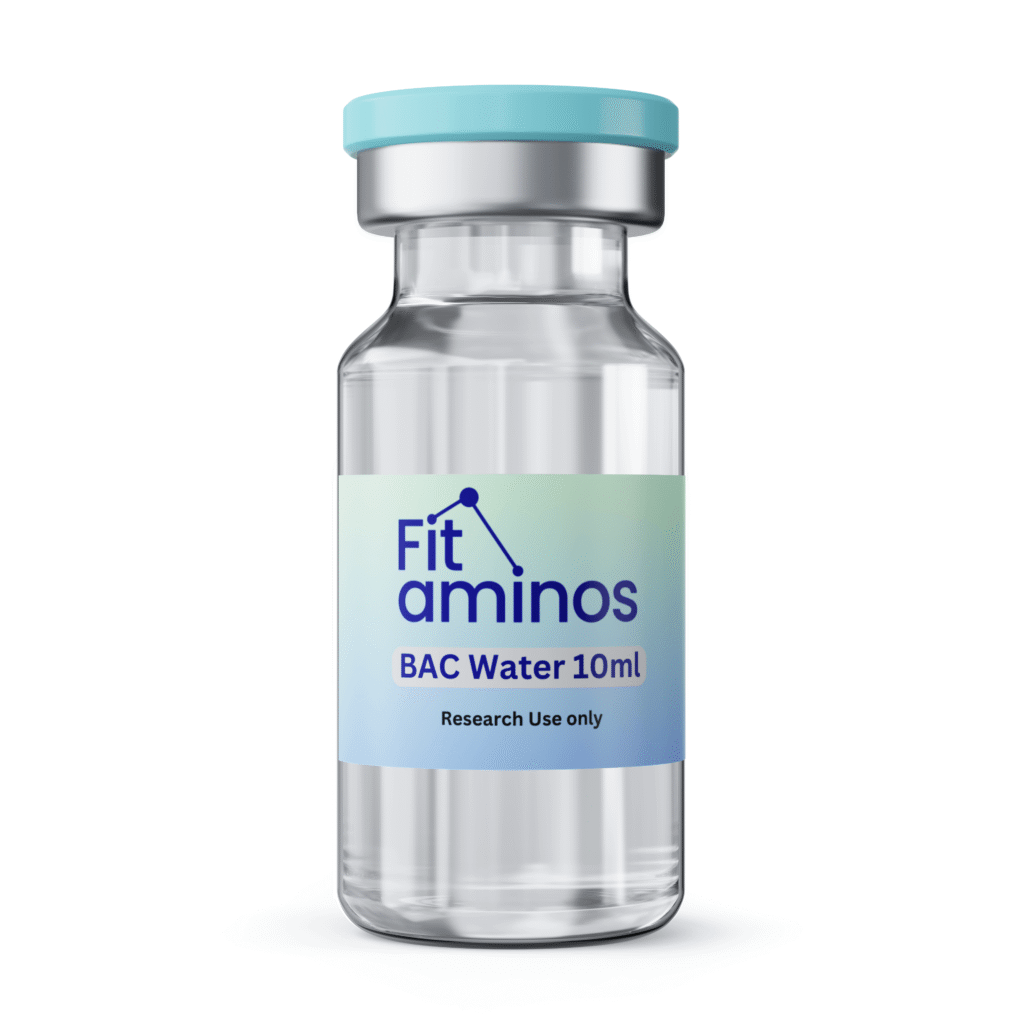
Bacteriostatic Water (10 mL Bottles)
Use 2.0 mL per vial for proper reconstitution.
- 8 weeks (3 vials): 6 mL total → 1 bottle (10 mL)
- 12 weeks (6 vials): 12 mL total → 2 bottles (10 mL each)
- 16 weeks (10 vials): 20 mL total → 2 bottles (10 mL each)
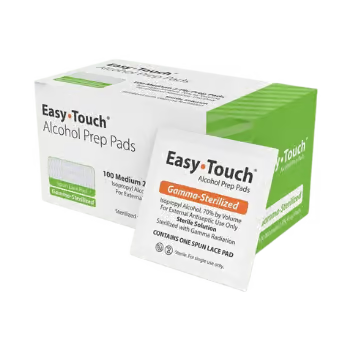
Alcohol Swabs
Use one swab for the vial stopper and one for the injection site per administration.
- Weekly usage: 2 swabs (for one injection day)
- 8 weeks: 16 swabs → recommend 1 × 100-count box
- 12 weeks: 24 swabs → recommend 1 × 100-count box
- 16 weeks: 32 swabs → recommend 1 × 100-count box
Protocol Overview
This protocol outlines a once-weekly Tirzepatide regimen designed to support glycemic control, weight management, and overall metabolic health through dual incretin receptor activation.
- Goal: Enhance blood sugar regulation and promote sustainable weight loss by targeting both GLP-1 and GIP pathways
- Schedule: Subcutaneous injection administered once weekly on the same day for a duration of 12–16+ weeks
- Dose Range: Typically 2.5 mg to 15 mg per week, with gradual dose increases every 4 weeks
- Reconstitution: Add 2.0 mL bacteriostatic water to a 10 mg vial to achieve a concentration of 5.0 mg/mL, allowing for manageable injection volumes
- Storage:
- Lyophilized (unmixed): Store frozen
- Reconstituted: Refrigerate and use within 28 days
Dosing Protocol
A gradual titration approach is recommended to improve tolerability and reduce side effects.
- Initiation Phase:
Begin with 2.5 mg once weekly for the first 4 weeks - Dose Escalation:
Increase the dose by 2.5 mg every 4 weeks, depending on individual response and tolerance - Maintenance Range:
Continue within a range of 5 mg to 15 mg weekly, based on effectiveness and tolerability - Frequency:
Administer once per week via subcutaneous injection, maintaining consistency with the same day each week - Timing:
Can be taken at any time of day, with or without food - Injection Practice:
Rotate injection sites (abdomen, thighs, or upper arms) to minimize irritation and ensure proper absorption
Storage Instructions
- Dry powder: Keep frozen at −20°C in a dark, dry place
- After mixing: Store in refrigerator (2–8°C)
- Do not freeze once reconstituted
- Allow vial to reach room temperature before opening
- Avoid moisture exposure and repeated temperature changes
Important Notes
Key considerations for consistency, handling, and research accuracy.
- Always use a new, sterile insulin syringe for each administration; do not reuse needles
- Follow proper aseptic technique: clean both the vial stopper and injection site with separate alcohol swabs and allow to dry fully
- Rotate injection sites (abdomen, thighs, upper arms) to reduce irritation and avoid tissue buildup
- Administer injections slowly and steadily, allowing a few seconds before withdrawing the needle
- Keep a record of dosing, timing, and injection sites to maintain consistency throughout the protocol
- Do not use the solution if it appears cloudy, discolored, or contains visible particles
- Store and handle peptides according to recommended conditions to preserve stability
How This Works
Tirzepatide works by activating both GLP-1 and GIP receptors, which play key roles in glucose metabolism. This dual activation:
- Increases insulin release when glucose levels are high
- Decreases glucagon secretion
- Slows digestion to reduce post-meal glucose spikes
- Promotes a feeling of fullness, reducing food intake
The addition of GIP receptor activity enhances metabolic effects beyond traditional GLP-1 therapies, contributing to improved weight loss and glycemic outcomes.
Potential Benefits & Considerations
Potential Benefits
- Significant reduction in HbA1c levels
- Noticeable weight loss
- Improved cholesterol and blood pressure markers
- Better appetite control
Possible Side Effects
- Nausea, diarrhea, constipation, or vomiting (usually temporary)
- Mild injection-site irritation
- Symptoms are typically dose-related and improve over time
Lifestyle Factors
- Maintain a balanced, nutrient-rich diet to support gastrointestinal function and overall metabolic processes
- Ensure adequate hydration, as fluid balance plays a role in digestive and absorption pathways
- Prioritize sleep quality, which supports systemic regulation and recovery processes
- Manage stress levels, as stress can influence gut-related signaling and hormone balance
- Incorporate light physical activity to support circulation and general metabolic health
- Avoid highly processed foods when focusing on gut-related research models
Injection Technique
General guidance for subcutaneous administration:
- Clean the vial stopper and injection area with alcohol and allow to dry
- Gently pinch the skin and insert the needle at a 45–90° angle
- Inject slowly and steadily without aspirating
- Hold the needle in place for a few seconds before removing
- Rotate injection sites (abdomen, thighs, upper arms) to reduce irritation
Recommended Source
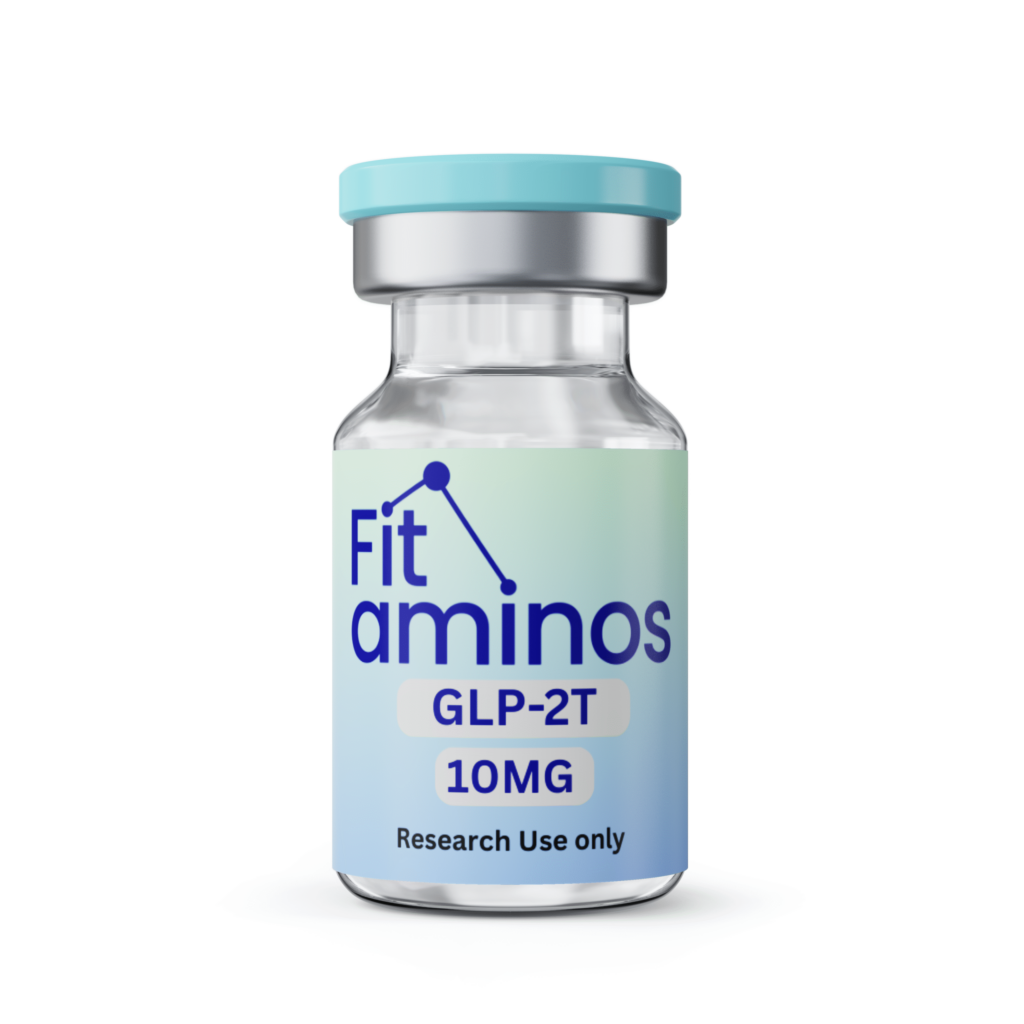
We recommend Fit Aminos for high-purity research peptide products.
Why Fit Aminos?
- High-purity, lab-tested peptide batches with quality verification.
- Consistent handling and preparation processes designed to support reliable research protocols.
- Transparent sourcing and dependable fulfillment for research-grade compounds.
Important Note
This content is intended for educational and research purposes only and does not constitute medical advice, diagnosis, or treatment. GLP-2T (10mg-30mg) remains an investigational peptide with limited human clinical data. For research use only. Not for human consumption.
References
PubMed— Glucagon-like peptide 2 (GLP-2), an intestinotrophic mediator…
StatPearls (NCBI Bookshelf) — Farzam K, Patel P. Tirzepatide. StatPearls Publishing; 2024. Comprehensive overview of pharmacology, dosing, and clinical use.
Frontiers in Endocrinology
— Gallwitz B. GIP/GLP-1 receptor agonist Tirzepatide for type 2 diabetes and obesity. Front Endocrinol. 2022;13:1004044.
The Lancet
— Frias JP, et al. Efficacy and safety of LY3298176 (Tirzepatide), a novel dual GIP and GLP-1 receptor agonist, in patients with type 2 diabetes (Phase 2 trial). Lancet. 2018;392(10160):2180-2193.
New England Journal of Medicine
— Jastreboff AM, et al. Tirzepatide once weekly for the treatment of obesity. N Engl J Med. 2022;387(3):205-216.