

Before you even think about buying anything, define your goal clearly. Are you looking for fat loss, muscle growth, anti-aging, or medical treatment?
Different peptides serve different purposes:
- Some are approved medications
- Some are experimental
- Some are outright restricted
For example, drugs like Semaglutide are prescribed for weight management and diabetes, while others like BPC-157 are not approved for human use in many countries.
If you don’t know exactly what you’re targeting, you’re already setting yourself up to make a bad decision.
Check the Legal Status in Your Country
Here’s where most people mess up they assume what works in one country applies everywhere. It doesn’t.
In countries like United States, United Kingdom, and Australia
- Approved peptides require a prescription
- Unapproved peptides cannot legally be marketed for human use
In Pakistan, enforcement can be inconsistent, but that doesn’t mean everything is legal. Imported peptides, especially injectables, can still be flagged or confiscated.
Bottom line:
If it’s not approved or prescribed, you’re in a gray or illegal zone no matter how easy it looks online.
Consult a Qualified Medical Professional
This is non-negotiable if you’re serious.
A licensed doctor or endocrinologist can:
- Evaluate whether you even need peptides
- Recommend approved options
- Order proper lab tests
- Prescribe safe, regulated treatments
Skipping this step is exactly why people end up using the wrong compounds or dosages.
If your plan is “I’ll figure it out from Reddit,” you’re gambling with your health.
Get a Prescription
If your doctor determines a peptide is appropriate, they’ll prescribe it.
This typically applies to:
- Hormone-related peptides
- Metabolic treatments
- Certain anti-obesity drugs
Prescription-based access ensures:
- Correct dosage
- Pharmaceutical-grade quality
- Legal protection
Without a prescription, you’re relying on unverified sources.
Buy Only from Licensed Pharmacies
This is where you separate legitimate use from risky behavior.
Safe sources include:
- Registered pharmacies
- Licensed compounding pharmacies (where allowed)
These providers must follow strict standards for
- Sterility
- Dosage accuracy
- Ingredient quality
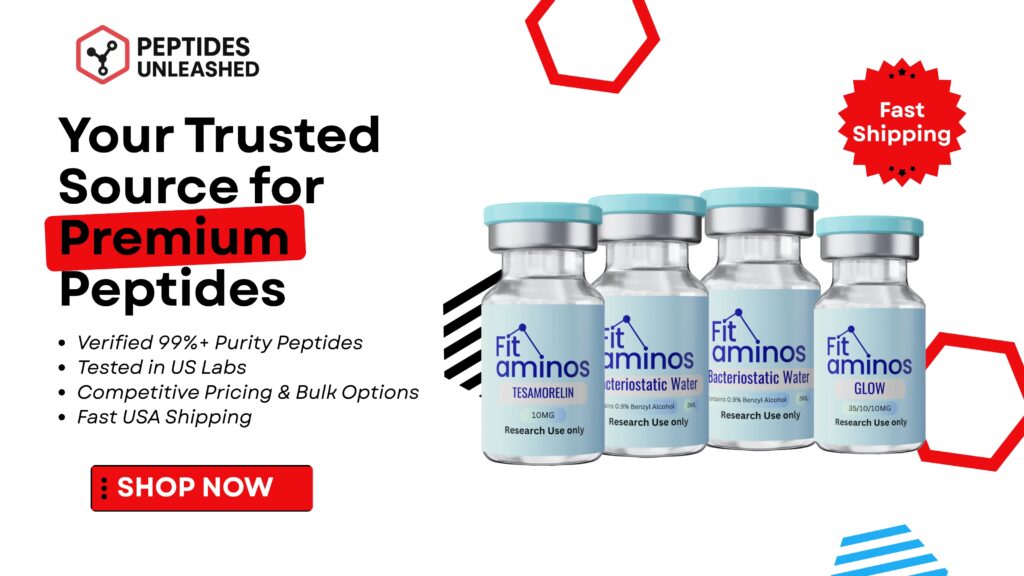
Avoid random websites selling “research peptides.” Those products:
- Are not approved for human use
- Often lack quality control
- May contain incorrect or contaminated substances
The label “for research purposes only” is not there to protect you it’s there to protect the seller.
Understand Proper Storage and Handling
Peptides are fragile. Even legitimate ones can become useless or dangerous if mishandled.
Most require:
- Refrigeration
- Protection from light
- Careful reconstitution (if in powder form)
Improper storage can degrade the peptide and make dosing unpredictable.
Follow Medical Guidance Strictly
Once you have a legitimate peptide, don’t freestyle the usage.
Stick to:
- Prescribed dosage
- Injection or administration method
- Duration of use
More is not better. Changing dosage without guidance increases the risk of side effects and complications.
Monitor Results and Side Effects
This is where discipline matters.
Track:
- Physical changes
- Side effects
- Lab results (if required)
Peptides can affect hormones, metabolism, and other systems. Regular monitoring ensures you’re not causing long-term harm.
What Most People Get Wrong
Let’s be blunt because this is where people ruin it for themselves.
They:
- Buy cheap peptides online
- Ignore legal status
- Self-inject without medical supervision
- Believe marketing claims blindly
That’s not “biohacking.” That’s reckless behavior.
If a product promises extreme results with zero regulation, that’s a red flag not an opportunity.
Can You Buy Peptides Without a Prescription?
Yes but that doesn’t mean you should.
You’ll find plenty of sites selling peptides labeled as:
- “Research chemicals”
- “Not for human consumption”
Legally, these are not meant for personal use. Practically, people still use them but that comes with:
- Legal ambiguity
- No safety guarantees
- High risk of fake or low-quality products
You’re on your own if something goes wrong.
Safer Alternatives to Consider
If your goal is performance, fat loss, or recovery, don’t jump straight to peptides.
Start with:
- Nutrition optimization
- Proper training
- Sleep and recovery
- Clinically approved treatments
Most people chasing peptides haven’t even optimized the basics.
FAQs
Do I need a prescription to get peptides?
For approved peptides, yes. That’s the only fully legal and safe route.
Are research peptides safe to use?
No. They are not approved for human use and lack reliable safety data.
Can I import peptides from another country?
You can try—but customs may seize them, especially if they’re classified as unapproved drugs.
What is the safest way to get peptides?
Through a licensed doctor and a registered pharmacy. Everything else involves risk.
Are peptides better than supplements?
Not automatically. Peptides are more powerful but also more regulated and riskier if misused.
Final Reality Check
If you’re looking for a shortcut, peptides aren’t it.
The safe path is slower and more controlled:
- Medical consultation
- Legal prescription
- Verified pharmacy
Anything outside that is a gamble.
And if you’re serious about results, you shouldn’t be gambling—you should be making calculated, informed decisions.
References
U.S. Food and Drug Administration. (2023). Compounding and the FDA: Questions and answers. Retrieved from https://www.fda.gov
World Health Organization. (2021). Substandard and falsified medical products. Retrieved from https://www.who.int
U.S. Food and Drug Administration. (2022). Human drug compounding. Retrieved from https://www.fda.gov/drugs
Australian Government Department of Health. (2023). Regulation of therapeutic goods. Retrieved from https://www.tga.gov.au
National Health Service (NHS). (2022). Prescription medicines. Retrieved from https://www.nhs.uk
