
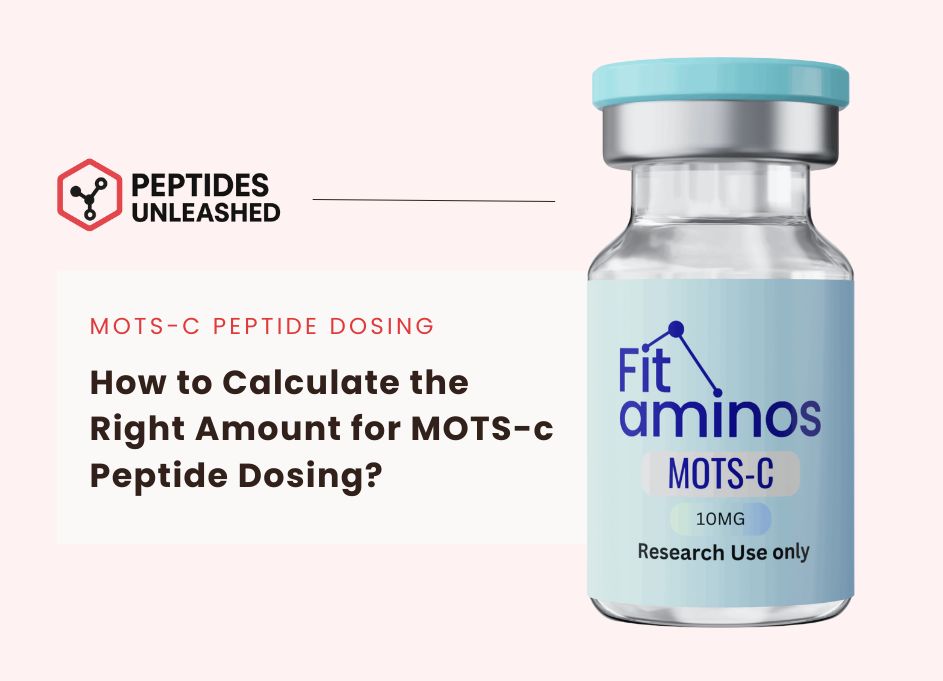
MOTS-c is gaining attention for its potential to optimize anti-aging, metabolic health, and muscle performance, making it particularly relevant alongside broader discussions of anti-aging peptide therapy for women over 40. As a recent mitochondrial derived peptide, MOTS-c plays a key role in supporting healthy aging and mitochondrial health by regulating metabolism, enhancing cellular energy, and promoting resilience against age-related decline.
What Is MOTS-c Peptide: A Mitochondrial Derived Peptide?
MOTS-c (mitochondrial open reading frame of the 12S rRNA-c) is a mitochondrial-derived peptide (MDP) that plays a central role in metabolic homeostasis, helping regulate glucose metabolism, fatty acid oxidation, and cellular stress response. MOTS-c is encoded within the mitochondrial DNA and mitochondrial genome, and is classified as a mitochondrial derived peptide (MDP) involved in energy metabolism. Unlike traditional peptides, MOTS-c directly influences cellular metabolism by enhancing glucose uptake, increasing fatty acid oxidation, and supporting mitochondrial function.
Metabolic Benefits
- Improved metabolic flexibility and insulin sensitivity
- Support for weight management and fat oxidation
- Potential anti-aging effects by reducing oxidative stress
Role in Fat Oxidation
- Enhanced endurance and muscle recovery in some studies
- May improve exercise capacity and overall physical performance, supporting greater stamina and energy utilization
- Shown in animal studies to help prevent weight gain and burn fat, even with high-fat diets, suggesting a role in obesity prevention
Impact on Insulin Sensitivity
- Supports the preservation of lean muscle mass during fat loss phases, aiding in achieving a leaner body composition
- Plays a role in regulating bone metabolism, which may benefit bone health and skeletal system balance
- Explored for its potential in performance enhancement, particularly for athletes and those seeking improved metabolic health
Given its biological potency, determining the correct dose is critical. Too little may be ineffective, while too much could increase side effects or reduce efficacy.
Mechanism of Action: How MOTS-c Works
MOTS-c is a unique mitochondrial-derived peptide that acts as a powerful regulator of metabolic homeostasis at the cellular level. Its primary mechanism involves activating AMP-activated protein kinase (AMPK), a master regulator of cellular energy. When AMPK is activated, it signals the body to enhance glucose uptake, increase fatty acid oxidation, and improve insulin sensitivity—key processes for maintaining optimal metabolic health.
What sets MOTS-c apart is its ability to inhibit the folate cycle, leading to the accumulation of AICAR, an AMP analog. This triggers AMPK activation, which shifts the cell’s energy management toward more efficient fuel use. As a result, the body burns more fat, reduces unnecessary glucose production (gluconeogenesis), and boosts mitochondrial respiration, all of which contribute to better energy production and metabolic flexibility.
By supporting these metabolic pathways, MOTS-c not only helps improve insulin sensitivity but also promotes healthy aging by reducing oxidative stress and supporting mitochondrial function. This makes MOTS-c a promising tool for those looking to enhance their metabolic health, support glucose metabolism, and maintain cellular resilience as they age.
Understanding how MOTS-c works at the cellular level helps inform safe and effective dosing strategies, which we will cover next.
Understanding MOTS-c Peptide Dosing: Units and Forms
MOTS-c is typically supplied as a lyophilized powder (freeze-dried) to be reconstituted with bacteriostatic water. Dosage is commonly measured in micrograms (mcg) per day.
Key points about dosing units:
- 1 mg = 1000 mcg
- Typical MOTS-c dosing ranges between 2–10 mcg per Pound of body weight, depending on research or clinical protocol.
- Dosage can vary based on goals: metabolic support, anti-aging, or athletic performance.
MOTS-c is not considered effective as an oral supplement due to degradation by digestive enzymes.
Some peptide suppliers provide pre-mixed vials with specific concentrations, but understanding how to calculate your dose ensures precise administration. You can use our peptide calculator to help you calculate your correct dosage.
MOTS-c dosing is often part of broader peptide therapies and specialized mots c therapy protocols, similar to structured regimens used with CJC-1295 peptide for growth hormone support. These approaches may be combined with hormone optimization strategies to support comprehensive metabolic health, energy, and longevity. Integrating MOTS-c with other peptide therapies and hormone optimization can enhance overall results within a holistic health or regenerative medicine plan, especially as outlined in recent discussions of peptide therapy in 2025 and the latest clinical research.
Common Research Dosing Protocols for MOTS-c
The typical dose of MOTS-c is 5–15 mg per week, split into 2–3 injections. Beginners often start with a dose of 5 mg per week and adjust based on response and tolerance. Injection frequency is typically 2–3 times weekly. MOTS-c cycles usually last from 2 to 4 weeks, followed by a break of 2 to 4 weeks. Most protocols run for 4-12 weeks, with some individuals benefiting from ongoing use or periodic cycles. However, there is no official clinical dosage for MOTS-c as it is an experimental peptide not approved by regulatory bodies, and information regarding specific dosages and administration methods for human use is not established or recommended.
Transitioning from research protocols, let’s look at how to calculate your individual MOTS-c dosage.
How to Calculate MOTS-c Peptide Dosage
There is no official clinical dosage for MOTS-c as it is an experimental peptide not approved by regulatory bodies. All dosing protocols are based on limited research and should be considered investigational. MOTS-c is typically administered as a subcutaneous injection.
Here’s a step-by-step guide to calculating the right MOTS-c dose:
Step 1: Determine Your Weight-Based Dose
Most studies and clinical protocols use a weight-based approach. For example, a safe starting dose may be 5 mcg per pound of body weight per day.
Example calculation:
- Body weight: 140 lbs
- Daily dose: 5 mcg × 140 lbs = 700 mcg per day
Step 2: Calculate Per Injection Dose
MOTS-c is often injected subcutaneously once or twice daily. Divide the total daily dose by the number of injections.
Example:
- Total daily dose: 700 mcg
- Twice-daily injections: 700 mcg ÷ 2 = 350 mcg per injection
Step 3: Reconstitute the Peptide Vial
Lyophilized MOTS-c powder must be mixed with bacteriostatic water to create an injectable solution.
Example:
- Vial contains 5 mg (5000 mcg) MOTS-c
- Add 1 mL bacteriostatic water
- Concentration: 5000 mcg ÷ 1 mL = 5000 mcg/mL
- For 350 mcg per injection: 350 mcg ÷ 5000 mcg/mL = 0.07 mL or 7 units per injection
Always use an insulin syringe for precise measurement.
Now that you know how to calculate your dose, let’s see how these calculations translate into practical dosing examples.
Sample MOTS-c Peptide Dosing Table
| Body Weight (pounds) | Recommended Dose (mcg/day) | Once Daily Injection (mcg) | Twice Daily Injection (mcg) |
|---|---|---|---|
| 100 | 500 | 500 | 250 |
| 120 | 600 | 600 | 300 |
| 140 | 700 | 700 | 350 |
| 160 | 800 | 800 | 400 |
| 180 | 900 | 900 | 450 |
This table is a general guideline; always adjust under medical supervision.
With these practical examples in mind, let’s review some essential tips for safe and effective MOTS-c dosing.
Tips for MOTS-c Peptide Dosing
Common Dosing Tips
- Start Low, Titrate Slowly: Begin with the lower end of the dosing range and monitor your body’s response. Gradually increase if needed.
- Consistent Timing: For metabolic benefits, morning or pre-workout dosing may optimize energy utilization. Some users prefer splitting the daily dose into two injections for better absorption. Proper dosing and timing help support energy balance, enhance mitochondrial efficiency, and promote overall cellular health.
- Subcutaneous Injection Sites: Common sites include the abdomen, thigh, or back of the arm. Rotate injection sites to avoid tissue irritation.
- Storage and Stability:
- Keep lyophilised MOTS-c refrigerated (2–8°C)
- After reconstitution, store in the fridge and use within 21–28 days (depending on manufacturer instructions)
By following these tips, you can help ensure your MOTS-c therapy is both safe and effective. Next, let’s look at common mistakes to avoid as a beginner.
Beginner Mistakes to Avoid with MOTS-c Peptide Dosing
Mistakes to Avoid
- Not coordinating MOTS-c dosing with your training or nutrition plan. Since MOTS-c mimics the effects of exercise and caloric restriction, aligning your dosing schedule with periods of physical activity or dietary adjustments can help maximize its benefits for metabolic function and fat loss.
- Expecting rapid, dramatic changes similar to those seen with growth-promoting peptides like IGF-1. MOTS-c’s primary benefits are metabolic and endurance-based, so improvements in body composition and energy levels may be more gradual.
- Using MOTS-c continuously without cycling or neglecting hormonal support after a cycle, which can lead to diminished effects and potential side effects.
- Overlooking regular metabolic testing and body composition analysis. Tracking your progress with these tools allows you to fine-tune your MOTS-c peptide therapy and ensure you’re moving toward your goals.
By avoiding these common mistakes and working closely with a healthcare professional, you can harness the full potential of MOTS-c for metabolic health, improved body composition, and overall well-being.
Safety and Side Effects of MOTS-c Peptide Dosing
MOTS-c is generally well-tolerated at recommended doses, but potential side effects include:
- Mild irritation at the injection site
- Headache or dizziness (rare)
- Nausea or gastrointestinal discomfort
No long-term adverse effects have been reported in clinical trials at typical doses, but research is still limited. Most safety data comes from animal studies and early human clinical trials, and organizations like the Alzheimer’s Drug Discovery Foundation are supporting research into MOTS-c’s safety and efficacy. Always consult a healthcare professional before starting any peptide therapy.
Transitioning from safety considerations, let’s explore how to maximize MOTS-c’s benefits through lifestyle choices.
Pairing MOTS-c with Lifestyle for Maximum Benefit
MOTS-c works best when combined with healthy lifestyle practices and is also influenced by foundational hormones like testosterone, meaning that low testosterone can limit peptide effectiveness, as explored in depth in discussions of why peptides often fail when testosterone is low:
- Balanced diet: Adequate protein and micronutrients enhance peptide function.
- Exercise: Supports endurance and muscle recovery; pairing with resistance or aerobic training improves results.
- Sleep and stress management: Proper recovery supports mitochondrial function.
Combining MOTS-c with these healthy habits can help address metabolic syndrome, metabolic dysfunction, and other metabolic disorders. This approach supports increased glucose uptake, improves insulin sensitivity, and targets the underlying metabolic disturbances that contribute to these conditions.
With a holistic approach in mind, it’s also important to understand the legal and regulatory landscape for MOTS-c.
Legal Status and WADA Compliance
Before considering MOTS-c peptide therapy, it’s crucial to understand its legal status and compliance with athletic regulations. MOTS-c is currently classified as a research peptide and is not approved by the FDA for human consumption in the United States. This means it is intended strictly for research use only and should not be used for self-administration outside of clinical or research settings.
For athletes, it’s especially important to note that the World Anti-Doping Agency (WADA) has listed MOTS-c as a prohibited substance, banning its use both in- and out-of-competition. This restriction applies to all sports governed by WADA regulations, and using MOTS-c could result in disqualification or other penalties.
Because the legal landscape for research peptides like MOTS-c is constantly evolving, it’s essential to stay informed about current regulations and consult with your healthcare provider or anti-doping agency before starting any new peptide regimen. This will help you avoid potential legal or professional issues and ensure your approach to metabolic health remains compliant and responsible.
Conclusion
MOTS-c peptide therapy represents an exciting frontier in the pursuit of optimal metabolic health, enhanced insulin sensitivity, and healthy aging. As a mitochondrial-derived peptide, MOTS-c offers unique benefits by supporting mitochondrial function, improving metabolic regulation, and promoting cellular energy production. By understanding how MOTS-c works and steering clear of common dosing mistakes, individuals can unlock its full potential for metabolic flexibility and resilience.
However, it’s vital to remember that MOTS-c is still considered a research peptide, with evolving legal status and restrictions on human consumption. Always consult with a qualified healthcare professional before beginning MOTS-c peptide therapy, and ensure you follow their guidance on dosing, administration, and monitoring. With the right approach, MOTS-c may become a valuable tool in your journey toward better metabolic health, improved body composition, and long-term well-being. Stay informed, stay compliant, and prioritize your health every step of the way.