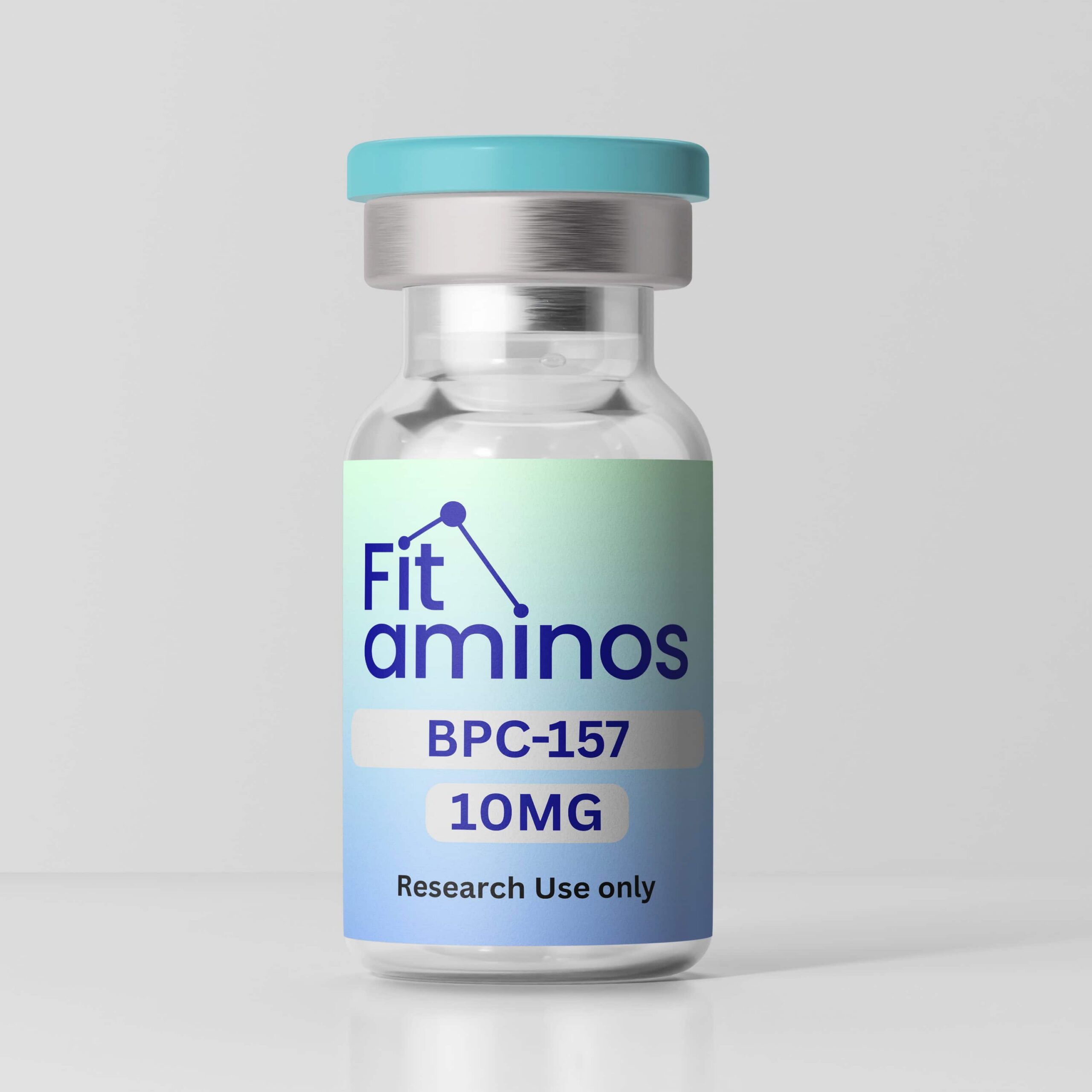
Peptide reconstitution is where most independent research workflows pick up — or lose — their dosing accuracy. The mechanics are simple: a lyophilized (freeze-dried) vial of peptide gets dissolved into a known volume of bacteriostatic water, which gives you a known concentration in mg/mL. From there, every subsequent dose calculation flows from that concentration. Get the reconstitution right, and every downstream measurement is reliable. Get it wrong, and your dose math is wrong from the first syringe forward.
For the diluent itself, see where to buy bacteriostatic water, which covers the pharmacy, marketplace and research-supplier routes.
This guide walks the protocol step by step — the supplies, the technique, the failure modes that ruin a vial, and the math that takes you from the reconstituted concentration to an exact syringe draw. It’s written for researchers, by the PeptidesUnleashed editorial team, and is for research use only.
TL;DR — Reconstitute Peptides in 6 Steps
- Inject bacteriostatic water slowly down the inside wall of the vial, then swirl gently for 60–90 seconds — never shake.
- Use a U-100 insulin syringe for measurement, and see how to read an insulin syringe plus which barrel size suits the draw. A 5 mg vial reconstituted with 1 mL bacteriostatic water = 5,000 mcg/mL, so 0.10 mL on the syringe (10 units) delivers 500 mcg. Our mg to units conversion chart has the figures worked out for the common vial and water combinations.
- Store the reconstituted solution at 2–8 °C (standard refrigerator) and use within ~28 days for most peptides. See how to store peptides for the powder, solution and diluent conditions, and how long bacteriostatic water lasts for where the 28 day figure comes from.
- Bacteriostatic water (0.9% benzyl alcohol) is the default solvent for most research peptides. Use sterile water only when the compound is incompatible with benzyl alcohol — verify per the vendor’s documentation.
- Disinfect the vial stopper with a fresh alcohol pad before every needle entry.
- Discard any vial that shows cloudiness, particulates, or color change — those signal degradation or contamination.
What Peptide Reconstitution Actually Does
Peptide reconstitution converts a freeze-dried (lyophilized) peptide powder back into a sterile injectable solution at a known concentration. Lyophilization is what lets a peptide ship and store stably; reconstitution is what makes it usable. The full workflow is: lyophilized vial → add bacteriostatic water → known concentration → measured syringe draw → research dose.
The mechanical step is short, but errors at this stage compromise everything downstream — dosing accuracy, sterility, peptide stability, and reproducibility of any research result. The most common failure modes (covered in the protocol below) are shaking instead of swirling, using the wrong solvent, miscalculating the resulting concentration, and contaminating the vial through poor stopper hygiene.
The 6-Step Reconstitution Workflow
Step 1 — Gather Supplies
- Sealed lyophilized peptide vial
- Bacteriostatic water (0.9% benzyl alcohol preserved)
- U-100 insulin syringes (for both reconstitution and dosing)
- Single-use alcohol swabs
- A clean, flat work surface
- Label / marker for the reconstituted vial
Step 2 — Disinfect Both Stoppers
Use a fresh alcohol pad on the bacteriostatic water vial stopper AND on the peptide vial stopper. Let both air-dry for at least 30 seconds before any needle entry. Skipping this step is the most common contamination vector in independent research workflows.
Step 3 — Draw the Bacteriostatic Water
Pick your reconstitution volume before you draw. The most common volumes are 1 mL, 2 mL, or 3 mL — the choice determines the final concentration in mg/mL. Smaller volume = higher concentration = smaller syringe draw per dose. Larger volume = lower concentration = easier to measure micro-doses precisely.
Use the peptide reconstitution calculator to preview the concentration and unit count before mixing — it’s faster than redoing the math after the fact. The companion pillar guide on peptide dosage math walks through the worked examples for the most common vial sizes.
Step 4 — Inject Slowly Down the Vial Wall
Insert the needle through the disinfected peptide-vial stopper at an angle. Direct the stream of bacteriostatic water against the inside glass wall of the vial — not at the lyophilized powder cake itself. Direct impact denatures peptide molecules at the surface of the cake and lowers final yield. This is one of the easiest preventable errors in the protocol.
Step 5 — Swirl, Don’t Shake
Hold the vial upright and rotate it gently for 60–90 seconds. The cake should dissolve cleanly without foaming. Shaking introduces shear forces that fragment longer peptide chains and aggregate shorter ones — both invisible to the eye but both real degradation. If the powder doesn’t fully dissolve after 90 seconds of swirling, give it five minutes at room temperature and swirl again; do not warm or shake to force dissolution.
Step 6 — Label and Refrigerate
Write directly on the vial label or add a stick-on tag: lot number, reconstitution date, BAC water volume, and the resulting concentration in mg/mL. Store at 2–8 °C. Most reconstituted research peptides have a 28-day window of usability when refrigerated; some compounds tolerate longer windows when frozen. Verify per-compound documentation for storage tolerances.
Reconstitution Math: From Vial to Syringe
Reconstitution gives you a known concentration; dosing translates that concentration into a syringe draw. The math is the same for every peptide:
Worked example, written out in plain English: a 5 mg vial reconstituted with 1 mL of bacteriostatic water = 5,000 mcg/mL. A target dose of 500 mcg ÷ 5,000 mcg/mL = 0.10 mL = 10 units on a U-100 insulin syringe. The peptide calculator handles all four steps in one screen.
Choosing Your Bacteriostatic Water Volume
This is the highest-leverage decision in the reconstitution workflow because it permanently sets the concentration for the life of the vial. A higher concentration (smaller BAC water volume) means a smaller syringe draw per dose — useful when total dose volumes are large. A lower concentration (larger BAC water volume) means easier precision for small micro-doses, but reduces shelf life slightly.
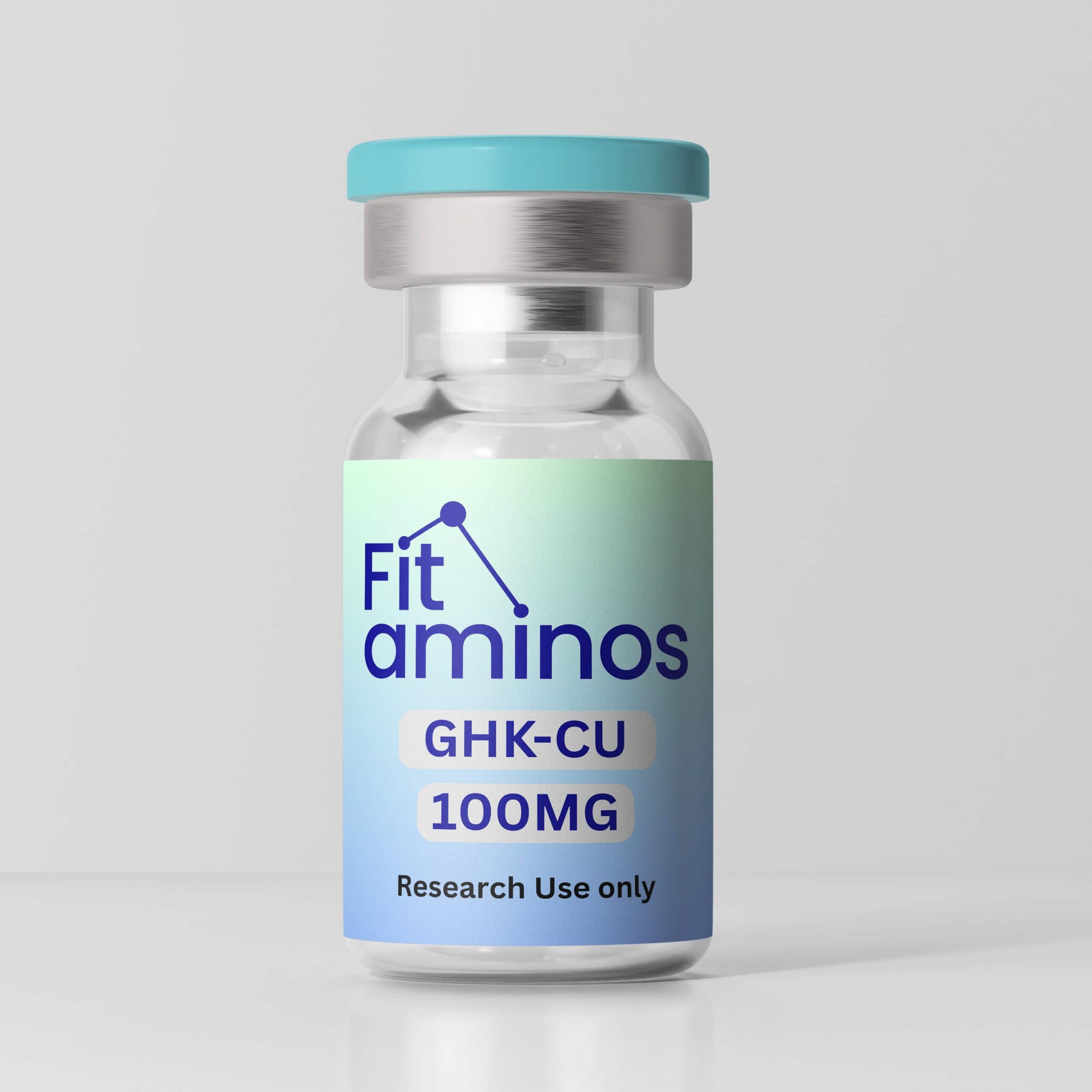
Most published protocols pick a BAC water volume that lands the typical dose between 5 and 25 units on a U-100 syringe. For a 10 mg vial dosed at 250 mcg, that’s:
- 1 mL BAC water → 10 mg/mL → 250 mcg = 2.5 units (hard to measure precisely)
- 2 mL BAC water → 5 mg/mL → 250 mcg = 5 units (good precision)
- 3 mL BAC water → 3.33 mg/mL → 250 mcg = 7.5 units (best precision)
Solvent Choice: Bacteriostatic vs. Sterile Water
Bacteriostatic water — sterile water containing 0.9% benzyl alcohol as a preservative — is the default solvent for most research peptides. The benzyl alcohol inhibits bacterial growth in the reconstituted vial, which is what gives you the ~28-day shelf life. Sterile water (no preservative) gives no antimicrobial protection; reconstituted vials using sterile water must be used immediately or discarded.
Use sterile water instead of bacteriostatic only when a specific peptide is documented as incompatible with benzyl alcohol. This is uncommon — most modern research peptides are stable in BAC water — but always verify per the vendor’s documentation.
Storage After Reconstitution
- Refrigerate at 2–8 °C. Standard household refrigerator temperatures. Don’t store in the door — temperatures fluctuate too much.
- Use within ~28 days. For most peptides reconstituted with bacteriostatic water. Some compounds tolerate longer windows; verify per vendor data.
- Avoid repeated freeze–thaw cycles. Each cycle degrades peptide stability. If you must freeze for long-term storage, aliquot the reconstituted solution into single-use portions before the first freeze.
- Keep away from light. Many peptides are photosensitive over long windows. The factory vial label is usually opaque enough; if you transfer to a new container, choose amber glass.
- Discard on visible change. Cloudiness, particulates, color shift, or precipitate all indicate degradation or contamination.
Common Reconstitution Errors That Ruin a Vial
- Shaking instead of swirling. Shear forces fragment longer peptides and aggregate shorter ones. Always swirl.
- Injecting BAC water directly onto the powder cake. Surface impact denatures peptide. Direct the stream against the inside glass wall.
- Skipping stopper disinfection. Single biggest contamination vector. Fresh alcohol pad every time.
- Using sterile water without a preservative reason. Eliminates shelf life. Use bacteriostatic by default.
- Picking BAC water volume after the fact. Decide volume before drawing — your dose math depends on it.
- Not labeling the reconstituted vial. Without lot, date, concentration, and BAC volume on the label, you’ll forget by the second dose.
- Math errors in mg ↔ mcg conversion. 1 mg = 1,000 mcg. Drop a decimal and you’re off by a factor of ten.
Frequently Asked Questions
How long does reconstituted peptide last?
Most peptides reconstituted with bacteriostatic water are stable for ~28 days refrigerated at 2–8 °C. Some compounds last longer; some are shorter — always verify per vendor documentation.
Can I shake the vial to dissolve faster?
No. Shaking introduces shear forces that fragment and aggregate peptide molecules. Always swirl gently. If the powder doesn’t dissolve in 60–90 seconds, give it five minutes at room temperature and swirl again.
Bacteriostatic water vs. sterile water — which one?
Bacteriostatic water (with 0.9% benzyl alcohol) for almost every research peptide. Sterile water only when the compound is documented as incompatible with benzyl alcohol.
How do I calculate the dose after reconstitution?
Use the peptide calculator, or do it manually: target dose (mcg) ÷ concentration (mcg/mL) = syringe draw (mL); multiply by 100 for U-100 units.
What size syringe do I use?
U-100 insulin syringes are the research-protocol standard. 1 mL = 100 units, so each unit = 0.01 mL.
What if my vial has particulates or has turned cloudy?
Discard it. Cloudiness, particulates, or color change indicate degradation or contamination — neither is salvageable.
Final Notes
Reconstitution is the smallest physical step in any peptide research workflow and the one that affects every measurement downstream. The protocol above is the same whether you’re working with a 5 mg vial of BPC-157, a 10 mg vial of MOTS-c, or an 80 mg KLOW blend — only the BAC water volume and target dose change.
For protocol-specific dosing context, see the PeptidesUnleashed dosage protocol library. For the dose-math side of the workflow, the peptide dosage calculator guide walks through the worked examples in detail. For combination-blend research, the KLOW peptide guide covers the multi-component reconstitution path.
Disclaimer: This guide is for educational and research purposes only. Peptides referenced are research compounds. Always follow your institution’s protocols and applicable regulations. Not for human consumption, athletic performance, or clinical treatment.
