

If you’ve ever wondered why your skin loses firmness and glow with age, you’re not alone. As collagen levels drop, your skin’s structure weakens—leading to anti-aging peptides to reduce wrinkles, sagging, and dullness.
However, modern dermatology now relies on anti-aging peptides, small yet powerful amino acid chains that help rebuild and rejuvenate your skin naturally. Unlike temporary cosmetic fixes, peptides communicate directly with your cells, encouraging true regeneration.
What Makes Peptides So Effective?
According to dermatological research, collagen decreases by about 1% per year after the age of 25. Peptides reverse that trend by sending “repair signals” to your skin, stimulating fresh collagen and elastin production.
As a result, you get firmer, smoother, and more youthful-looking skin — not just a surface-level improvement.
In the following sections, you’ll discover how peptides work, which types matter most, and the 12 dermatologist-approved peptides proven to deliver real results.
Quick Overview: 12 Anti-Aging Peptides That Work
- Epithalon
- FOXO4-DRI
- L-Glutathione
- Tripeptide-29
- NAD+
- SYN-AKE
- Argireline
- Palmitoyl Tetrapeptide-38
- GHK-Cu
- Palmitoyl Tetrapeptide-7
- Palmitoyl Tripeptide-1
- Palmitoyl Tripeptide-5
Understanding Anti-Aging Peptides
Anti-aging peptides are tiny protein fragments that form the foundation of collagen and elastin — two essential components that keep skin tight, hydrated, and resilient.
The Science Behind Peptides
As your body ages, oxidative stress and reduced protein synthesis weaken these fibers. Consequently, your skin loses elasticity and begins to wrinkle.
Yet, when applied topically, peptides signal your skin to repair itself, increasing collagen density and restoring firmness over time. Studies confirm that peptides activate fibroblast cells, accelerate wound healing, and even repair UV-damaged tissue.
When Should You Start Using Peptides?
Ideally, you should introduce peptide-based skincare in your late 20s or early 30s. Starting early helps slow visible aging before it fully develops. However, it’s never too late — consistent use can noticeably improve mature skin as well.
The Main Types of Peptides and Their Functions
Not every peptide works the same way. Here’s how each category supports your skin differently:
1. Neurotransmitter Peptides
These mimic the effects of Botox by preventing muscle contractions that cause fine lines and expression wrinkles.
Example: Argireline.
2. Signal Peptides
They “signal” the skin to produce collagen, elastin, and other structural proteins.
Examples: Palmitoyl Tetrapeptide-38, Palmitoyl Tripeptide-5.
3. Carrier Peptides
Carrier peptides deliver minerals such as copper and magnesium to aid in skin repair and hydration.
Example: GHK-Cu.
4. Enzyme-Inhibitor Peptides
These peptides slow down enzymes that break down collagen and elastin, preserving your skin’s youthful framework.
Why Peptides Deserve a Spot in Your Routine
1. They Reduce Wrinkles and Fine Lines
Peptides encourage collagen synthesis, filling in wrinkles and restoring a smoother texture.
2. They Improve Elasticity
By reinforcing the skin’s internal structure, peptides enhance bounce and firmness.
3. They Strengthen the Skin Barrier
Regular use helps your skin resist UV rays, pollutants, and environmental stressors.
4. They Soothe and Calm the Skin
Peptides reduce inflammation, lighten dark spots, and even out your tone.
5. They Lock in Moisture
Their hydrating effect prevents dryness and dullness — two common signs of aging.
In short, peptides don’t just mask imperfections; they train your skin to perform better from within.
How to Choose the Right Peptide for You
Before buying a product, consider these three key points:
- Identify your skin type: Sensitive skin responds best to soothing peptides like GHK-Cu.
- Define your goal: To target wrinkles, try Argireline or Syn-Coll. For firmness, go with Tripeptide-29 or Palmitoyl Tetrapeptide-38.
- Get professional guidance: Dermatologists can recommend optimal concentrations and formulations based on your needs.
The 12 Clinically Proven Peptides That Deliver Real Results
1. Epithalon
Activates telomerase to extend cell lifespan, delay aging, and support tissue repair.
2. FOXO4-DRI
Targets aging cells (senescent cells) to improve regeneration and collagen renewal.
3. L-Glutathione
A potent antioxidant that evens tone, brightens dull skin, and minimizes wrinkles.
4. Tripeptide-29
Promotes collagen synthesis and boosts hydration for plumper, firmer skin.
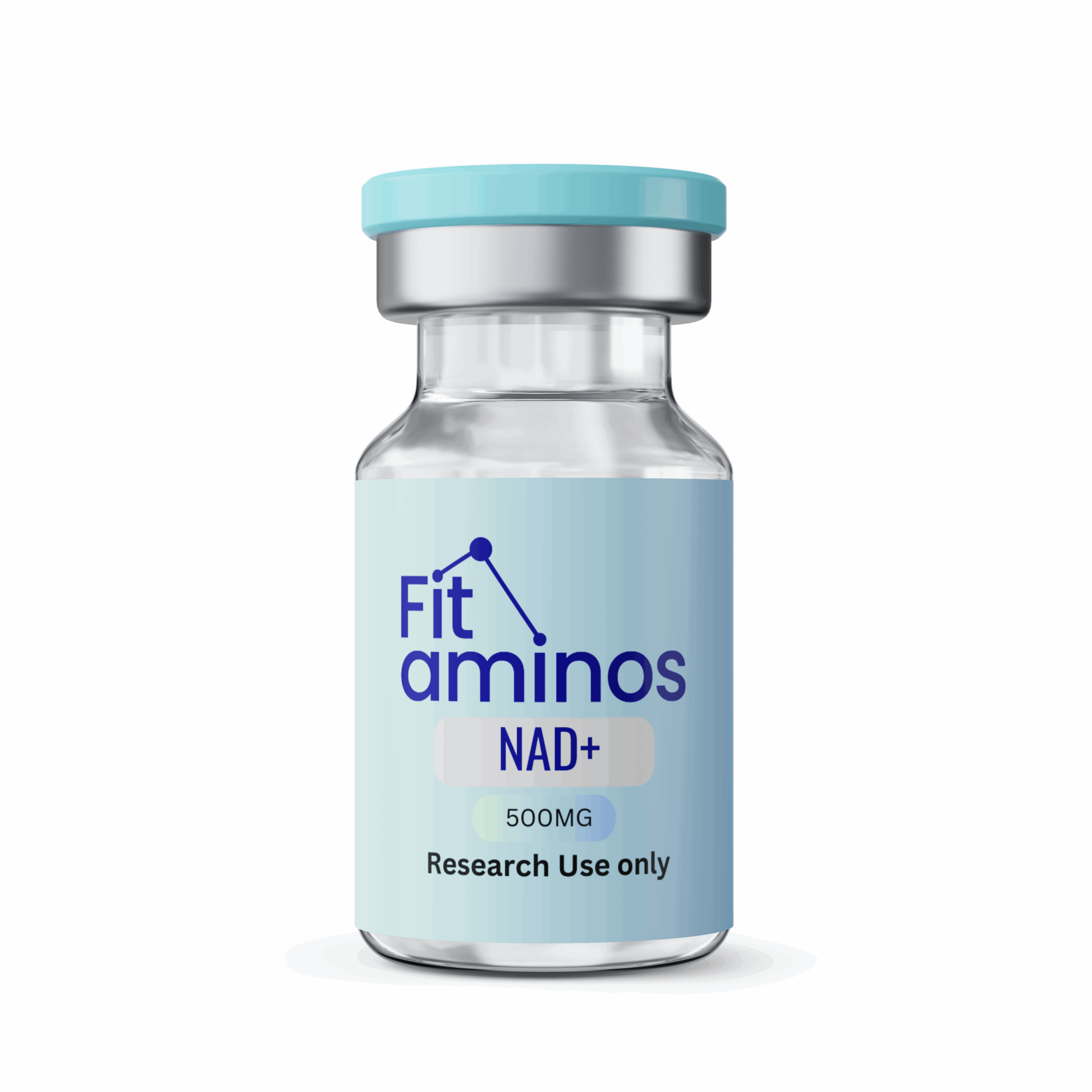
5. NAD+
Restores cellular energy, supports DNA repair, and improves overall metabolism.
6. SYN-AKE
Inspired by snake venom, it relaxes facial muscles and smooths expression lines.
7. Argireline (Acetyl Hexapeptide-8)
Known as “Botox in a jar,” it reduces crow’s feet, forehead wrinkles, and frown lines.
8. Palmitoyl Tetrapeptide-38
Stimulates the production of collagen and hyaluronic acid, enhancing moisture and firmness.
9. GHK-Cu (Copper Tripeptide-1)
Combines copper with peptides to speed up healing, boost elasticity, and rejuvenate skin.
10. Palmitoyl Tetrapeptide-7
Reduces inflammation, shields from UV damage, and promotes collagen maintenance.
11. Palmitoyl Tripeptide-1 (Pal-GHK)
Signals the body to repair tissue, improving smoothness and reducing visible wrinkles.
12. Palmitoyl Tripeptide-5 (Syn-Coll)
Inhibits collagen-degrading enzymes to minimize pores and prevent stretch marks.
How to Use Peptides Effectively
For best results, follow this five-step routine:
- Cleanse: Remove impurities and excess oil.
- Tone: Prepare your skin for better absorption.
- Apply Peptide Serum: Morning and night application yields optimal benefits.
- Moisturize: Seal in hydration to enhance results.
- Protect: Always finish with SPF 30+ during the day.
Avoid mixing peptides with strong acids like Vitamin C or AHAs, since they can deactivate peptide bonds.
Instead, pair peptides with niacinamide or hyaluronic acid to boost hydration and performance.
Frequently Asked Questions (FAQs)
Are peptides safe for sensitive skin?
Yes. Most peptides are gentle, but always do a patch test before full application.
Do injections work better than creams?
Injections penetrate deeper, giving quicker results, but serums are safer and more sustainable for daily use.
Which is better — natural or synthetic peptides?
Both have proven benefits. Natural peptides come from proteins, while synthetic ones are engineered for better stability and deeper penetration.
Final Thoughts: The Smart Way to Stay Youthful
Peptides aren’t magical, but they are scientifically validated tools for real skin transformation.
When combined with consistent hydration, a balanced diet, and daily sunscreen, they can visibly slow aging.
Ultimately, consistency matters more than perfection.
Commit to your routine, and your skin will reward you with lasting radiance and resilience.
