
Hormone supplements are getting hyped everywhere especially pregnenolone and DHEA. You’ll see claims about better energy, higher testosterone, sharper focus, anti-aging effects… but here’s the reality:
Most people don’t even understand what these hormones actually do so they end up choosing blindly.
In this article by Peptides Unleashed, let’s cut the nonsense and break this down properly so you can make a smart decision based on your goals—not marketing hype.
What Is Pregnenolone?
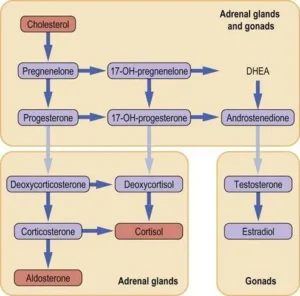
Pregnenolone is often called the “mother hormone.” That’s not just a buzzword—it’s scientifically accurate.
It’s the starting point for producing many important hormones, including:
- Progesterone
- DHEA
- Testosterone
- Estrogen
- Cortisol
What it actually does:
- Supports brain function and memory
- Helps regulate mood and stress
- Plays a role in hormonal balance
Where people go wrong:
They assume more pregnenolone = more testosterone.
That’s not how the body works. Your body decides what to convert it into—and that depends on your current hormone state.
What Is DHEA?


DHEA (Dehydroepiandrosterone) is a hormone produced mainly by your adrenal glands.
It sits further down the hormone chain and is directly linked to:
- Testosterone
- Estrogen
What it actually does:
- Supports energy levels
- Can boost libido
- Helps with muscle maintenance
- Plays a role in aging and vitality
The truth:
DHEA is more targeted than pregnenolone. It’s closer to sex hormones, so its effects are more noticeable—but also riskier if misused.
Pregnenolone vs DHEA: Key Differences
Here’s the comparison most people are actually looking for:
| Feature | Pregnenolone | DHEA |
|---|---|---|
| Role | Parent hormone | Downstream hormone |
| Main Benefit | Brain + mood support | Testosterone + energy |
| Conversion | Converts into many hormones | Converts mainly into sex hormones |
| Risk Level | Lower (generally) | Higher (hormone imbalance risk) |
| Best For | Stress, memory, mental clarity | Libido, muscle, anti-aging |
Benefits of Pregnenolone
Let’s not exaggerate—pregnenolone isn’t magic. But it does have some real use cases.
Brain and Cognitive Support
Pregnenolone is active in the brain and may help with:
- Memory
- Focus
- Mental clarity
Stress and Mood Balance
It plays a role in regulating cortisol, which impacts:
- Anxiety
- Mood swings
- Fatigue
Hormone Foundation Support
If your hormone system is underperforming, pregnenolone can help “feed” the system—but again, your body decides the outcome.
Benefits of DHEA
Now here’s where things get more noticeable—and more dangerous if you’re careless.
Testosterone Support (Especially in Men)
DHEA can help increase testosterone levels, particularly if they’re low.
Improved Libido
This is one of the most common reasons people take DHEA—and yes, it can work.
Anti-Aging Effects
DHEA levels decline with age. Supplementing may help with:
- Energy
- Skin health
- Muscle mass
Muscle and Strength Support
Some users report better workout performance and recovery.
Side Effects and Risks (Don’t Ignore This)
Here’s where most blogs lie to you. These are hormones, not vitamins.
Pregnenolone Side Effects:
- Headaches
- Insomnia
- Irritability
- Hormonal imbalance (if overused)
DHEA Side Effects:
- Acne
- Hair loss
- Increased estrogen (in men)
- Mood swings
- Hormonal crashes
Blunt truth:
If you take DHEA blindly, you can mess up your hormone balance fast.
Which One Should You Choose?
Let’s stop with the generic advice. Here’s the real decision logic:
Choose Pregnenolone if:
- You’re dealing with brain fog or stress
- You want a milder, upstream approach
- You’re not specifically targeting testosterone
Choose DHEA if:
- You have low libido or low testosterone symptoms
- You want noticeable physical effects
- You understand the risks and monitor dosage
Don’t take either if:
- You haven’t done basic blood work
- You’re guessing your hormone levels
- You expect quick miracle results
That’s how people mess themselves up.
Can You Take Pregnenolone and DHEA Together?
Yes—but this is where people get reckless.
Stacking both can:
- Increase hormone production significantly
- Lead to imbalance if not controlled
If you combine them, dosage and timing matter a lot. This is not beginner territory.
Dosage Guidelines (General, Not Medical Advice)
- Pregnenolone: 5–50 mg/day
- DHEA: 10–50 mg/day
Start low. Always.
More is not better—more is how you create problems.
Natural Ways to Support These Hormones
Before jumping into supplements, fix the basics:
- Sleep 7–9 hours
- Lift weights regularly
- Reduce chronic stress
- Eat healthy fats (important for hormone production)
If your lifestyle is trash, supplements won’t save you.
Final Verdict: Which One Wins?
Here’s the honest answer:
There is no “winner.”
- Pregnenolone is better for balance and brain support
- DHEA is better for performance and physical effects
The real mistake is thinking one is universally better.
The smart move is choosing based on your actual problem, not hype.
FAQs
Is pregnenolone safer than DHEA?
Generally, yes. It’s less direct and usually causes fewer hormonal disruptions.
Can DHEA increase testosterone?
Yes—but mainly if your levels are already low.
Do I need a prescription?
In many countries, these are available over-the-counter—but that doesn’t mean they’re risk-free.
How long does it take to see results?
- DHEA: 2–4 weeks
- Pregnenolone: slower, more subtle
5 Can women take these hormones?
Yes—but dosing must be lower, especially for DHEA, to avoid androgenic side effects.
References
- Labrie, F. (2004). DHEA and its transformation into androgens and estrogens. Journal of Steroid Biochemistry and Molecular Biology.
https://doi.org/10.1016/j.jsbmb.2004.03.012 - Mayo Clinic. (2023). DHEA: Evidence and safety.
https://www.mayoclinic.org - WebMD. (2023). Pregnenolone: Uses and risks.
https://www.webmd.com
