

The peptide industry has exploded in recent years, with countless online vendors promising steroid-like muscle gains from injectable compounds. But what does the evidence actually show? This guide is for athletes, fitness enthusiasts, and anyone considering peptides for muscle growth. Understanding the real effects of peptides matters to help you make informed, safe decisions about muscle-building strategies. This guide cuts through the marketing noise to examine which peptides genuinely support muscle growth, which are largely overhyped, and how injectable protocols typically work in clinical settings.
Fast Answer: Do Peptides Really Help Build Muscle?
Certain injectable peptides can support muscle growth, recovery, and body composition when combined with resistance training and proper nutrition—but they’re far from magic solutions. Most muscle building peptides work by increasing growth hormone and insulin like growth factor (IGF-1), creating a more anabolic environment that can modestly enhance lean mass and recovery over weeks to months.
Evidence-backed options for muscle growth include:
- CJC-1295 + ipamorelin (injectable GH secretagogue stack)
- Sermorelin (injectable GHRH analog)
- MK-677/Ibutamoren (oral, technically not a peptide but commonly grouped)
- IGF-1 LR3 (injectable, higher risk, strict anti-doping rules)
Here’s the reality check: many popular peptides are overhyped, not FDA-approved for bodybuilding, and carry safety, legal, and quality-control risks—especially when sourced from unregulated online vendors. Studies on collagen peptides showed a 4.2 kg fat-free mass increase versus 2.9 kg with placebo over 12 weeks of training, illustrating that gains exist but remain modest.
The rest of this article breaks down what works best for adding muscle, which peptides are over-sold, and how injectable protocols are typically used in clinical and wellness settings.
What Are Peptides and How Do They Affect Muscle Growth?
Peptides are short chains of amino acids that act as signaling molecules in the body. Unlike complete proteins, these shorter chains can directly influence specific biological pathways, and in the context of training they primarily act as indirect supports for muscle growth rather than direct muscle builders.
Muscle building peptides generally target the growth hormone and IGF-1 axis, improving protein synthesis, tissue repair, and sometimes fat metabolism. They work by amplifying natural signals your body already uses to regulate growth and recovery.
There’s an important distinction between naturally occurring peptides (like GHRH, ghrelin, and IGF-1) and synthetic peptides designed in laboratories. Synthetic compounds such as CJC-1295, ipamorelin, and various growth hormone releasing peptides are engineered to extend half-life, increase potency, or reduce unwanted side effects compared to their natural counterparts.
Most muscle-related peptides don’t directly build muscle tissue like anabolic steroids do. Instead, they create a more favorable hormonal environment that can enhance the results of progressive resistance training and adequate protein intake. Think of them as potential amplifiers, not replacements, for the fundamentals.
How Peptides Build Muscle: The Growth Hormone & IGF-1 Pathway
Building muscle requires three core elements: mechanical tension from training, sufficient nutrition, and hormonal support. Peptides primarily act on the hormonal component of this equation.
Peptides act as signaling molecules in the body, stimulating the release of growth hormone, which in turn boosts levels of IGF-1 (insulin-like growth factor-1), aiding in muscle growth and recovery.
Growth hormone is released in pulses from the pituitary gland, with the largest bursts occurring during deep sleep. This pulsatile release stimulates the liver to produce IGF-1, which then drives muscle protein synthesis, supports satellite cell proliferation, and aids tissue repair throughout the body.
Growth hormone releasing peptides and growth hormone releasing hormone analogs work by increasing either the amplitude or frequency of these natural growth hormone pulses. Research shows these compounds can elevate IGF-1 levels by 1.5-3x baseline in trials on older adults, correlating with 2-5% lean mass gains over 3-6 months.
Key considerations:
- Studies in GH-deficient patients from the 1990s-2010s consistently show lean mass increases of 2-4 kg
- Young, well-trained individuals show blunted responses due to feedback inhibition
- Even with elevated bloodwork numbers, real-world muscle gains remain modest—typically a few pounds over several months
The dramatic transformations often promised in marketing materials simply aren’t supported by clinical evidence, especially for healthy, resistance-trained younger adults.

Best Peptides for Muscle Growth and Recovery
This section focuses on the most commonly used and relatively effective compounds for adding lean muscle mass and supporting muscle recovery. The emphasis is on injectable peptides with at least some evidence base behind them.
When evaluating any peptide, remember that results depend heavily on training quality, nutrition, sleep, and individual response. No injectable compound compensates for poor fundamentals.
CJC-1295 and Ipamorelin
CJC-1295 is a tetrasubstituted GHRH analog that binds to albumin for prolonged action, while ipamorelin is a selective GHRP that mimics ghrelin without the cortisol and prolactin spikes seen with older compounds like GHRP-2/6. Together, they target different receptors to stimulate sustained GH release.
In wellness and performance clinics throughout the mid-2020s, a nightly subcutaneous CJC-1295 + ipamorelin protocol over 3-6 months has become standard for clients seeking increased lean mass, better recovery, and improved sleep architecture. This combination can raise GH pulses 5-10x above baseline.
Comparison Table: CJC-1295 + Ipamorelin vs. Other Peptides
| Peptide Stack | Mechanism | Benefits | Risks/Side Effects | Evidence Base |
|---|---|---|---|---|
| CJC-1295 + Ipamorelin | GH secretagogue stack | Lean mass gain, recovery, sleep | Water retention, mild carpal tunnel, insulin sensitivity decrease | Moderate (older/overweight adults) |
| Exogenous HGH | Direct GH replacement | Rapid lean mass gain | Higher risk of side effects, legal issues | Strong (GH-deficient patients) |
| Anabolic Steroids | Androgen receptor agonist | Rapid muscle/strength gain | HPTA shutdown, cardiovascular risk | Strong (but high risk) |
Evidence shows these stacks reliably raise GH and IGF-1 and can improve body composition in older or overweight adults. Studies demonstrate lean mass increases of 2-4 kg with accompanying fat loss. However, published data in healthy, resistance-trained younger populations remains sparse—most claims in this demographic are anecdotal.
Compared with exogenous HGH or anabolic steroids, these stacks are generally perceived as gentler. Side effects include transient water retention (2-5 kg), mild carpal tunnel symptoms, and insulin sensitivity decreases evidenced by 10-20% fasting glucose rises in longer trials.
Key takeaways:
- Effective for enhanced muscle growth in older/GH-deficient populations
- Limited evidence for young, trained athletes
- Relatively clean side effect profile compared to alternatives
Sermorelin and Other GHRH Analogs
Sermorelin is a 29-amino acid GHRH fragment originally FDA-approved for diagnosing and treating growth hormone deficiency in children. It’s now used off-label in adults for anti-aging and body composition support.
Unlike constant exogenous GH administration, sermorelin stimulates the pituitary to release GH in a more physiologic, pulsatile way—mimicking natural growth hormone pulses. Many clinicians prefer this approach from a safety standpoint, as it maintains the body’s feedback mechanisms rather than overriding them.
In adults aged 50-70, sermorelin-based therapies can restore IGF-1 to mid-normal ranges (150-250 ng/mL), yielding approximately 1.5-3 kg lean mass gains and 2-4% fat loss over 6 months when combined with resistance training and adequate protein. A 1997 study demonstrated superior tolerability compared to recombinant human GH.
Many peptide therapy clinics in the U.S. between 2020-2026 have used sermorelin—often stacked with ipamorelin—as a first-line injectable option for clients wanting gradual improvements rather than dramatic changes, while others compare it with BPC-157 for different goals such as systemic GH support vs localized tissue repair. Despite being closer to the body’s natural hormone profile, sermorelin is still not approved for cosmetic bodybuilding or athletic performance enhancement in healthy adults.
IGF-1 LR3 and Other Anabolic Peptides
IGF-1 LR3 represents a different category entirely. This 13-amino acid analog features an arginine substitution and 13-alanine extension, giving it a 20-30 hour half-life that bypasses binding proteins for more direct muscle cell stimulation via the PI3K/Akt signaling pathway, but its effects, risks, and smarter alternatives need careful consideration before use.
Summary Table: IGF-1 LR3 vs. Other Peptides
| Peptide | Mechanism | Benefits | Risks/Side Effects | Evidence Base |
|---|---|---|---|---|
| IGF-1 LR3 | Direct IGF-1 analog | Potential direct muscle growth | Hypoglycemia, tumor risk, banned in sports | Minimal (mostly anecdotal) |
| PEG-MGF | Muscle repair | Experimental muscle repair | Unknown long-term safety | Very limited |
In theory, elevated circulating IGF-1 directly stimulates muscle cell proliferation and protein synthesis, leading to muscle hypertrophy. This potential for direct anabolic effects made IGF-1 LR3 popular in bodybuilding communities during the 2000s and 2010s, with some users reporting site-specific injections into lagging muscle groups.
However, IGF-1 LR3 carries substantially greater risks than GH secretagogues, and it sits alongside experimental options like PEG-MGF for muscle growth and repair where human safety and efficacy data are still very limited:
- Severe hypoglycemia (glucose drops to 40-60 mg/dL)
- Proliferative retinopathy concerns
- IGF-1’s mitogenic effects potentially accelerating occult tumors
- WADA-banned with 2-4 year suspensions for positive tests
Published human data on IGF-1 LR3 for muscle growth in healthy lifters is minimal. Most claims are anecdotal or extrapolated from deficiency treatment contexts. This compound represents a “high-risk, high-unknown” option that mainstream medical wellness practices generally avoid.
MK-677, BPC-157, TB-500 and Indirect Muscle Support
MK-677 (ibutamoren) isn’t technically a peptide—it’s a small-molecule ghrelin receptor agonist taken orally at typical doses around 25 mg daily. However, it’s widely grouped with peptides in broader discussions of peptides for men targeting weight loss, muscle growth, and recovery because it serves the same GH/IGF-1-raising goals.
Comparison Table: MK-677, BPC-157, TB-500
| Compound | Mechanism | Benefits | Risks/Side Effects | Evidence Base |
|---|---|---|---|---|
| MK-677 | Oral GH secretagogue | IGF-1 elevation, muscle preservation, strength | Appetite increase, water retention, insulin resistance | Moderate (older adults) |
| BPC-157 | Tissue repair peptide | Tendon/ligament healing, recovery | Largely unknown in humans | Preclinical |
| TB-500 | Tissue repair peptide | Inflammation reduction, healing | Largely unknown in humans | Preclinical |
BPC-157 (body protection compound) and TB-500 (thymosin beta-4 fragment) serve different purposes. These are recovery-focused peptides aimed at tendon, ligament, and connective tissue repair:
- BPC-157 upregulates VEGF and blood vessel formation, accelerating tendon healing by approximately 50% in rodent models, and preclinical work suggests broader tissue repair and wound-healing potential for BPC-157
- TB-500 promotes actin sequestration and cell migration, reducing inflammation in equine trials by 40%
Both may indirectly support muscle growth by enabling harder training through faster injury recovery and improved joint health. However, human clinical data remains largely absent—most evidence is preclinical, and peptides for recovery and tissue repair should be seen as adjuncts to fundamentals, not replacements. Position these as supporting players rather than primary muscle building peptides.
Most Overhyped Peptides for Muscle Gain
Marketing around peptides exploded between 2018-2026, with vendors often overselling cosmetic or performance benefits while downplaying risks. Here are the most commonly overhyped compounds:
AOD-9604
- AOD-9604: This hGH 177-191 fragment is marketed as a lean mass miracle, but trials show only fat loss (1-2 kg over 12 weeks) with essentially zero muscle accrual. It lacks full GH receptor affinity needed for anabolic effects.
GHRP-2 and GHRP-6
- GHRP-2 and GHRP-6: These older growth hormone secretagogues raise GH but provoke voracious hunger and 100-300% cortisol/prolactin spikes that can actually blunt anabolism. Head-to-head comparisons show no superior muscle hypertrophy data versus cleaner options like ipamorelin.
Proprietary Peptide Blends
- Proprietary “peptide blends”: Online cocktails with unclear ingredient lists lack clinical data, risk contaminants, and often contain underdosed or mislabeled compounds. Quality scandals between 2020-2025 exposed vials with 50% potency shortfalls or bacterial contamination.
Cosmetic and Oral Peptides
- Cosmetic and oral peptides: Skincare collagens and oral supplements marketed as “muscle builders” have less than 1% systemic bioavailability, yielding no meaningful GH/IGF effects for muscle tissue, even though some peptides commonly discussed in women’s health may influence skin quality, tissue repair, or metabolism through other mechanisms.
Reality check for healthy lifters over 8-12 weeks:
- Realistic gains: 1-3 lbs lean mass, improved recovery, better sleep
- Unrealistic expectations: dramatic muscle transformation, steroid-like results
- What matters more: training consistency, protein intake, sleep quality
Safety, Side Effects, and Legal Status
Peptides are often presented as a natural alternative to steroids, but “safer than steroids” doesn’t mean risk-free—especially when used off-label or obtained from non-medical sources.
Common Side Effects
- Local injection reactions: redness, swelling, bruising, infection risk (20-40% of users)
- Systemic effects: water retention, joint stiffness, carpal tunnel-like symptoms (10-30% incidence), fatigue, headaches
- Metabolic effects: insulin resistance, 10-20% elevated blood glucose, potential worsening of prediabetes
- Theoretical long-term risks: promotion of existing tumor growth, cancer acceleration with chronic IGF-1 elevation above 300 ng/mL (1.5-2x increased risk in predisposed individuals)
Legal Status and Regulation
From 2020-2026, most popular muscle-building peptides—including CJC 1295, ipamorelin, and BPC-157—have not been FDA-approved for bodybuilding. They’re sold as “research chemicals” online, often without quality control or purity verification.
The World Anti-Doping Agency bans all growth hormone secretagogues, IGF-1 analogs, and similar synthetic compounds. Positive tests result in 2-4 year suspensions and loss of titles for competitive athletes.
Legitimate clinical use includes quarterly IGF-1 monitoring, fasting glucose and lipid panels, cancer screening, and clear treatment endpoints. Underground use typically skips all of this, substantially increasing health concerns.
Injectable Peptides: How They’re Typically Used in Practice
Peptides are typically administered through subcutaneous or intramuscular injections.
Administration Patterns
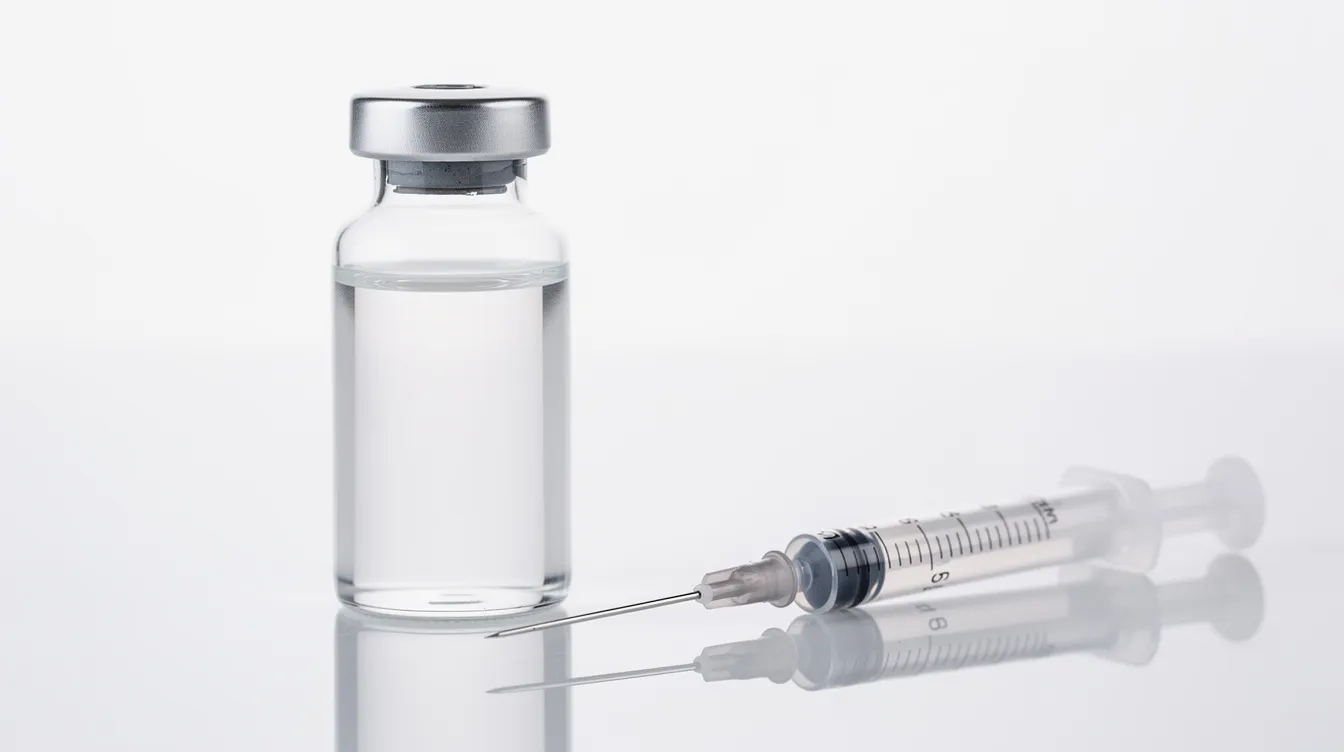
In supervised settings, muscle-focused peptide therapy involves low-dose subcutaneous injections using small insulin syringes (30-31 gauge) into abdominal or thigh fat. The process is straightforward but requires proper sterile technique.
Typical administration patterns for GH secretagogues include:
- Daily or near-daily evening injections timed to coincide with natural growth hormone release during sleep.
- Cycle lengths ranging from 8-12 weeks for initial assessment to 12-24 weeks for sustained protocols.
- Reassessment based on labs and clinical response.
Comprehensive Plan Components
Injections represent only one component of a comprehensive plan that should include:
- Structured progressive resistance training (3-5x weekly)
- Adequate protein (approximately 1.6-2.2 g/kg bodyweight daily)
- Sleep optimization for maximum natural growth hormone pulses
- Weight management and fat distribution improvement goals
Clinic Screening and Consent
Reputable clinics screen for contraindications including:
- Active neoplasia
- Uncontrolled diabetes
- Pregnancy
They obtain informed consent detailing off-label status and limited long-term safety data.
Before starting any protocol, discuss with a clinician:
- Complete medical history and current medications
- Specific performance enhancement or body composition goals
- Doping status if competing in tested sports
- Budget considerations (peptides aren’t cheap)
- Alternative, better-studied options like creatine and optimized training

Peptides vs. Steroids and vs. Proven Natural Strategies
Peptides and steroids are fundamentally different in their mechanisms of action and effects on the body. Peptides act more naturally by stimulating specific biological processes without the broad impact of steroids, and have emerged as a popular alternative due to their lower risk of side effects and organ toxicity.
Anabolic steroids directly deliver or mimic testosterone, driving rapid muscle and strength increases—testosterone enanthate can yield 5-10 kg lean mass in 12 weeks via androgen receptor saturation. However, this comes with significant legal issues, HPTA shutdown, and cardiovascular risks.
Peptides modulate hormone signaling more subtly, producing slower and smaller changes. While they offer a more physiologic hormone profile than exogenous synthetic hormones, they’re still pharmacologic agents with real effects and potential downsides.
Evidence-backed, legal strategies that should form your foundation:
| Strategy | Evidence Level | Expected Benefit |
|---|---|---|
| Progressive resistance training | Extensive (thousands of studies) | 80% of muscle gain variance |
| Protein intake (1.6-2.2 g/kg) | Strong | Essential for muscle protein synthesis |
| Creatine monohydrate | 500+ studies | 5-15% strength increase, 2-5% mass |
| Sleep optimization (7-9 hours) | Strong | Maximizes natural GH pulses |
| Collagen peptides | Moderate | 1-2 kg additional lean mass |
| For most healthy lifters, optimizing these basics produces larger, more reliable gains than adding peptides to a poor training or nutrition program. Consider peptides as optional, higher-complexity tools—not essentials for building lean muscle mass. |
Who Might (and Might Not) Be a Candidate for Peptide Therapy?
While internet marketing often targets young gym-goers, the more legitimate use-cases for GH-related peptides involve older adults or individuals with documented hormone deficiencies.
Reasonable Candidates
- Middle-aged and older adults (40s-70s) with age-related IGF-1 decline (below 100 ng/mL) and sarcopenia, already committed to resistance training
- People recovering from surgery or injury with muscle wasting concerns, under physician guidance
- Individuals with confirmed GH deficiency managed by an endocrinologist
Higher-risk or Inappropriate Profiles
- Active or recent cancer patients (IGF-1’s mitogenic effects create 2-3x progression risk)
- Uncontrolled diabetes, severe cardiovascular disease, or proliferative retinopathy
- Younger, healthy athletes in WADA-tested sports (legal and career consequences)
- Anyone expecting steroid-like transformations from secretagogues
Observational data suggests 40+ men may see 2-5% better gains atop natural training with supervised peptide protocols, while younger eugonadal men show blunted responses. Suitability should always be determined with a qualified healthcare provider who understands both endocrinology and athletic performance goals.
Takeaway: Setting Realistic Expectations About Peptides and Muscle Growth
Injectable peptides can modestly support muscle gain and accelerate recovery by enhancing GH/IGF-1 signaling—particularly in older or hormonally compromised individuals. However, they’re not shortcuts that replace training, diet, or sleep. Realistic expectations over 8-12 weeks include 1-3 lbs increased fat free mass, enhanced recovery, and improved body composition, not dramatic transformation.
Worth discussing with a clinician: CJC-1295 + ipamorelin or sermorelin-based protocols for those who’ve already optimized fundamentals.
Largely overhyped or higher risk: IGF-1 LR3, untested blends, AOD-9604 for muscle, cosmetic products marketed as muscle builders.
Safety, legality, cost, and quality-control issues mean peptide use should be a carefully considered decision with proper medical guidance—not an impulse purchase from an unregulated research peptides vendor.
Before reaching for injectables, maximize proven approaches: progressive resistance training, high-quality adequate protein intake with leucine-rich sources, creatine supplementation, and sleep optimization. These account for the vast majority of your results. Further research continues on peptides, but the fundamentals remain unchanged.
Any peptide protocol should be supervised by a knowledgeable healthcare professional familiar with both immune function monitoring and fitness routine optimization. This article is for educational purposes only and does not constitute medical advice.
