
Our peptide calculator helps you instantly translate mg in the vial into mcg per dose and syringe units (U/mL), without manual math. Peptides are chains of amino acids that play crucial roles in various biological processes. Whether you’re working with a 5 mg vial of BPC 157 or a 10 mg vial of CJC-1295, the tool handles the conversion in seconds. The peptide calculator helps users achieve accurate dosages for safe and effective peptide administration. It allows you to calculate peptide dosage step-by-step, ensuring precision for each injection and for your entire cycle.
This calculator is for educational purposes only. Consult a licensed clinician before using any injectable peptide.
What the calculator shows:
- Peptide concentration (mg/mL and mcg per unit)
- Your desired dose volume in mL and insulin syringe units
- How long a single vial will last at your chosen protocol
- Total peptide amount needed for a full cycle
This article walks through step-by-step examples (e.g., 5 mg vial, 2 mL bacteriostatic water, 250 mcg dose) so you can double-check the calculator manually. Peptides Unleashed focuses on educational peptide resources—no peptide sales—led by orthopedic surgeon Dr. Bradley Thomas. Grab our free peptide e-book and join the newsletter for deeper guides.
Introduction to Peptides
Peptides are short chains of amino acids that serve as the fundamental building blocks for proteins in the body. These versatile molecules are involved in a wide range of biological functions, from regulating hormones to supporting immune responses and facilitating tissue repair. Many peptide hormones, such as insulin and oxytocin, are essential for maintaining healthy metabolism, growth, and overall bodily functions. Because peptides play such a pivotal role in processes like muscle growth, skin rejuvenation, and weight loss, they have become a focus of both medical research and modern peptide therapy protocols. Understanding how peptides work—and how they differ from larger proteins or traditional hormones—can help you make informed decisions about peptide therapies and supplements tailored to your health goals.
What Is a Peptide Calculator?
A peptide dosage calculator is an online tool that converts peptide mass (mg in a vial), diluent volume (mL), and target dose (mcg) into an exact syringe pull for injection. The calculator bridges three critical steps: determining solution concentration, converting to micrograms per insulin unit, and calculating how far to pull the syringe plunger.
Manual dosage math is error-prone because researchers must juggle micrograms versus milligrams, varying vial sizes, and different insulin syringe volumes. A single decimal error can result in a 1,000-fold dosing mistake.
Our calculator supports:
- Fixed doses (e.g., 250 mcg per injection)
- Body-weight-based dosing (e.g., 5 mcg/kg)
- Cycle planning over a set number of days, including calculating the total amount of peptide needed for your entire supplementation cycle
- Common vial strengths: 2 mg, 5 mg, 10 mg, 15 mg, 20 mg
- Standard diluent volumes: 1 mL, 2 mL, 3 mL, 5 mL
If you would prefer not to calculate out the correct amount to take, you can always use our Peptide Dosage Calculator.
Our peptide calculator, takes the guess work out of calculating the correct amount.
Peptide Reconstitution Calculator (Mixing Peptide + Bacteriostatic Water)
Peptide reconstitution transforms a lyophilized peptide (freeze-dried powder form) into a liquid solution by adding a sterile solvent. Most peptides arrive in small vials containing peptide powder that requires this reconstitution process before any dosing calculation makes sense.
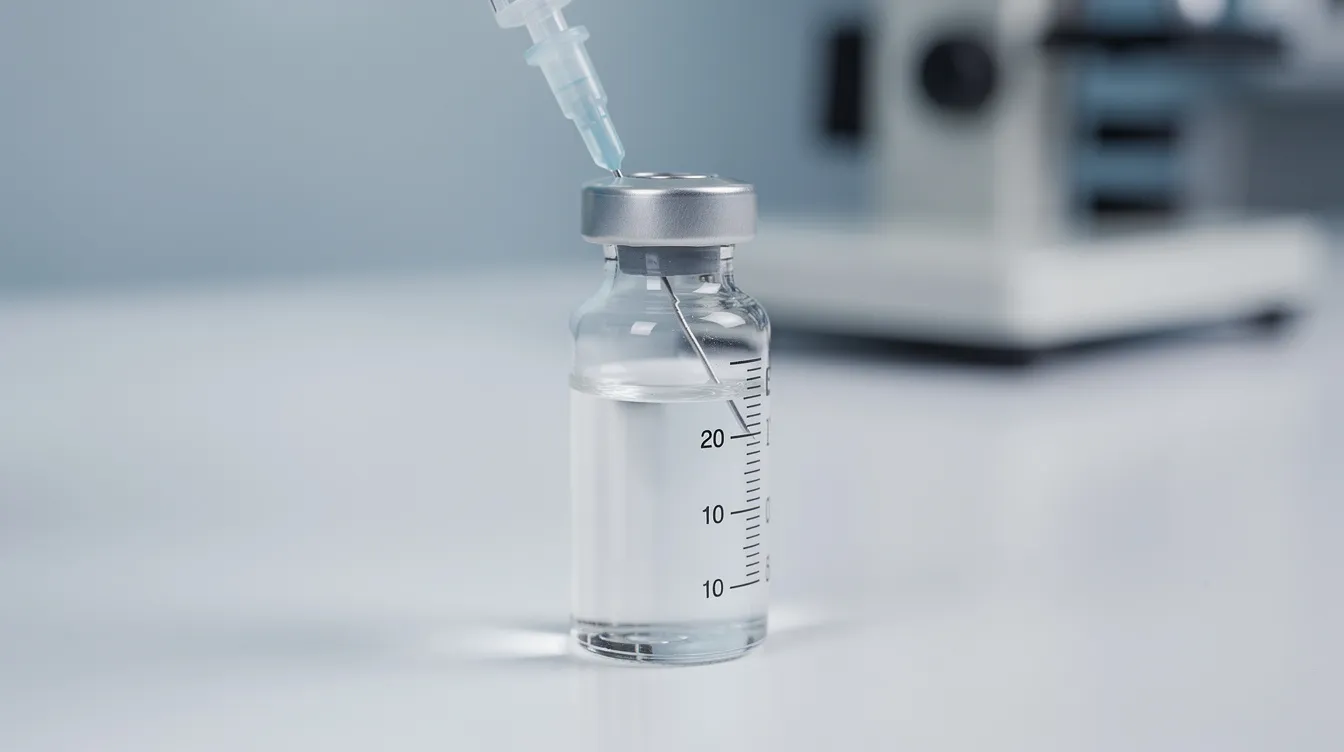
Inputs the reconstitution portion needs:
- Peptide amount in vial (mg)
- Chosen bac water volume (mL)
- Optionally, desired concentration (mcg per 0.1 mL)
Key output: The peptide solution concentration in mg/mL and mcg per 0.01 mL “unit” on a standard 1 mL insulin syringe (where 100 units = 1 mL total volume).
Concrete example: 5 mg peptide + 2 mL bacteriostatic water = 2.5 mg/mL = 2,500 mcg/mL = 25 mcg per insulin unit.
Bacteriostatic water contains 0.9% benzyl alcohol, which maintains sterility and allows multiple withdrawals from the same peptide vial when handled properly with proper storage.
Peptide Solvent Selection: Choosing the Right Mixing Solution
Selecting the appropriate solvent is a crucial step in the peptide reconstitution process, just as accurate MOTS-c peptide dosing calculations depend on proper reconstitution and measurement. Bacteriostatic water is the most commonly recommended solution for mixing peptides, as it contains a small amount of benzyl alcohol to inhibit bacterial growth, making it safe for multiple withdrawals from the same vial. Using a peptide reconstitution calculator, you can determine the exact amount of bacteriostatic water needed to achieve your desired concentration, ensuring your peptide solution is both effective and safe for use. While bacteriostatic saline is another option, it’s important to match the solvent to the specific requirements of your peptide and intended application. Accurate reconstitution not only helps you achieve the correct dose but also preserves the stability and potency of your peptide therapy. Always use sterile techniques and consult the calculator to determine the optimal solution volume for your peptide vial.
Draw & Dose Calculator: From Theory to Syringe
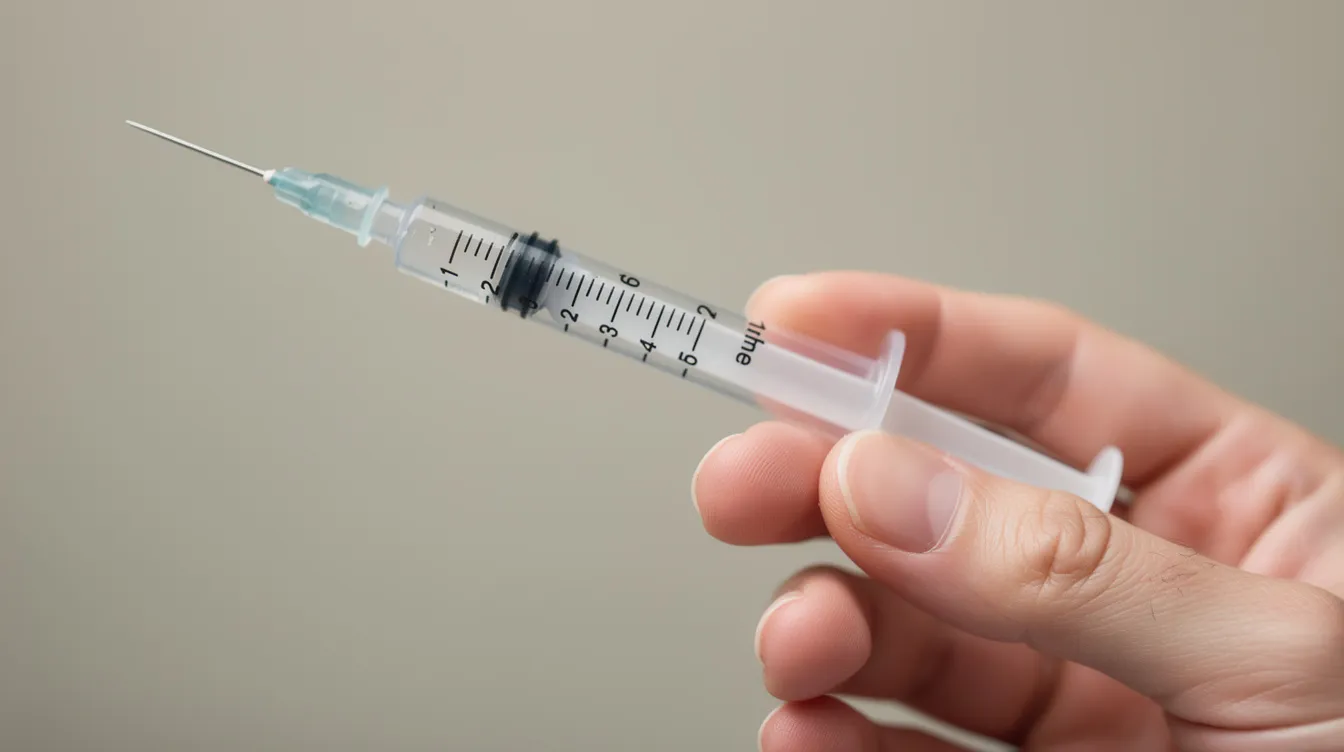
This practical section tells you exactly how far to pull the plunger for each injection based on your reconstituted peptide solution.
Supported insulin syringe sizes:
| Syringe Volume | Total Units | mL per Unit |
|---|---|---|
| 0.3 mL | 30 units | 0.01 mL |
| 0.5 mL | 50 units | 0.01 mL |
| 1.0 mL | 100 units | 0.01 mL |
| What you enter: |
- Solution concentration (from reconstitution step)
- Desired dose in mcg
- Syringe volume you own
What the calculator returns:
- Dose volume in mL (e.g., 0.15 mL)
- Dose volume in units (e.g., 15 units on a 1 mL syringe)
Always verify the vial label (mg content) and syringe markings before trusting any calculation.
Step-by-Step: How to Use the Peptide Calculator
Here’s a numbered walk-through from first input to final dose, designed for beginners who need to accurately calculate dosages.
Step 1: Choose your peptide vial Select vial size from the dropdown (e.g., 5 mg CJC-1295, 10 mg BPC-157) or type a custom value in mg if your vial contains a different quantity.
Step 2: Enter diluent volume Input how much bacteriostatic water or NaCl 0.9% you plan to add. Common amounts include 1 mL, 2 mL, or 3 mL depending on your preferred concentration.
Step 3: Select dosing style Choose between:
- Fixed dose (e.g., 250 mcg once or twice daily)
- Body-weight-based dose (e.g., 5 mcg/kg)
Step 4: Add body weight if needed Enter weight in kg or lb. The calculator handles unit conversion automatically to determine your peptide dose.
Step 5: Pick injection frequency and cycle length Enter injections per day (1–3) and total days/weeks (e.g., 6-week protocol) so the calculator can show total peptide required.
Step 6: Hit calculate and review summary The output includes:
- Concentration (mg/mL and mcg/unit)
- Volume per injection (mL and units)
- Total daily dose (mcg)
- How many days the vial will last
Worked Example: 5 mg Peptide, 3 mL Bacteriostatic Water, 250 mcg Dose
This numerical walk-through lets you confirm the calculator’s outputs are logically correct.
Setup: 1 vial contains 5 mg peptide, reconstituted with 3 mL bac water. Target dose is 250 mcg per injection.
Concentration math:
- 5 mg ÷ 3 mL = 1.67 mg/mL
- Convert to mcg: 1.67 mg/mL × 1,000 = 1,670 mcg/mL
Dose volume:
- 250 mcg ÷ 1,670 mcg/mL ≈ 0.15 mL per injection
Insulin syringe units:
- 0.15 mL × 100 units/mL = 15 units
- Draw to the 15-unit mark for your 250 mcg correct dose
Vial lifespan:
- Total: 5,000 mcg ÷ 250 mcg per dose = 20 injections from this vial
Understanding Peptide Dosage: mg, mcg, and Body Weight
Peptide dosing typically appears in micrograms (mcg) or mg per kg of body weight, which confuses many new users working with amino acids-based compounds like peptides commonly used in women’s health and peptide hormones.
Critical unit conversions:
- 1 mg = 1,000 mcg
- A 5 mg vial = 5,000 mcg total
- Misreading mcg as mg causes 1,000x dosing errors
Weight-based example: If a protocol recommends 4 mcg/kg and you weigh 80 kg, your dose is 320 mcg (4 × 80).
The calculator handles this automatically: input 4 mcg/kg and 80 kg, and it outputs 320 mcg per dose plus the associated syringe volume. Common body-weight ranges in educational contexts include 1–10 mcg/kg/day for peptides like BPC-157 or TB-500, though specific protocols require clinical supervision.
Common Use Cases: Fat Loss, Muscle Growth, Recovery & Cognitive Support
While the calculator functions generically for most peptides, people often apply it to specific goals, including peptides that support muscle growth. Note that peptides steroids are distinct categories—peptides are chains of amino acids, not anabolic steroids.
Fat loss peptides (e.g., semaglutide, tirzepatide): Typically dosed weekly in mg. The calculator helps convert mg in a multi-dose pen into mL per shot under men’s peptide-focused weight loss and metabolic protocols supervision.
Muscle growth peptides (e.g., CJC-1295, Ipamorelin, GH secretagogues): Protocols often use mcg doses 1–3 times daily. Reconstitution math and syringe units are critical for multiple peptides in a stack.
Recovery peptides (e.g., BPC-157, TB-500): Users calculate systemic doses in mcg/kg ranges. The calculator estimates total peptide needed for 4–8 week cycles focused on tissues healing and skin rejuvenation, complementing choices between Sermorelin and BPC-157 peptide strategies.
Cognitive peptides (e.g., Semax, Selank, NAD+): Dosing may be nasal or subcutaneous. The calculator applies directly to subcutaneous mcg dosing. These support metabolism and protein synthesis in neural tissues.
Peptide Therapy: Applications and Considerations
Peptide therapy harnesses the power of peptides to support and enhance specific physiological functions, such as stimulating hormone secretion, accelerating tissue repair, or modulating immune responses. This approach is used in a variety of clinical and wellness settings, from addressing hormone deficiencies and muscle wasting to promoting skin, recovery, and muscle-supportive peptide use. To ensure safe and effective results, it’s essential to accurately calculate dosages using a peptide dosage calculator, which helps determine the precise amount needed for your protocol. Proper storage of peptides—typically in a cool, dark environment—is also vital to maintain their effectiveness. Before starting any peptide therapy, consult with a qualified healthcare provider to assess potential risks, side effects, and the best dosing strategy for your needs, then use ongoing education resources such as our peptides blog with research updates. By combining careful calculation, proper storage, and medical guidance, you can maximize the benefits of peptide therapy while minimizing risks.
Safety, Legal, and Medical Considerations
This calculator and article provide educational information only—not personalized medical advice.
Many peptides (GLP-1 analogs, GH secretagogues) are prescription-only medications in the US, EU, UK, Canada, and Australia. Unsupervised use carries legal and health risks related to hormones regulation.
Common side effects clinicians monitor:
- Injection-site irritation
- Nausea or dizziness
- Fluid retention
- Blood sugar changes (depending on peptide class and collagen-related compounds)
Miscalculations—especially mixing up mcg and mg—lead to overdosing or underdosing. Dr. Bradley Thomas and Peptides Unleashed advocate lab testing, medical supervision, and evidence-based protocols. Always consult a qualified clinician before proceeding.
How to Manually Double-Check Your Calculator Results
A simple cross-check confirms the calculator wasn’t misconfigured.
3-step sanity check:
- Verify vial label (mg) and diluent water volume (mL)
- Compute mg/mL yourself using basic division
- Compute mcg per unit for your syringe and confirm it matches
Verification example: For a 10 mg vial with 4 mL water:
- 10 ÷ 4 = 2.5 mg/mL = 2,500 mcg/mL
- On a 1 mL insulin syringe: each unit = 25 mcg
- 200 mcg dose = 8 units (200 ÷ 25)
Round doses conservatively. Show your math and calculator data to your prescribing clinician for an extra safety layer. This bac water calculator approach ensures the exact amount every time.
Peptide Calculator FAQ
Can I use this calculator for any peptide? The math is generic (mg, mL, mcg), but specific therapeutic decisions must come from a licensed provider who can determine appropriate parameters for your situation.
What if I only know my peptide in IU (international units)? You need the pharmacy’s IU-to-mg conversion (e.g., 1 IU = X mcg) before using the calculator. This value varies by peptide.
Does syringe size change my dose? No. The peptide dosage (mcg) stays constant. Only how far you pull the syringe (mL/units) changes across 0.3, 0.5, and 1.0 mL syringes. The visual dosage meter or visual meter markings differ, but the actual dose remains identical.
Can I calculate my entire peptide cycle? Yes. Input daily dose and cycle length to see total mg needed. This helps discuss realistic plans with your clinician, including how much bacteriostatic water you’ll need total.
Where can I learn more about peptides? Visit Peptides Unleashed for our free e-book and newsletter covering weight loss protocols, cognitive support, and physician-reviewed guides on specific peptide categories.
Summary & Next Steps
A peptide calculator transforms confusing mg, mcg, and syringe unit conversions into clear, repeatable dosing parameters. The three pillars of safe use are accurate reconstitution (mg + mL), careful dose selection (mcg or mcg/kg), and correct syringe pulls (mL/units).
All peptide decisions should involve a healthcare professional. This tool improves understanding and communication—it doesn’t replace medical judgment.
Ready to learn more? Download Peptides Unleashed’s free peptide fundamentals e-book and join our email list for protocols, safety checklists, and calculator updates.
