

Peptides have exploded in popularity across fitness, anti-aging, and biohacking communities. From muscle growth to fat loss and recovery, they’re often marketed as powerful shortcuts. One name that keeps appearing is Biotech Peptides.
But hype doesn’t equal truth.
This article by Peptides Unleased breaks down real user experiences, scientific evidence, and risks so you can decide whether Biotech Peptides are worth your money—or just another risky trend.
What Are Peptides and Why Are They So Popular?
Understanding Peptides in Simple Terms
Peptides are short chains of amino acids that act as signaling molecules in the body. They influence hormone release, tissue repair, metabolism, and several biological processes. In clinical medicine, peptide-based drugs are already used in treatments, which is why they’ve gained credibility.
However, the peptides sold online are a completely different story. Most of them are not medically approved, not clinically tested, and not designed for human use.
Why the Hype Exists
The popularity of peptides is driven by bold claims around muscle gain, fat loss, faster recovery, and anti-aging effects. These claims sound convincing, but most are based on limited or early-stage research rather than strong human trials.
That gap between marketing and reality is where most people get misled.
What Is Biotech Peptides?
Company Overview
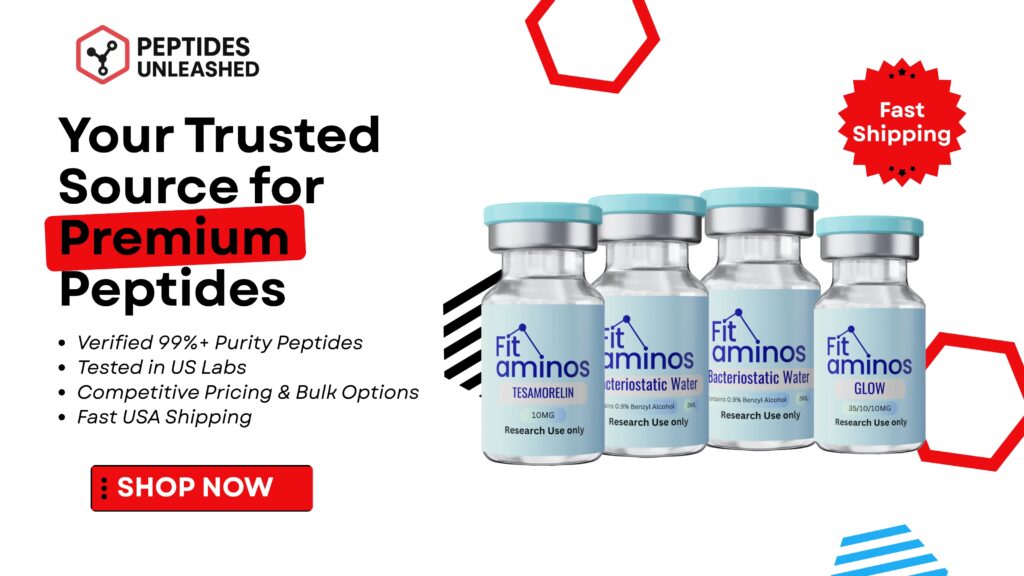
Biotech Peptides presents itself as a supplier of research-grade peptides. The company claims high purity levels and lab testing methods such as HPLC, which are standard in chemical analysis.
All their products are labeled for “research use only,” which is not just a formality—it’s a legal boundary.
What That Actually Means
When a product is sold for research purposes only, it means there is no guarantee of safety, no regulatory approval, and no obligation for the company to prove effectiveness in humans. If you’re buying these products for personal use, you are stepping outside the intended use and taking full responsibility for the risks.
Biotech Peptides Reviews: What Customers Really Say
Customer feedback around Biotech Peptides is inconsistent. Some buyers report smooth transactions and acceptable product quality, while others highlight serious issues.
Instead of listing random opinions, here’s a clearer breakdown:
Review Summary Table
| Factor | Positive Feedback | Negative Feedback |
|---|---|---|
| Delivery | Orders arrive on time in some cases | Reports of delayed or missing shipments |
| Product Quality | Some users claim expected results | Others report no effects or low quality |
| Customer Support | Responsive before purchase | Poor response after payment |
| Trust Level | Seen as usable by some buyers | Accusations of unreliability or scams |
The Honest Interpretation
This is not a trustworthy, consistent reputation. When a company has such mixed feedback, it means outcomes are unpredictable. You might get what you expect—or you might waste your money.

The Bigger Problem: The Peptide Industry
Lack of Regulation
The biggest issue isn’t just Biotech Peptides—it’s the entire industry. Most peptides sold online are not approved by regulatory authorities and are not backed by large-scale human trials. They exist in a gray market where quality and safety are not guaranteed.
Safety Concerns
Using unregulated peptides can lead to hormonal imbalances, contamination risks, incorrect dosing, and unknown long-term health effects. The absence of proper oversight makes these products unpredictable.
To put it simply, you are experimenting on your own body without reliable data.
Quality Control Issues
Another major concern is product authenticity. Without independent lab testing, there is no way to confirm whether the peptide matches its label. Mislabeling and impurities are common concerns in this space.
Are Biotech Peptides Legit or a Scam?
A Gray-Area Business
Biotech Peptides is not clearly a scam, but it is also not a fully reliable or medically trusted supplier. Some customers receive products and report decent experiences, but that alone doesn’t validate safety or effectiveness.
Key Concerns at a Glance
| Issue | Reality Check |
|---|---|
| Legitimacy | Mixed reputation |
| Safety | Not medically approved |
| Product Reliability | Inconsistent based on reviews |
| Regulation | Largely unregulated |
Bottom Line
It operates in a gray zone where risk is high and certainty is low. That’s not where you want to put your money or your health.
Are Peptides Worth It at All?
What Science Supports
Peptides do have real medical applications, but most of the peptides sold online lack strong human research. The benefits you see advertised are often exaggerated or based on early-stage findings.
The Hard Truth
If you’re buying peptides online for muscle gain, fat loss, or anti-aging, you are relying more on marketing than proven science. The results are uncertain, and the risks are real.
Safer Alternatives That Actually Work
Instead of chasing unregulated peptides, focusing on fundamentals delivers more reliable results. Structured training, proper nutrition, adequate protein intake, and consistent sleep have far stronger evidence behind them.
These methods may not sound exciting, but they are predictable, safe, and proven over time.
Final Verdict
Biotech Peptides are not worth the hype for most people.
The combination of mixed reviews, lack of regulation, safety concerns, and weak scientific backing makes them a risky choice. While some users may report positive outcomes, those experiences are not reliable enough to justify the risk.
If you’re serious about results, you need consistency and proven methods—not uncertainty.
FAQs
Are Biotech Peptides legal?
They are sold legally as research products, but using them for personal consumption may not be legally or medically approved depending on your region.
Do Biotech Peptides actually work?
Some users report results, but there is no strong scientific evidence supporting most peptides sold online.
Are peptides safe?
Only clinically approved peptides are considered safe. Most online peptides are unregulated and carry potential risks.
Why are peptides so popular?
Their popularity is driven by marketing, influencer promotion, and the promise of fast results rather than strong scientific backing.
Can online peptide sellers be trusted?
Trust is limited. Without independent verification, product quality and authenticity remain uncertain.
References
Achilleos, K. (2025). Beyond efficacy: Ensuring safety in peptide therapeutics. National Library of Medicine. https://pmc.ncbi.nlm.nih.gov/articles/PMC12010466/
Business Insider. (2026). Aging mistakes doctors say to avoid. https://www.businessinsider.com/aging-mistakes-longevity-experts-doctors-scientists-avoid-2026-4
The Guardian. (2026). What are peptides and are they safe? https://www.theguardian.com/science/2026/apr/04/what-are-peptides-safety-wellness-products-online
Health.com. (2026). Are peptide injections safe and effective? https://www.health.com/are-peptide-injections-effective-safe-11925699
