
Tirzepatide (GLP-2T) 30mg – Dosage Protocol
Contents
- Quickstart Highlights
- Dosing & Reconstitution Guide
- Standard / Gradual Approach (3.0 mL = 100 mg/mL)
- Reconstitution Steps
- Supplies Needed
- Protocol Overview
- Dosing Protocol
- Storage Instructions
- Important Notes
- How This Works
- Potential Benefits & Side Effects
- Lifestyle Factors
- Injection Technique
- Recommended Source
- Important Note
- References
Quickstart Highlights
GLP-2T is a synthetic analog of glucagon-like peptide-2 (GLP-2), developed for enhanced stability and prolonged activity in laboratory research environments. GLP-2 is an intestinal trophic hormone naturally involved in gastrointestinal signaling, epithelial maintenance, and nutrient absorption pathways.
This peptide is commonly studied for its interaction with GLP-2 receptors, particularly in models related to intestinal growth, mucosal integrity, and gut barrier function.
- Category: GLP-2 analog peptide
- Use Case: Gastrointestinal and epithelial signaling research
- Format: Lyophilized powder
- Available Sizes: 10mg and 30mg vials
- Storage: Refrigerate after reconstitution

Dosing & Reconstitution Guide
Educational guide for reconstitution and daily dosing
Standard / Gradual Approach (Example – 3.0 mL Reconstitution)
| Week | Daily Dose (mcg) | Units (U-100) | Volume (mL) |
|---|---|---|---|
| Weeks 1–2 | 100 mcg | 3 units | 0.03 mL |
| Weeks 3–4 | 150 mcg | 4.5 units | 0.045 mL |
| Weeks 5–8 | 200 mcg | 6 units | 0.06 mL |
Frequency: Once daily (subcutaneous)
Note: Larger doses (>1.0 mL) may be split into two injections for improved comfort.
Reconstitution Steps
- Draw 3.0 mL bacteriostatic water using a sterile syringe
- Inject slowly into the vial (avoid direct powder impact)
- Gently swirl until dissolved (do not shake)
- Store refrigerated at 2–8°C
- Use within 4 weeks
Important: This guide is for educational purposes only and is not medical advice. For research use only. Not for human consumption.
Supplies Needed
Peptide Vials (10 mg each):
- 8 weeks: ~3 vials
- 12 weeks: ~4 vials
- 16 weeks: ~5 vials
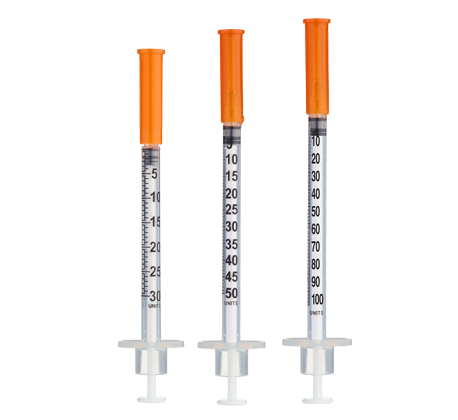
Insulin Syringes (U-100):
- 1 per day
- 8 weeks: 56 syringes
- 12 weeks: 84 syringes
- 16 weeks: 112 syringes
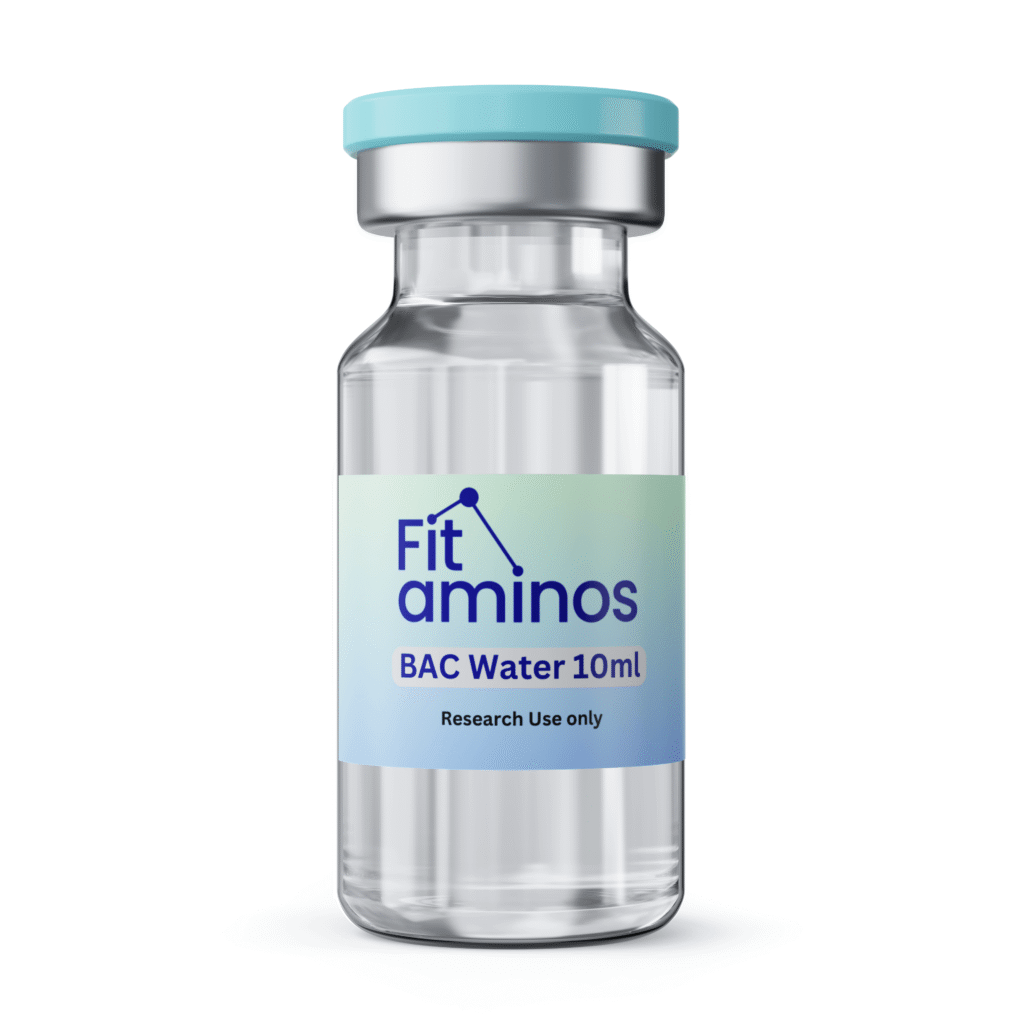
Bacteriostatic Water:
- ~3.0 mL per vial
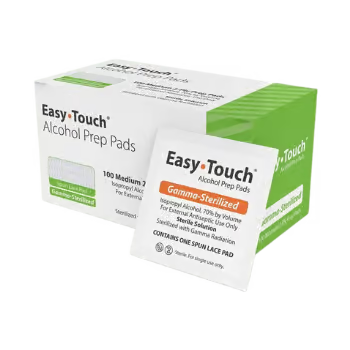
Alcohol Swabs:
- 2 per day (vial + injection site)
Protocol Overview
- Goal: Support recovery, tissue regeneration, and inflammation control
- Schedule: Daily injections for 8–12 weeks
- Approach: Gradual dose escalation, then maintenance phase
- Reconstitution: 3.0 mL per vial for accurate dosing
- Storage: Refrigerated after mixing
Dosing Protocol
- Begin with a low daily dose during the initial 1–2 weeks to assess response
- Gradually increase dosage over time based on research requirements
- Typical range progresses from 100 mcg → 200 mcg daily
- Frequency: Once daily administration
- Route: Subcutaneous injection
- Maintain a consistent daily schedule for stable exposure
- Continue protocol for 8–12 weeks, with optional extension depending on study design
- Rotate injection sites regularly to maintain consistency and reduce local irritation
Storage Instructions
Proper storage is essential to maintain peptide stability and integrity.
- Lyophilized (Unmixed): Store in a freezer at approximately −20°C (−4°F) for long-term preservation. If freezing is not available, refrigeration (2–8°C) is acceptable for shorter durations. Keep in a dry, dark environment away from moisture.
- After Reconstitution: Store the solution in a refrigerator at 2–8°C (35.6–46.4°F) at all times. Do not freeze once mixed.
- Shelf Life: Use within 28 days after reconstitution for optimal stability and reliability. Discard any remaining solution after this period.
Important Notes
Key considerations for consistency, handling, and research accuracy.
- Always use a new, sterile insulin syringe for each administration; do not reuse needles
- Follow proper aseptic technique: clean both the vial stopper and injection site with separate alcohol swabs and allow to dry fully
- Rotate injection sites (abdomen, thighs, upper arms) to reduce irritation and avoid tissue buildup
- Administer injections slowly and steadily, allowing a few seconds before withdrawing the needle
- Keep a record of dosing, timing, and injection sites to maintain consistency throughout the protocol
- Do not use the solution if it appears cloudy, discolored, or contains visible particles
- Store and handle peptides according to recommended conditions to preserve stability
How This Works
GLP-2T functions by interacting with GLP-2 receptors located primarily in the gastrointestinal tract.
- Receptor Activation: Initiates signaling pathways involved in epithelial growth and mucosal support
- Intestinal Modeling: Studied for effects on villus height, crypt cell activity, and tissue structure
- Barrier Function: Supports research into epithelial integrity and permeability regulation
- Enhanced Stability: Modified structure allows longer activity compared to native GLP-2
Potential Benefits & Considerations
Potential Research Benefits
- Supports intestinal epithelial growth modeling
- Studied for gut barrier integrity and permeability
- May assist in nutrient absorption pathway analysis
- Explored in gut–immune interaction models
- Useful in gastrointestinal hormone signaling research
Considerations
- Intended strictly for research environments
- Limited human clinical data
- Outcomes depend on study design and protocol
Lifestyle Factors
- Maintain a balanced, nutrient-rich diet to support gastrointestinal function and overall metabolic processes
- Ensure adequate hydration, as fluid balance plays a role in digestive and absorption pathways
- Prioritize sleep quality, which supports systemic regulation and recovery processes
- Manage stress levels, as stress can influence gut-related signaling and hormone balance
- Incorporate light physical activity to support circulation and general metabolic health
- Avoid highly processed foods when focusing on gut-related research models
Injection Technique
General guidance for subcutaneous administration:
- Clean the vial stopper and injection area with alcohol and allow to dry
- Gently pinch the skin and insert the needle at a 45–90° angle
- Inject slowly and steadily without aspirating
- Hold the needle in place for a few seconds before removing
- Rotate injection sites (abdomen, thighs, upper arms) to reduce irritation
Recommended Source
We recommend Fit Aminos for high-purity research peptide products.
Why Fit Aminos?
- High-purity, lab-tested peptide batches with quality verification.
- Consistent handling and preparation processes designed to support reliable research protocols.
- Transparent sourcing and dependable fulfillment for research-grade compounds.
Important Note
This content is intended for educational and research purposes only and does not constitute medical advice, diagnosis, or treatment. GLP-2T (10mg-30mg) remains an investigational peptide with limited human clinical data. For research use only. Not for human consumption.
References
PubMed— Glucagon-like peptide 2 (GLP-2), an intestinotrophic mediator…
PubMed— Thymosin β4 promotes dermal healing in preclinical models and clinical trials
PMC— Emerging use of BPC-157 in orthopaedic sports medicine: systematic review
PMC— Pharmacokinetics, distribution, metabolism, and excretion of BPC-157 in rats and dogs
PMC— PepT1-mediated tripeptide KPV uptake reduces intestinal inflammation