
Semaglutide (GLP-1S) 5mg Vial Dosage Protocol
Contents
- Quickstart Highlights
- Dosing & Reconstitution Guide
- Standard / Gradual Titration (2 mL = ~2.5 mg/mL)
- Reconstitution Steps
- Supplies Needed
- Protocol Overview
- Dosing Protocol
- Storage Instructions
- Important Notes
- How This Works
- Potential Benefits & Side Effects
- Lifestyle Factors
- Injection Technique
- Recommended Source
- Important Note
- References
Quickstart Highlights
Semaglutide is a GLP-1 receptor agonist with an extended half-life of about 7 days, making it suitable for once-weekly subcutaneous administration. It is commonly used to support weight management and glycemic control. This protocol outlines a gradual dose escalation from 0.25 mg to 2.4 mg over 16+ weeks, using a practical dilution to allow accurate dosing with an insulin syringe.
Reconstitution: Add 2.0 mL of bacteriostatic water to achieve a concentration of ~2.5 mg/mL.
Weekly Dose Range: 0.25–2.4 mg (250–2400 mcg), administered once weekly with gradual titration.
Measurement Guide: At 2.5 mg/mL, 1 unit (0.01 mL) equals approximately 25 mcg on a U-100 insulin syringe.
Storage: Keep the lyophilized powder frozen at −20 °C (−4 °F). After reconstitution, store in the refrigerator at 2–8 °C (35.6–46.4 °F) and use within 28 days.
Dosing & Reconstitution Guide
Educational guide for reconstitution and daily dosing
Standard / Gradual Titration (2 mL = ~2.5 mg/mL)
| Week | Weekly Dose | Units (per injection) (mL) |
|---|---|---|
| Weeks 1–4 | 250 mcg (0.25 mg) | 10 units (0.10 mL) |
| Weeks 5–8 | 500 mcg (0.5 mg) | 20 units (0.20 mL) |
| Weeks 9–12 | 1000 mcg (1.0 mg) | 40 units (0.40 mL) |
| Weeks 13–16 | 1700 mcg (1.7 mg) | 68 units (0.68 mL) |
| Weeks 17+ (Maintenance) | 2400 mcg (2.4 mg) | 96 units (0.96 mL) |
Frequency: Inject once weekly, subcutaneously, on the same day. Administer at any time, with or without meals. Rotate injection sites to reduce irritation.
Reconstitution Steps
- Draw 2.0 mL bacteriostatic water with a sterile syringe.
- Inject slowly along the vial wall; avoid foaming.
- Gently swirl or roll until fully dissolved; do not shake.
- Label with reconstitution date and refrigerate at 2–8 °C, protected from light.
- Use within 28 days.
Important: This guide is for educational purposes only and is not medical advice. For research use only. Not for human consumption.
Supplies Needed
Estimated quantities based on a once-weekly titration schedule.
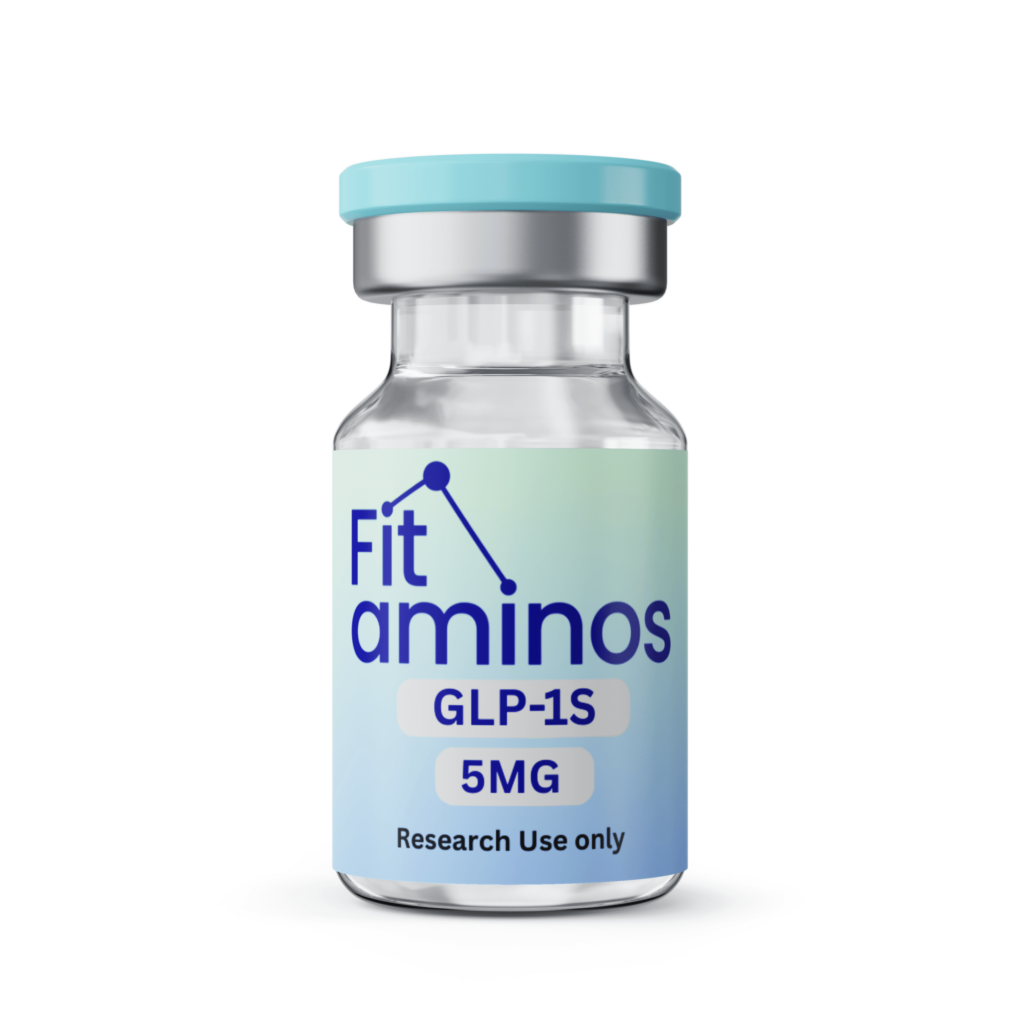
Peptide Vials (Semaglutide, 5 mg each):
- 8 weeks: ~1 vial (≈3 mg total usage)
- 12 weeks: ~2 vials (≈7 mg total usage)
- 16 weeks: ~3 vials (≈13.8 mg total usage)
- 20 weeks: ~5 vials (≈23.4 mg total usage, including maintenance phase)
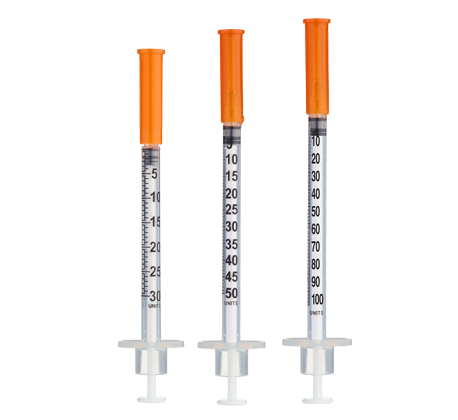
Insulin Syringes (U-100):
- Usage: 1 syringe per week
- 8 weeks: 8 syringes
- 12 weeks: 12 syringes
- 16 weeks: 16 syringes
- 20 weeks: 20 syringes
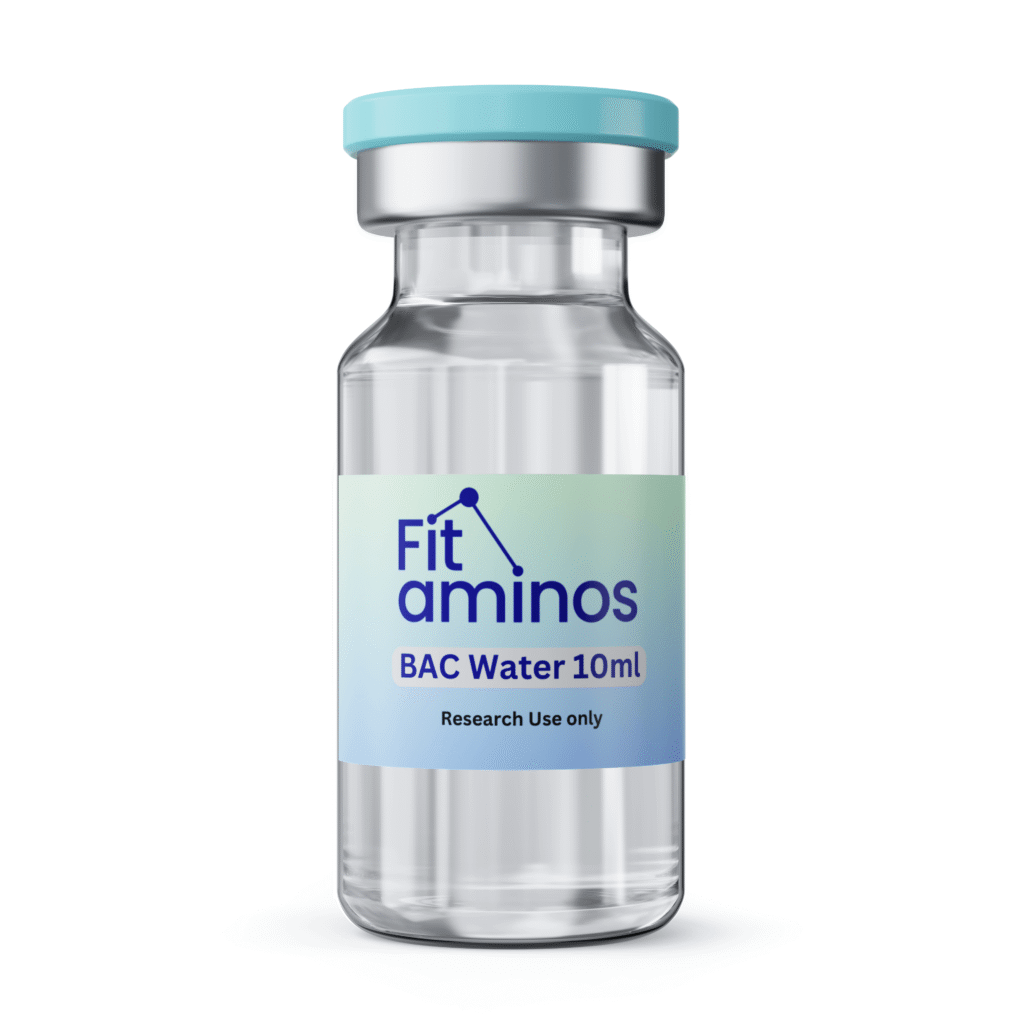
Bacteriostatic Water (10 mL bottles):
Use approximately 2.0 mL per vial for reconstitution.
- 8 weeks (1 vial): 2 mL → 1 bottle
- 12 weeks (2 vials): 4 mL → 1 bottle
- 16 weeks (3 vials): 6 mL → 1 bottle
- 20 weeks (5 vials): 10 mL → 1 bottle
Note: Bacteriostatic water should be used within 28 days after opening.
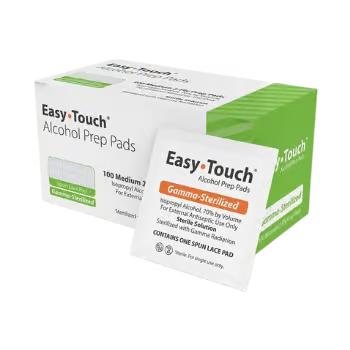
Alcohol Swabs:
Use one swab for the vial stopper and one for the injection site per administration.
- Weekly: 2 swabs
- 8 weeks: 16 swabs
- 12 weeks: 24 swabs
- 16 weeks: 32 swabs
- 20 weeks: 40 swabs
Recommendation: A single 100-count box is sufficient for all durations up to 20 weeks.
Protocol Overview
- Goal: Chronic weight management and glycemic control via GLP-1 receptor activation.
- Schedule: Weekly subcutaneous injections for 16–20+ weeks.
- Dose Range: 0.25–2.4 mg weekly, escalated every 4 weeks to improve tolerability.
- Reconstitution: 2.0 mL per 5 mg vial for precise dosing.
- Storage: Freeze lyophilized powder; refrigerate reconstituted solution; use within 28 days.
Dosing Protocol
- Weeks 1–4: 250 mcg (0.25 mg)
- Weeks 5–8: 500 mcg (0.5 mg)
- Weeks 9–12: 1000 mcg (1.0 mg)
- Weeks 13–16: 1700 mcg (1.7 mg)
- Weeks 17+ (Maintenance): 2400 mcg (2.4 mg)
Storage Instructions
Proper storage is essential to maintain the quality and effectiveness of the peptide.
- Lyophilized (unmixed): Keep refrigerated at 2–8°C (35.6–46.4°F). Some newer formulations (such as Egrifta SV) may remain stable at room temperature (20–25°C / 68–77°F) before mixing.
- After reconstitution (with bacteriostatic water): Store in the refrigerator at 2–8°C and use within 7 days.
- After reconstitution (with sterile water): Use immediately and discard any remaining solution.
- Avoid freezing the mixed solution and do not subject it to repeated freeze–thaw cycles.
Important Notes
- Use a new sterile insulin syringe (27–30G) for each injection
- Dispose of all sharps safely after use
- Rotate injection sites to minimize irritation or tissue buildup
- Inject slowly and wait briefly before removing the needle
- Common temporary effects may include nausea, flushing, or mild headache
- Keeping a simple log of dose and injection site can help maintain consistency
How This Works
Semaglutide is a GLP‑1 receptor agonist with high similarity to natural human GLP‑1. It promotes weight loss through multiple mechanisms: reducing appetite and food intake via the central nervous system, slowing gastric emptying, and improving blood sugar control through glucose-dependent insulin secretion. Its extended half-life of approximately 7 days allows for convenient once-weekly dosing. Clinical studies have shown that, when combined with lifestyle interventions, semaglutide can result in 10–15% average body weight reduction in individuals with obesity. The weekly 2.4 mg maintenance dose is the standard approved regimen for chronic weight management.
Potential Benefits & Considerations
Potential Benefits:
- Significant weight loss, with an average reduction of 10–15% of body weight when combined with lifestyle modifications.
- Improved blood sugar control through enhanced glucose-dependent insulin secretion and reduced glucagon levels.
- Reduced appetite and food intake via effects on the central nervous system.
- Cardiovascular benefits, including a reduced risk of major adverse cardiovascular events.
- Convenient once-weekly dosing improves adherence compared to daily regimens.
Potential Side Effects:
- Gastrointestinal effects are the most common, including nausea, vomiting, diarrhea, constipation, and abdominal pain. These are typically mild to moderate and often decrease with gradual dose escalation.
- Injection-site reactions such as redness, swelling, or irritation, generally mild and temporary.
- Hypoglycemia risk is low with semaglutide alone but may increase if combined with insulin or sulfonylureas.
- Rare serious adverse events may include pancreatitis, gallbladder disease, or acute kidney injury; animal studies have shown thyroid C-cell tumors, though relevance to humans is uncertain.
Lifestyle Factors
For optimal outcomes, consider combining with supportive habits:
- Maintain consistent sleep (7–9 hours per night)
- Engage in regular physical activity
- Practice stress management (meditation, breathing exercises)
- Ensure proper nutrition (protein, omega-3s, micronutrients)
- Limit alcohol and excessive stimulant intake
Injection Technique
- Wash hands and prepare a clean surface
- Clean vial stopper with alcohol swab
- Draw correct dosage into syringe and remove air bubbles
- Clean injection site and allow to dry
- Pinch skin and inject at a 90° angle
- Inject slowly and steadily
- Remove needle and apply gentle pressure if needed
- Dispose of syringe safely (do not reuse)
- Rotate injection sites regularly
Recommended Source
We recommend Fit Aminos for high-purity research peptide products.
Why Fit Aminos?
- High-purity, lab-tested peptide batches with quality verification.
- Consistent handling and preparation processes designed to support reliable research protocols.
- Transparent sourcing and dependable fulfillment for research-grade compounds.
Important Note
This content is intended for educational and research purposes only and does not constitute medical advice, diagnosis, or treatment.
GLP-1S remains an investigational peptide with limited human clinical data. For research use only. Not for human consumption.
References
PMC – Once-Weekly Semaglutide for Weight Management: A Clinical Review
— Comprehensive review of Semaglutide’s mechanism, efficacy, and safety in weight management (clinical data, half-life, GLP-1 receptor activation, weekly dosing)
PubMed – Semaglutide for Weight Loss in Obesity
— Clinical trial data on Semaglutide efficacy and safety for chronic weight management
NCBI Bookshelf – Semaglutide (StatPearls)
— Comprehensive pharmacology, clinical uses, dosing strategies, adverse effects, and contraindications for Semaglutide
Mayo Clinic – Semaglutide (Subcutaneous Route)
— Clinical guidance on Semaglutide administration, side effects, dosing, and patient information including weekly protocol