NAD+ 500mg – Dosage Protocol
Contents
- Quickstart Highlights
- Dosing & Reconstitution Guide
- Standard / Gradual Approach
- Reconstitution Steps
- Supplies Needed
- Protocol Overview
- Dosing Protocol
- Storage Instructions
- Important Notes
- How This Works
- Potential Benefits & Side Effects
- Lifestyle Factors
- Injection Technique
- Recommended Source
- Important Note
- References
Quickstart Highlights
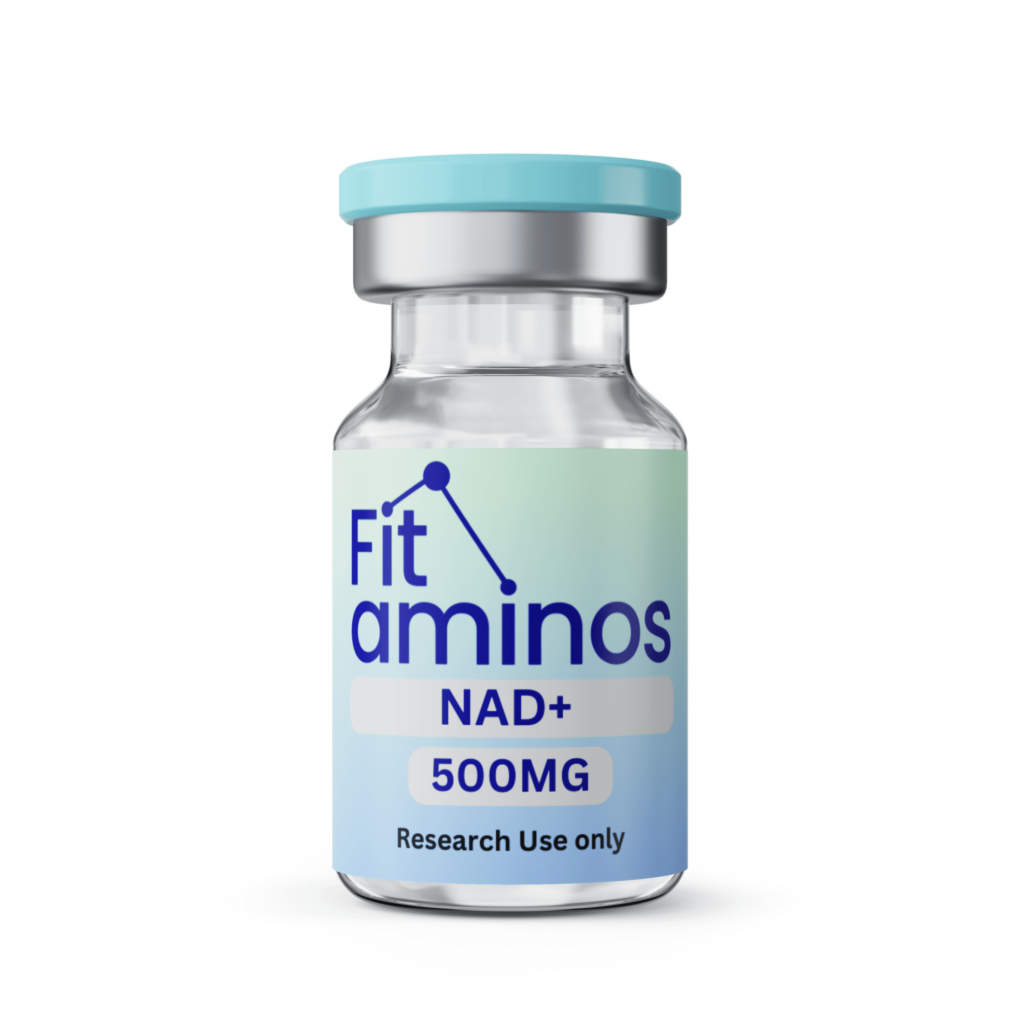
NAD+ (Nicotinamide Adenine Dinucleotide) is an essential coenzyme involved in cellular energy production, mitochondrial function, and DNA repair processes. It plays a key role in metabolic pathways and overall cellular maintenance.
While clinical applications have traditionally focused on high-dose intravenous (IV) administration, lower-dose subcutaneous protocols are increasingly explored in research settings as a more practical and consistent approach.
This protocol outlines a once-daily subcutaneous dosing strategy with gradual titration, designed to support tolerability and consistency in controlled environments.
- Reconstitution: Add 3.0 mL bacteriostatic water → 166.7 mg/mL concentration
- Typical Range: 50–100 mg daily (gradual increase recommended)
- Measurement Guide:
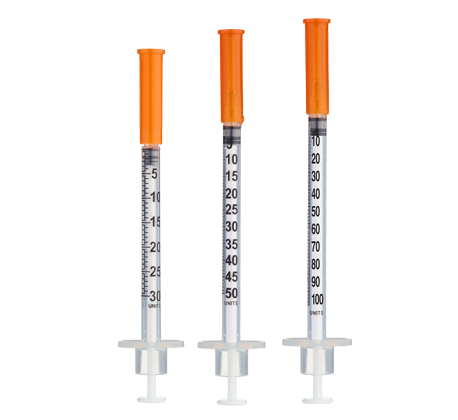
- 1 unit (U-100 syringe) = 0.01 mL ≈ 1.67 mg
- Administration: Subcutaneous injection, once daily
- Storage:
- Lyophilized: Store frozen
- Reconstituted: Refrigerate (2–8°C) and use within 14 days
Dosing & Reconstitution Guide
Educational guide for reconstitution and daily dosing
Standard / Gradual Titration Approach (3 mL = 166.7 mg/mL)
| Week | Daily Dose (mg) | Units (U-100) | Volume (mL) |
|---|---|---|---|
| Week 1 | 50 mg | 30 units | 0.30 mL |
| Week 2 | 75 mg | 45 units | 0.45 mL |
| Weeks 3–8 | 100 mg | 60 units | 0.60 mL |
| Weeks 9–12 | 100 mg | 60 units | 0.60 mL |
| Weeks 13–16 | 100 mg | 60 units | 0.60 mL |
Frequency:
NAD+ is typically administered once daily via subcutaneous injection. This gradual titration protocol begins with a lower starting dose (50 mg) to assess individual tolerance, then increases incrementally to reach a maintenance range of 75–100 mg per day.
Using a 3.0 mL reconstitution volume allows for practical injection volumes and accurate measurement using a standard U-100 insulin syringe. Maintaining a consistent daily schedule is recommended to support stable levels throughout the protocol duration.
Reconstitution Steps
- Draw 2.0 mL bacteriostatic water using a sterile syringe
- Inject slowly into the vial (avoid direct powder impact)
- Gently swirl until dissolved (do not shake)
- Store refrigerated at 2–8°C
- Use within 4 weeks
Important: This guide is for educational purposes only and is not medical advice. For research use only. Not for human consumption.
Supplies Needed
The following estimates are based on an 8–16 week daily protocol with gradual dose titration as outlined above.
Peptide Vials (NAD+, 500 mg each)
- 8 weeks: Approximately 11 vials (total ~5,075 mg used)
- 12 weeks: Approximately 16 vials (total ~7,875 mg used)
- 16 weeks: Approximately 22 vials (total ~10,675 mg used)
Insulin Syringes (U-100, 1 mL)
- Weekly usage: 7 syringes (one per day)
- 8 weeks: 56 syringes
- 12 weeks: 84 syringes
- 16 weeks: 112 syringes
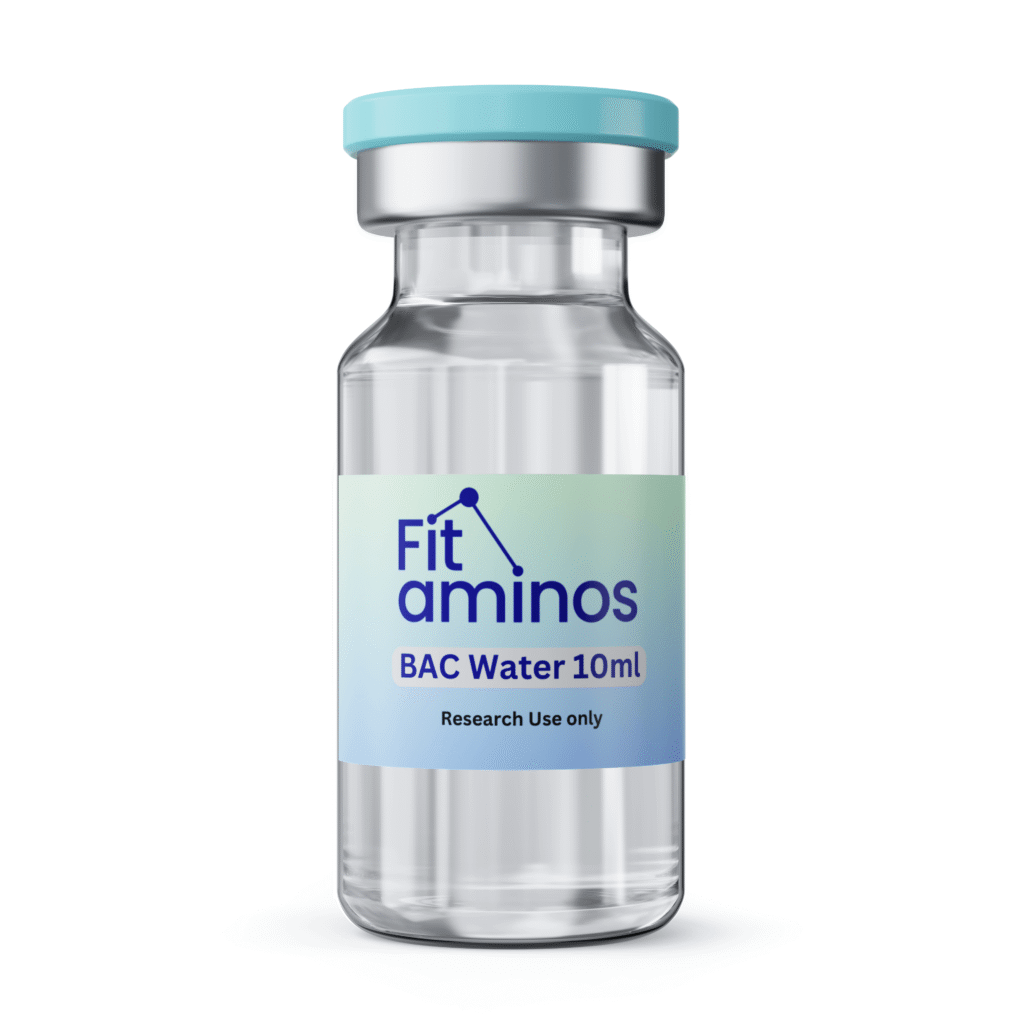
Bacteriostatic Water (10 mL bottles)
Each vial requires 3.0 mL for proper reconstitution.
- 8 weeks (11 vials): 33 mL total → 4 × 10 mL bottles
- 12 weeks (16 vials): 48 mL total → 5 × 10 mL bottles
- 16 weeks (22 vials): 66 mL total → 7 × 10 mL bottles
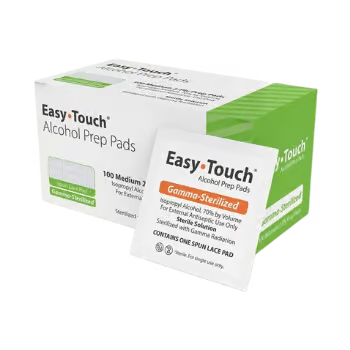
Alcohol Swabs
Use two swabs per day — one for the vial stopper and one for the injection site.
- Weekly usage: 14 swabs
- 8 weeks: 112 swabs → recommended 2 × 100-count boxes
- 12 weeks: 168 swabs → recommended 2 × 100-count boxes
- 16 weeks: 224 swabs → recommended 3 × 100-count boxes
Protocol Overview
- Goal: Support cellular energy pathways, mitochondrial activity, and metabolic function
- Duration: 8–16 weeks
- Dosing Strategy: Gradual titration to improve tolerance
- Frequency: Once daily
- Starting Dose: 50 mg per day
- Maintenance Range: 75–100 mg daily depending on response
Dosing Protocol
- Start with a low daily dose (100 mcg) during the initial phase
- Gradually increase to 150 mcg, then 200 mcg daily as needed
- Frequency: Once daily
- Administration: Subcutaneous injection
- Maintain consistent timing each day
- Typical protocol duration: 8–12 weeks
- Rotate injection sites regularly
Storage Instructions
Proper storage is essential to maintain peptide stability and integrity.
- Lyophilized (Unmixed): Store in a freezer at approximately −20°C (−4°F) for long-term preservation. If freezing is not available, refrigeration (2–8°C) is acceptable for shorter durations. Keep in a dry, dark environment away from moisture.
- After Reconstitution: Store the solution in a refrigerator at 2–8°C (35.6–46.4°F) at all times. Do not freeze once mixed.
- Shelf Life: Use within 28 days after reconstitution for optimal stability and reliability. Discard any remaining solution after this period.
Important Notes
Key considerations for consistency, handling, and research accuracy.
- Always use a new, sterile insulin syringe for each administration; do not reuse needles
- Follow proper aseptic technique: clean both the vial stopper and injection site with separate alcohol swabs and allow to dry fully
- Rotate injection sites (abdomen, thighs, upper arms) to reduce irritation and avoid tissue buildup
- Administer injections slowly and steadily, allowing a few seconds before withdrawing the needle
- Keep a record of dosing, timing, and injection sites to maintain consistency throughout the protocol
- Do not use the solution if it appears cloudy, discolored, or contains visible particles
- Store and handle peptides according to recommended conditions to preserve stability
How This Works
NAD+ functions as a key coenzyme in redox reactions and ATP production, playing an essential role in:
- Cellular energy metabolism
- Mitochondrial activity
- DNA repair pathways
- Cellular resilience and recovery
Declining NAD+ levels over time have been associated with reduced cellular efficiency, which is why it remains a focus in metabolic and longevity-related research.
Potential Benefits & Considerations
Potential Benefits
- Supports energy metabolism and ATP production
- May enhance mitochondrial function
- Contributes to cellular repair processes
- May support cognitive and metabolic performance
Potential Considerations
- Gradual dosing is recommended to minimize side effects
- Some individuals may experience mild fatigue, restlessness, or headaches
- Injection site irritation may occur
- Response can vary depending on dose and individual sensitivity
Lifestyle Factors
- Follow a balanced diet to support metabolic and endocrine pathways
- Maintain proper hydration for optimal physiological function
- Prioritize sleep and recovery to support hormonal balance
- Engage in regular physical activity to complement metabolic research models
- Manage stress levels, as stress can impact hormone signaling
- Avoid excessive processed foods when focusing on metabolic studies
Injection Technique
General guidance for subcutaneous administration based on established clinical practices.
Preparation
- Wash hands thoroughly using soap and water before handling supplies
- Clean the vial stopper with an alcohol swab and allow it to air dry
- Choose an injection site such as the abdomen (at least 2 inches from the navel), outer thigh, or back of the upper arm
- Clean the selected area with an alcohol swab and allow the skin to fully dry before injecting
Needle Selection
- Use a fine, short insulin syringe (28–31 gauge) for comfort and precision
- A needle length of 5/16 to 1/2 inch (8–12 mm) is generally suitable for subcutaneous injections
- Standard U-100 insulin syringes (1 mL) are appropriate for the typical injection volumes used in this protocol
Injection Procedure
- Gently pinch a fold of skin between your fingers to target subcutaneous tissue
- Insert the needle at approximately a 45° angle into the pinched skin
- (For very short needles, a 90° angle may be used if appropriate)
- Do not aspirate when performing subcutaneous injections
- Inject the solution slowly and steadily over 5–10 seconds to minimize discomfort
- After completing the injection, wait a few seconds before removing the needle at the same angle
- Apply light pressure with a clean swab or bandage if needed — avoid rubbing the area
- Dispose of the used syringe immediately in a proper sharps container
Site Rotation
- Rotate injection sites regularly to help prevent irritation, soreness, or tissue buildup
- Alternate between different areas (left/right abdomen or different quadrants) when injecting daily
- The abdomen is commonly preferred due to its consistent fat layer and lower sensitivity
- The outer thigh and upper arm can also be used as alternative sites
Volume Considerations
- Typical injection volumes range from 0.30 mL to 0.60 mL per dose
- Subcutaneous tissue can generally accommodate up to 1.5 mL per injection comfortably
- For higher doses, splitting the dose into two separate injection sites may improve comfort and absorption
Recommended Source
We recommend Fit Aminos for high-purity research peptide products.
Why Fit Aminos?
- High-purity, lab-tested peptide batches with quality verification.
- Consistent handling and preparation processes designed to support reliable research protocols.
- Transparent sourcing and dependable fulfillment for research-grade compounds.
Important Note
This content is intended for educational and research purposes only and does not constitute medical advice, diagnosis, or treatment. NAD+ 500mg remains an investigational peptide with limited human clinical data. For research use only. Not for human consumption.
References
Pharmaceuticals (Basel) — Clinical evidence for targeting NAD+ therapeutically: metabolic pathways and therapeutic potential
Current Psychiatry Research and Reviews— NAD+ and enkephalinase infusions attenuate burden in substance use disorder (pilot of 50 cases)
Fagron Academy (US) — NAD+ dosing review: routes, protocols, and case study insights from clinical practice
Jinfiniti (NAD+ Dosage Chart) — NAD+ injection dosage guidance: chart, timing, and safety considerations for titration
Olympia Pharmacy — NAD+ injection (Nicotinamide Adenine Dinucleotide): compounding pharmacy information and dosing guidance