
Glutathione (1500 mg Vial) – Dosage Protocol
Contents
- Quickstart Highlights
- Dosing & Reconstitution Guide
- Standard / Gradual Approach (5.0 mL = 100 mg/mL)
- Reconstitution Steps
- Supplies Needed
- Protocol Overview
- Dosing Protocol
- Storage Instructions
- Important Notes
- How This Works
- Potential Benefits & Side Effects
- Lifestyle Factors
- Injection Technique
- Recommended Source
- Important Note
- References
Quickstart Highlights
Glutathione protocols utilize this powerful intracellular antioxidant tripeptide (γ-L-glutamyl-L-cysteinyl-glycine) to support cellular detoxification, oxidative stress reduction, and redox balance. As one of the body’s most abundant antioxidants, glutathione plays a central role in neutralizing free radicals, supporting liver function, and maintaining immune activity.
This protocol outlines a subcutaneous administration approach using a practical dilution for easy and accurate insulin syringe measurements.
- Reconstitution: Add 5.0 mL bacteriostatic water → 300 mg/mL concentration
- Typical Daily Range: 100–200 mg (gradual titration recommended)
- Easy Measuring: 1 unit (0.01 mL) = 3 mg
- Storage: Refrigerate after reconstitution; avoid freeze–thaw cycles
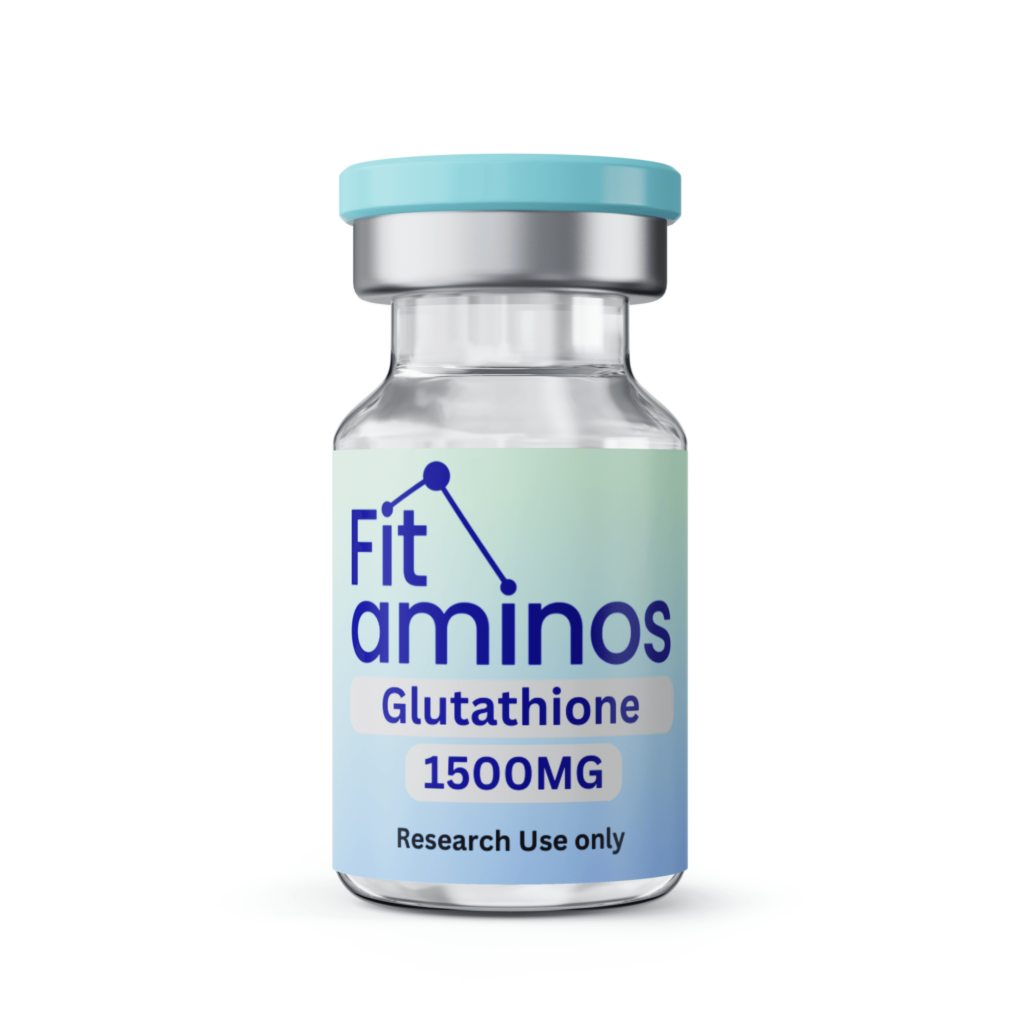
Dosing & Reconstitution Guide
Educational guide for reconstitution and daily dosing
Standard / Gradual Approach (5.0 mL = 300 mg/mL
| Week | Daily Dose (mg) | Units (U-100) | Volume (mL) |
|---|---|---|---|
| Weeks 1–2 | 100 mg | 33 units | 0.33 mL |
| Weeks 3–4 | 150 mg | 50 units | 0.50 mL |
| Weeks 5–8 | 200 mg | 67 units | 0.67 mL |
Frequency: Once daily (subcutaneous)
Note: Larger doses (>1.0 mL) may be split into two injections for improved comfort.
Reconstitution Steps
- Draw 5.0 mL bacteriostatic water with a sterile syringe
- Inject slowly down the vial wall to prevent foaming
- Gently swirl until fully dissolved (do not shake)
- Label vial and refrigerate at 2–8°C
- Protect from light
Important: This guide is for educational purposes only and is not medical advice. For research use only. Not for human consumption.
Supplies Needed
Peptide Vials (1500 mg each):
- 4 weeks ≈ 1–2 vials
- 8 weeks ≈ 2–3 vials
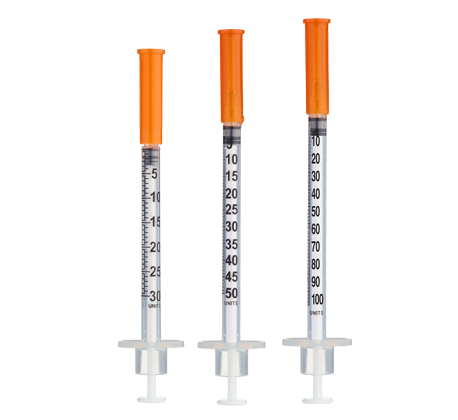
Insulin Syringes (U-100):
- 1 per day
- 4 weeks: 28 syringes
- 8 weeks: 56 syringes
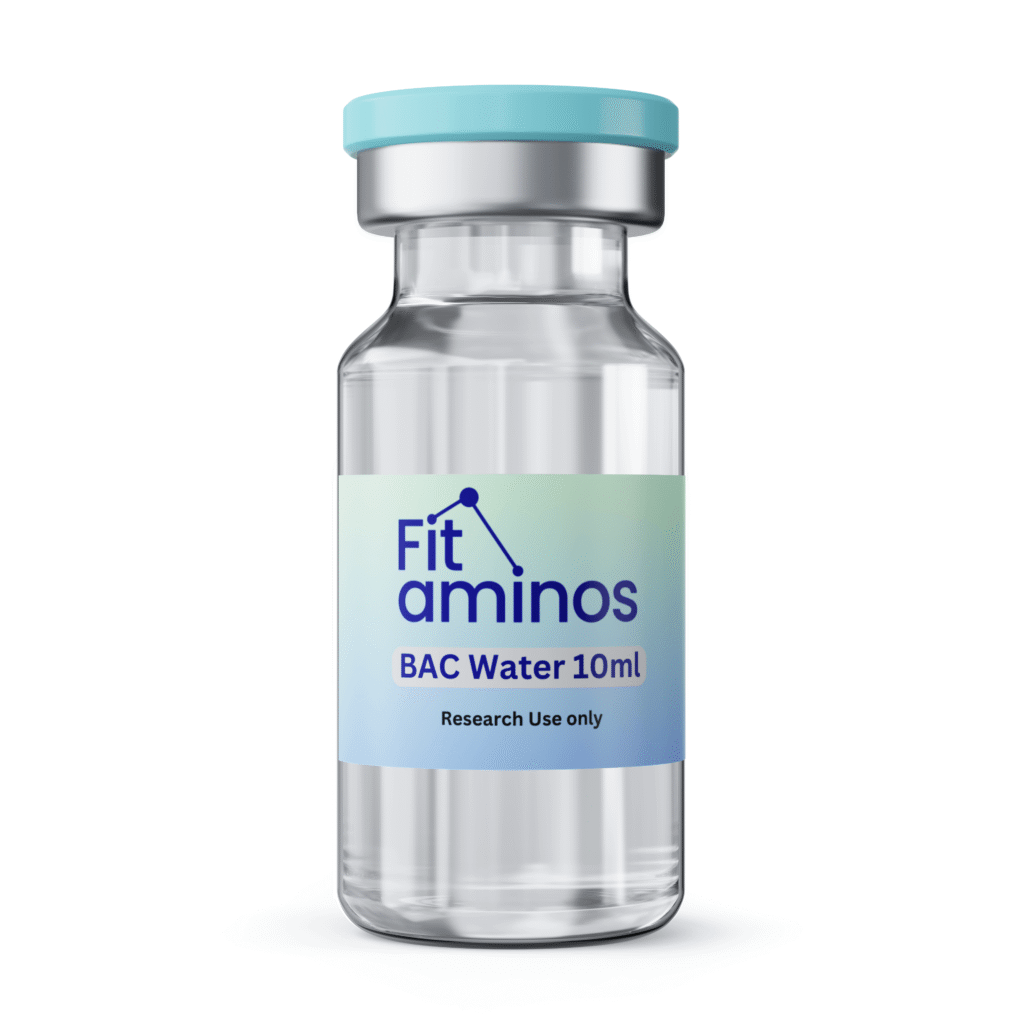
Bacteriostatic Water:
- ~5.0 mL per vial
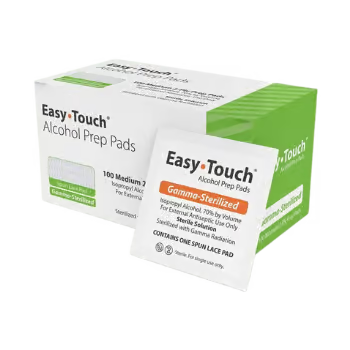
Alcohol Swabs:
- 2 per day
- 4 weeks: 56 swabs
- 8 weeks: 112 swabs
Protocol Overview
- Goal: Support antioxidant defense, detoxification, and cellular protection
- Schedule: Daily or every-other-day subcutaneous injections
- Dose Range: 100–200 mg daily with gradual titration
- Reconstitution: 5.0 mL per 1500 mg vial (300 mg/mL)
- Cycle Length: 4–8 weeks
- Storage: Refrigerate after reconstitution
Dosing Protocol
- Start with 100 mg daily during initial phase
- Increase to 150 mg, then 200 mg daily as needed
- Frequency: Once daily or every-other-day for maintenance
- Maintain consistent timing for best results
- Typical cycle: 4–8 weeks, optional break afterward
- Rotate injection sites regularly
Storage Instructions
- Lyophilized: Store at −20°C in a dry, dark environment
- Reconstituted: Refrigerate at 2–8°C
- Avoid repeated freeze–thaw cycles
- Use within 2–3 weeks for best stability
- Allow vial to reach room temperature before opening
Important Notes
Key considerations for consistency, handling, and research accuracy.
- Always use a new, sterile insulin syringe for each administration; do not reuse needles
- Follow proper aseptic technique: clean both the vial stopper and injection site with separate alcohol swabs and allow to dry fully
- Rotate injection sites (abdomen, thighs, upper arms) to reduce irritation and avoid tissue buildup
- Administer injections slowly and steadily, allowing a few seconds before withdrawing the needle
- Keep a record of dosing, timing, and injection sites to maintain consistency throughout the protocol
- Do not use the solution if it appears cloudy, discolored, or contains visible particles
- Store and handle peptides according to recommended conditions to preserve stability
How This Works
Glutathione (GSH) is the body’s primary intracellular antioxidant, composed of glutamate, cysteine, and glycine. It functions as a key redox regulator, neutralizing reactive oxygen species (ROS) and supporting detoxification pathways.
It also plays an important role in:
- Liver detoxification (Phase II pathways)
- Immune system regulation
- Mitochondrial protection
- Cellular repair and maintenance
The body continuously recycles glutathione between reduced (GSH) and oxidized (GSSG) forms, maintaining cellular balance and defense against oxidative stress.
Potential Benefits & Considerations
Potential Benefits
- Supports oxidative stress reduction
- Promotes liver detoxification pathways
- Enhances immune system function
- May support skin clarity and brightness
- Helps maintain cellular health and longevity
Considerations
- Mild injection-site irritation may occur
- High doses may cause minor discomfort in some cases
- Effects depend on consistency and overall protocol
Lifestyle Factors
- Consume sulfur-rich foods (broccoli, garlic, onions)
- Stay well hydrated
- Limit alcohol intake (depletes glutathione levels)
- Prioritize sleep and stress management
- Consider nutrients like vitamin C and selenium to support recycling
Injection Technique
General guidance for subcutaneous administration:
- Clean the vial stopper and injection area with alcohol and allow to dry
- Gently pinch the skin and insert the needle at a 45–90° angle
- Inject slowly and steadily without aspirating
- Hold the needle in place for a few seconds before removing
- Rotate injection sites (abdomen, thighs, upper arms) to reduce irritation
Recommended Source
We recommend Fit Aminos for high-purity research peptide products.
Why Fit Aminos?
- High-purity, lab-tested peptide batches with quality verification.
- Consistent handling and preparation processes designed to support reliable research protocols.
- Transparent sourcing and dependable fulfillment for research-grade compounds.
Important Note
This content is intended for educational and research purposes only and does not constitute medical advice, diagnosis, or treatment. Glutathione – 1500mg remains an investigational peptide with limited human clinical data. For research use only. Not for human consumption.
References
PubMed— The antioxidant glutathione: protective roles, cofactor functions, and regeneration mechanisms
PubMed— Glutathione and glutathione-dependent enzymes: coordinated defense against oxidative stress
PMC— Glutathione: roles in immune function, detoxification, and clinical applications
PubMed— The interplay of glutathione-related processes in antioxidant defense
PMC— Exploring safety and efficacy of glutathione supplementation: narrative review