
KPV (10 mg Vial) Dosage Protocol
Contents
- Quickstart Highlights
- Dosing & Reconstitution Guide
- Standard Approach (2 mL = 5mg/mL)
- Reconstitution Steps
- Supplies Needed
- Protocol Overview
- Dosing Protocol
- Storage Instructions
- Important Notes
- How This Works
- Potential Benefits & Side Effects
- Lifestyle Factors
- Injection Technique
- Recommended Source
- Important Note
- References
Quickstart Highlights
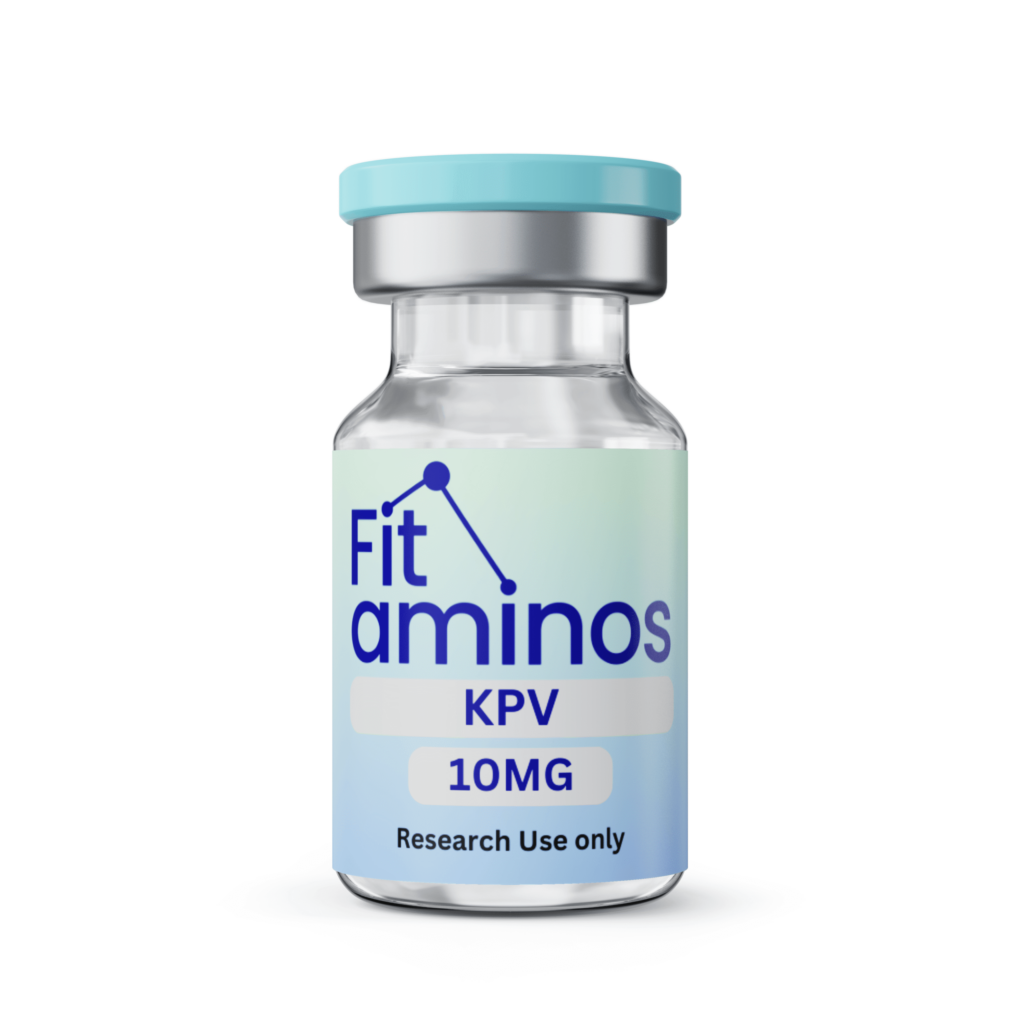
KPV (Lysine–Proline–Valine) is a short tripeptide derived from the C-terminal end of α-melanocyte-stimulating hormone (α-MSH). It has been widely studied for its strong anti-inflammatory effects while lacking the pigmentation-related (melanotropic) activity associated with full α-MSH peptides.
In research models, KPV has demonstrated the ability to reduce key inflammatory cytokines and modulate immune responses, particularly in gastrointestinal and systemic inflammation settings.
- Reconstitution: Add 2.0 mL bacteriostatic water → ~5 mg/mL
- Typical range: 200–500 mcg daily (gradual increase recommended)
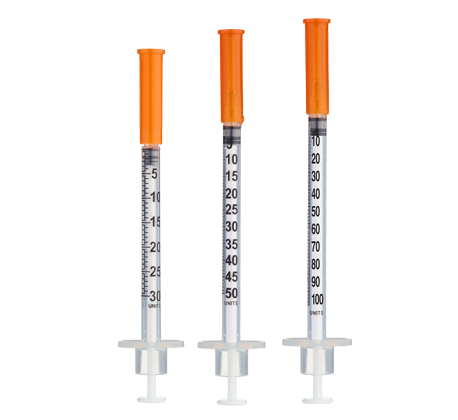
- Measurement: 1 unit (0.01 mL) ≈ 50 mcg (U-100 syringe)
- Storage: Freeze lyophilized; refrigerate after mixing; avoid repeated freeze–thaw
Dosing & Reconstitution Guide
Educational guide for reconstitution and daily dosing
Standard Approach (2 mL = 5 mg/mL)
| Protocol | Daily Dose (mcg) | Units (per injection) |
|---|---|---|
| Week 1 | 250 mcg | 5 units |
| Week 2 | 300 mcg | 6 units |
| Week 3 | 400 mcg | 8 units |
| Weeks 4–8 | 500 mcg | 10 units |
Frequency:
- Administer once daily (subcutaneous)
- Gradual weekly increase helps evaluate response
- 2 mL dilution keeps dosing practical and measurable
For Acute Pain – Take 500 mcg (10) Twice per Day
Reconstitution Steps
- Draw 2.0 mL bacteriostatic water using a sterile syringe
- Inject slowly into the vial (avoid direct powder impact)
- Gently swirl until dissolved (do not shake)
- Store refrigerated at 2–8°C
- Use within 4 weeks
Important: This guide is for educational purposes only and is not medical advice. For research use only. Not for human consumption.
Supplies Needed
Plan structured around an 8–16 week daily protocol, incorporating gradual dose escalation.
Peptide Vials (KPV, 10 mg each):
- 8 weeks: approximately 3 vials
- 12 weeks: approximately 4 vials
- 16 weeks: approximately 6 vials
Insulin Syringes (U-100):
- Daily use: 1 syringe per day
- 8 weeks: 56 syringes
- 12 weeks: 84 syringes
- 16 weeks: 112 syringes
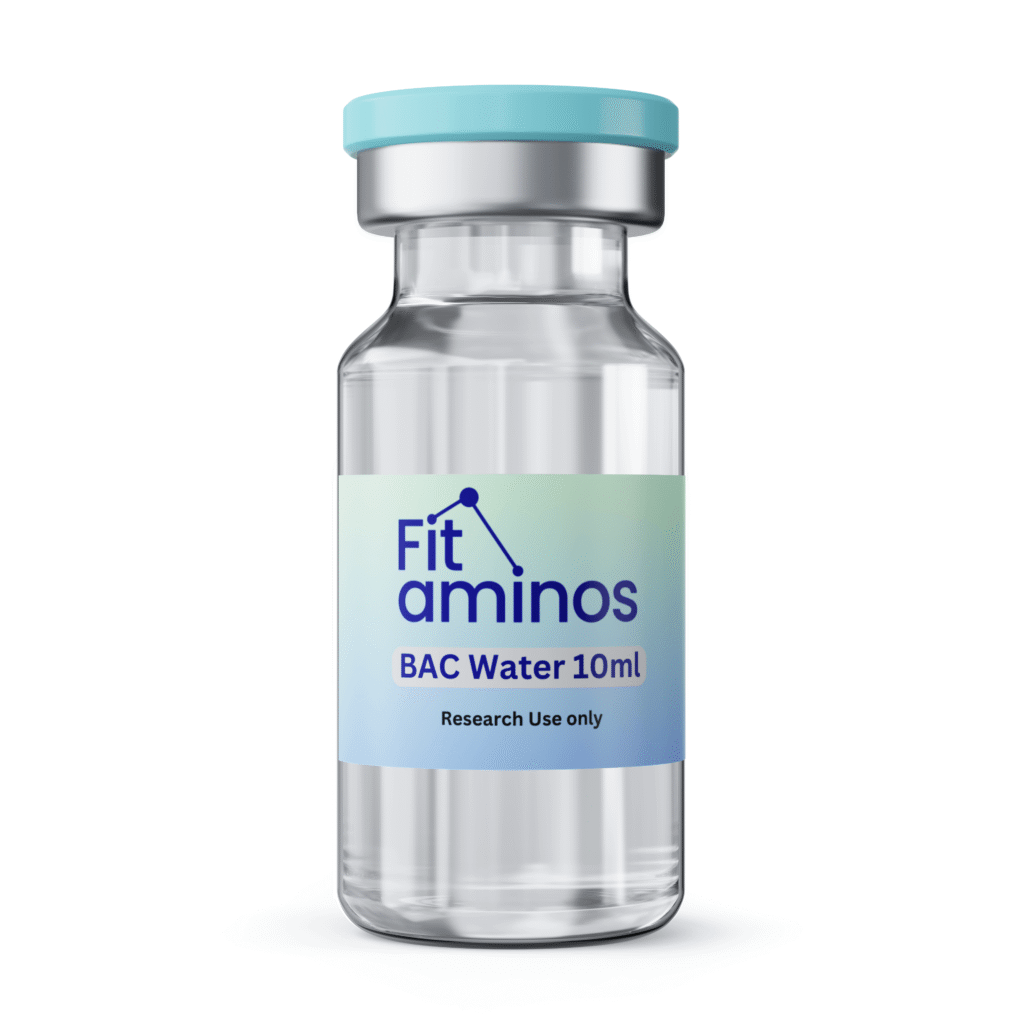
Bacteriostatic Water (10 mL bottles):
Each vial requires ~2.0 mL for reconstitution
- 8 weeks (3 vials): 6 mL → 1 × 10 mL bottle
- 12 weeks (4 vials): 8 mL → 1 × 10 mL bottles
- 16 weeks (6 vials): 12 mL → 2 × 10 mL bottles
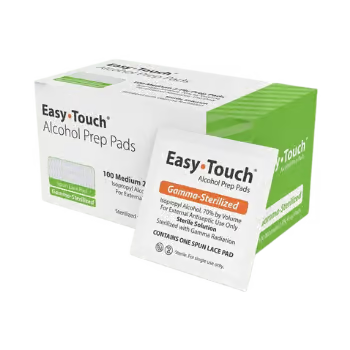
Alcohol Swabs:
Use one swab for the vial and one for the injection site per application
- Weekly: 14 swabs
- 8 weeks: 112 swabs → recommend 2 × 100-count boxes
- 12 weeks: 168 swabs → recommend 2 × 100-count boxes
- 16 weeks: 224 swabs → recommend 3 × 100-count boxes
Protocol Overview
- Goal: Support reduction of inflammation and regulate immune system signaling
- Schedule: Daily administration over 8–12 weeks (optional extension to 16 weeks)
- Dose Range: 200–500 mcg per day
- Reconstitution: 2 mL per 10 mg vial for accurate low-volume dosing
- Approach: Gradual escalation followed by maintenance phase
Dosing Protocol
A consistent once-daily dosing structure designed for balanced peptide administration.
- Start at 250 mcg daily to assess baseline response
- Increase dose by ~100 mcg each week as needed
- Reach 400–500 mcg daily for maintenance phase
- Administer once per day via subcutaneous injection
- Continue protocol for 8–12 weeks (extendable to 16 weeks if required)
- Maintain consistent timing and rotate injection sites
Storage Instructions
Proper storage is essential to maintain peptide stability and integrity.
- Lyophilized (Unmixed): Store in a freezer at approximately −20°C (−4°F) for long-term preservation. If freezing is not available, refrigeration (2–8°C) is acceptable for shorter durations. Keep in a dry, dark environment away from moisture.
- After Reconstitution: Store the solution in a refrigerator at 2–8°C (35.6–46.4°F) at all times. Do not freeze once mixed.
- Shelf Life: Use within 28 days after reconstitution for optimal stability and reliability. Discard any remaining solution after this period.
Important Notes
Key considerations for consistency, handling, and research accuracy.
- Always use a new, sterile insulin syringe for each administration; do not reuse needles
- Follow proper aseptic technique: clean both the vial stopper and injection site with separate alcohol swabs and allow to dry fully
- Rotate injection sites (abdomen, thighs, upper arms) to reduce irritation and avoid tissue buildup
- Administer injections slowly and steadily, allowing a few seconds before withdrawing the needle
- Keep a record of dosing, timing, and injection sites to maintain consistency throughout the protocol
- Do not use the solution if it appears cloudy, discolored, or contains visible particles
- Store and handle peptides according to recommended conditions to preserve stability
How This Works
KPV retains the active anti-inflammatory segment of α-MSH without activating melanocyte pathways. Its primary mechanism involves suppressing inflammatory signaling pathways, particularly through inhibition of NF-κB activity.
This leads to reduced production of pro-inflammatory cytokines such as TNF-α, IL-6, and IL-1β. In research settings, KPV has shown effectiveness in models of intestinal inflammation, immune dysregulation, and tissue injury.
Subcutaneous administration allows for systemic absorption, supporting broader anti-inflammatory effects across multiple tissues.
Potential Benefits & Considerations
- Anti-Inflammatory Effects: Demonstrated ability to reduce key inflammatory cytokines and regulate immune responses
- Gut Health Support: Frequently studied in inflammatory bowel models and intestinal barrier function
- Tissue Repair Support: May contribute to improved healing through inflammation control
- Systemic Immune Modulation: Helps regulate overactive immune responses in research models
- No Pigmentation Effects: Unlike α-MSH, KPV does not influence melanin production
- Tolerability: Generally well tolerated; mild injection-site irritation may occur
Note: Findings are based on preclinical and early-stage research. Further studies are required to confirm long-term outcomes.
Lifestyle Factors
- Follow an anti-inflammatory diet rich in whole foods and omega-3 fatty acids
- Minimize processed foods and refined sugars
- Maintain consistent physical activity without overtraining
- Prioritize 7–9 hours of quality sleep
- Manage stress levels to support immune balance
- Support gut health through fiber intake and microbiome-friendly foods
Injection Technique
General guidance for subcutaneous administration:
- Clean the vial stopper and injection area with alcohol and allow to dry
- Gently pinch the skin and insert the needle at a 45–90° angle
- Inject slowly and steadily without aspirating
- Hold the needle in place for a few seconds before removing
- Rotate injection sites (abdomen, thighs, upper arms) to reduce irritation
Recommended Source
We recommend Fit Aminos for high-purity research peptide products.
Why Fit Aminos?
- High-purity, lab-tested peptide batches with quality verification.
- Consistent handling and preparation processes designed to support reliable research protocols.
- Transparent sourcing and dependable fulfillment for research-grade compounds.
Important Note
This content is intended for educational and research purposes only and does not constitute medical advice, diagnosis, or treatment. KPV – 10mg remains an investigational peptide with limited human clinical data. For research use only. Not for human consumption.
References
Pawar K. et al. – KPV anti-inflammatory activity without melanotropic effects
FASEB Journal (2003)- Brzoska T. et al. – α-MSH tripeptides and inflammation modulation
Gastroenterology (2008)— Dalmasso G. et al.: PepT1‑mediated tripeptide KPV uptake reduces intestinal inflammation in DSS colitis models
Innerbody Research (2025) — KPV peptide benefits, safety, and administration routes; subcutaneous injection for systemic therapy
Peptides.org Dosage Guide (2023)— KPV dosage calculator and protocol: 200–400 mcg subcutaneously once daily for inflammation and wound healing