

Hair loss isn’t just cosmetic it hits confidence, identity, and daily life. The market is flooded with solutions, but most either underperform or come with trade-offs. One compound that keeps coming up in dermatology and hair forums is copper peptides help hair growth.
Do they actually regrow hair, or is this just another overhyped ingredient?
This guide by Peptides Unleashed breaks down the science, real benefits, limitations, risks, and how to use copper peptides correctly so you’re not wasting time or money.
What Are Copper Peptides?
Copper peptides are small protein fragments bound to copper ions. The most studied form is GHK-Cu (glycyl-L-histidyl-L-lysine copper), naturally present in human plasma and tissues.
They’re known for:
- Wound healing
- Anti-inflammatory effects
- Tissue repair and regeneration
Over time, researchers noticed something interesting: they also affect hair follicle biology.
How Copper Peptides help for Hair Growth
Copper peptides don’t work like minoxidil (which increases blood flow). Their mechanism is broader and more biological.
Stimulating Hair Follicle Activity
Copper peptides help activate dormant hair follicles by:
- Increasing cellular turnover
- Enhancing follicle size and health
- Supporting the anagen (growth) phase
Improving Blood Supply to the Scalp
They promote angiogenesis (formation of new blood vessels), which:
- Improves oxygen delivery
- Enhances nutrient supply to follicles
Reducing Inflammation
Chronic scalp inflammation is a hidden cause of hair loss.
Copper peptides:
- Reduce inflammatory cytokines
- Improve scalp environment
- Support healthier follicles
Blocking DHT-Induced Damage (Indirectly)
While not a direct DHT blocker, copper peptides help to :
- Reduce damage caused by DHT
- Support follicle repair
Collagen and Tissue Repair
Healthy scalp = better hair growth.
Copper peptides:
- Stimulate collagen production
- Repair damaged skin tissue
- Strengthen hair anchoring
Scientific Evidence
Research indexed on PubMed suggests that GHK-Cu:
- Promotes wound healing
- Enhances tissue remodeling
- May stimulate hair follicle activity
However, clinical data specifically on hair regrowth is still limited compared to drugs like minoxidil or finasteride.
Blunt Truth
Copper peptides help promising but they are not a miracle cure.
Benefits of Copper Peptides for Hair Growth
| Benefit | Explanation |
|---|---|
| Supports hair regrowth | Activates follicles and improves growth cycle |
| Strengthens hair | Improves follicle health and structure |
| Reduces scalp inflammation | Creates a healthier growth environment |
| Improves scalp circulation | Enhances nutrient delivery |
| Anti-aging for scalp | Boosts collagen and tissue repair |
Copper Peptides vs Other Hair Loss Treatments
| Treatment | Mechanism | Effectiveness | Side Effects |
|---|---|---|---|
| Minoxidil | Blood flow stimulation | High | Scalp irritation |
| Finasteride | DHT blocker | Very high | Hormonal side effects |
| Copper Peptides | Tissue repair & follicle support | Moderate | Low |
Reality Check
- Copper peptides = supportive treatment
- Not a replacement for proven therapies in severe hair loss
Who Should Use Copper Peptides?
Best for:
- Early-stage hair thinning
- Scalp health improvement
- Post-hair transplant recovery
- People avoiding hormonal treatments
Not ideal for:
- Advanced male pattern baldness (alone)
- Expecting fast regrowth results
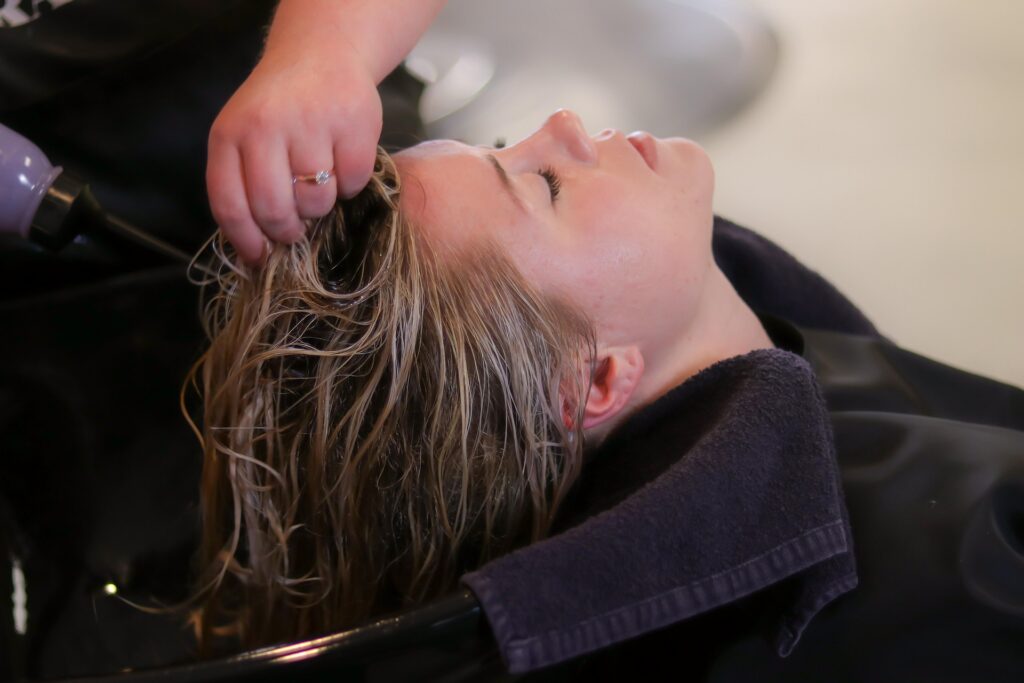
How to Use Copper Peptides for Hair Growth
Topical Application (Most Effective)
| Step | Instruction |
|---|---|
| 1 | Apply to clean scalp |
| 2 | Use 1–2 times daily |
| 3 | Massage gently |
| 4 | Do not rinse immediately |
Dosage & Concentration
- Typical concentration: 0.1% – 1% GHK-Cu
- Start low → increase gradually
Best Time to Use
- Morning or night (consistency matters more than timing)
Stacking with Other Treatments
Copper peptides can be combined with:
- Minoxidil
- Microneedling
- Hair growth serums
Side Effects and Risks
Copper peptides are generally safe, but not completely risk-free.
Common Side Effects
- Mild scalp irritation
- Redness
- Temporary shedding
Potential Risks
- Overuse → skin sensitivity
- Poor-quality products → contamination
Important Warning
If you think “more = better,” you’ll mess this up.
Higher concentration does NOT guarantee better results.
How Long Do Results Take?
| Timeframe | Expected Results |
|---|---|
| 2–4 weeks | Improved scalp condition |
| 6–8 weeks | Reduced shedding |
| 3–6 months | Noticeable hair improvement |
Reality Check
Hair growth is slow. If you expect results in 2 weeks, you’re setting yourself up for disappointment.
Common Mistakes That Kill Results
Inconsistent Use
Skipping days = slower results.
Expecting Fast Growth
Hair cycles take months not days.
Using Low-Quality Products
Cheap formulas often don’t contain effective GHK-Cu levels.
Ignoring Root Causes
If your hair loss is hormonal, copper peptides alone won’t fix it.
Natural Ways to Enhance Results
- Maintain a protein-rich diet
- Ensure iron, zinc, and vitamin D levels
- Reduce stress
- Improve sleep quality
FAQ Section
Do copper peptides regrow hair?
They can support regrowth, but results vary and are usually moderate.
Are copper peptides better than minoxidil?
No. Minoxidil is more clinically proven for regrowth.
Can I use copper peptides daily?
Yes, daily use is recommended for best results.
Do copper peptides block DHT?
Not directly, but they may reduce damage caused by DHT.
Are they safe long-term?
Generally yes, when used at proper concentrations.
Final Verdict
Copper peptides are not a magic solution but they are a valuable tool.
- They improve scalp health
- Support follicle function
- Enhance overall hair quality
But if you’re dealing with serious hair loss, relying on them alone is a mistake.
Straight Answer
- Mild hair loss → useful
- Severe hair loss → combine with proven treatments
Conclusion
Copper peptides offer a scientifically grounded, low-risk approach to improving hair growth but they work best as part of a broader strategy.
If you:
- Use them consistently
- Combine with proper nutrition
- Address underlying causes
You’ll get results.
If you expect miracles you won’t.
References
Pickart, L. (2008). The human tri-peptide GHK and tissue remodeling. Journal of Biomaterials Science.
https://pubmed.ncbi.nlm.nih.gov/18804517/
Pickart, L., & Margolina, A. (2018). Regenerative and protective actions of the GHK-Cu peptide in the light of the new gene data. International Journal of Molecular Sciences.
https://pubmed.ncbi.nlm.nih.gov/29425114/
Finkley, M. B. (1999). Copper peptide and skin regeneration. Dermatologic Surgery.
https://pubmed.ncbi.nlm.nih.gov/10417589/
National Center for Biotechnology Information. (2020). Copper peptides and wound healing mechanisms.
https://www.ncbi.nlm.nih.gov/
