
Kisspeptin (10 mg Vial) Dosage Protocol
Contents
- Quickstart Highlights
- Dosing & Reconstitution Guide
- Standard / Gradual Approach (3 mL = ~1.67 mg/mL)
- Reconstitution Steps
- Supplies Needed
- Protocol Overview
- Dosing Protocol
- Storage Instructions
- Important Notes
- How This Works
- Potential Benefits & Side Effects
- Lifestyle Factors
- Injection Technique
- Recommended Source
- Important Note
- References
Quickstart Highlights
Kisspeptin (metastin) is a neuroendocrine peptide that regulates reproductive hormone signaling by stimulating GnRH release from the hypothalamus. Activation of GPR54 receptors triggers pulsatile LH and FSH secretion, influencing gonadal steroid production and gametogenesis. This protocol outlines a once-daily subcutaneous approach for research purposes.
- Reconstitution: Add 3.0 mL bacteriostatic water → ~3.33 mg/mL.
- Typical daily range: 100–200 mcg (gradual titration).
- Measuring: At 3.33 mg/mL, 1 unit = 0.01 mL ≈ 33.3 mcg on a U‑100 insulin syringe.
- Storage: Lyophilized freeze at −20 °C; reconstituted refrigerate at 2–8 °C, avoid freeze-thaw cycles.
Dosing & Reconstitution Guide
Educational guide for reconstitution and daily dosing
Standard / Gradual Approach (3 mL = ~1.67 mg/mL)
| Week | Daily Dose (mcg) | Units (per injection) |
|---|---|---|
| Weeks 1–2 | 100 mcg | 3 units |
| Weeks 3–8 | 200 mcg | 6 units |
Frequency: Once daily, preferably at bedtime to align with natural nocturnal GH pulsatility.
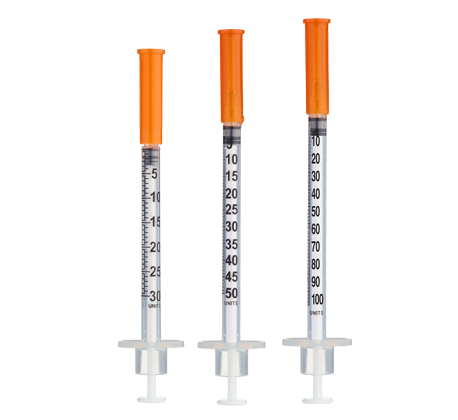
For ≤10-unit doses, 30- or 50-unit insulin syringes improve accuracy.
Reconstitution Steps
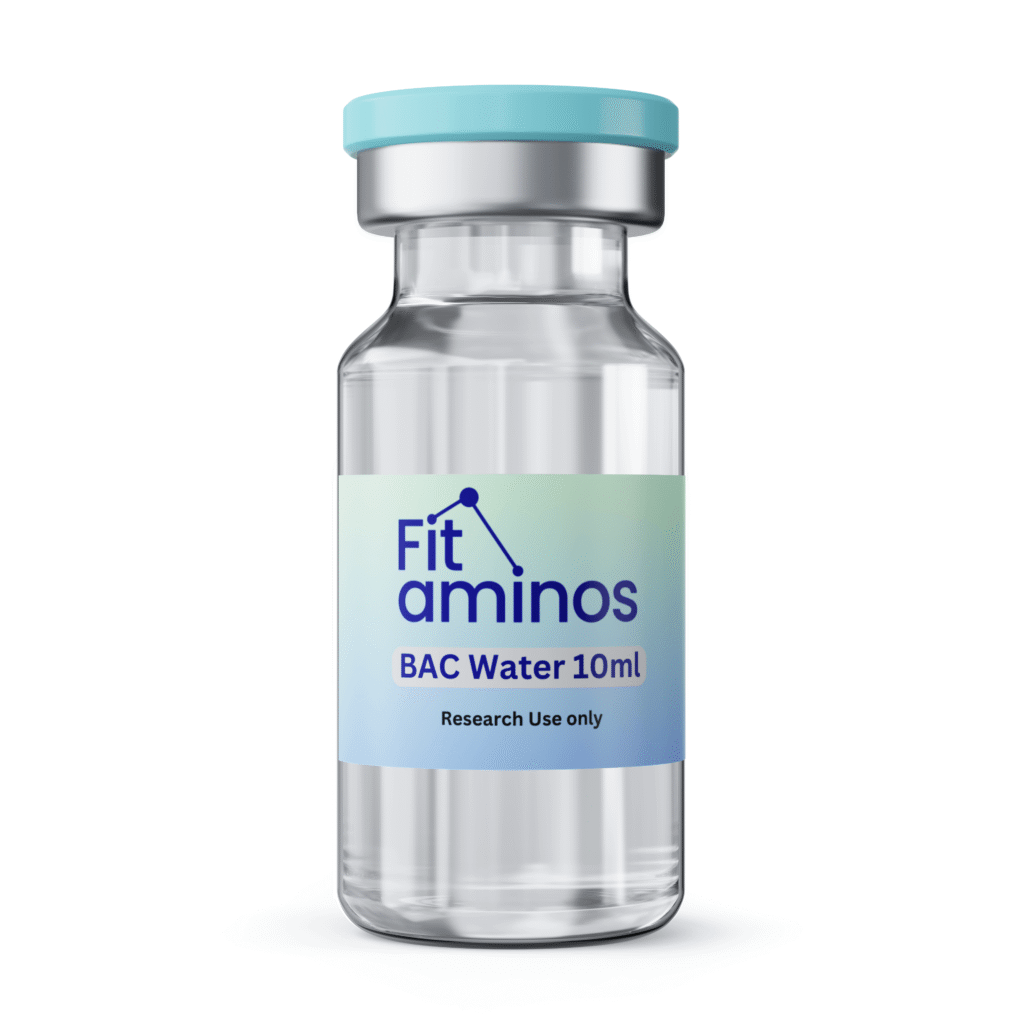
Draw 3.0 mL bacteriostatic water using a sterile syringe.
Inject slowly along the vial wall to avoid foaming.
Gently swirl/roll until dissolved; do not shake.
Label vial with date and concentration; refrigerate at 2–8 °C.
Use within 1–2 weeks; discard if cloudy or particulate appears.
Important: This guide is for educational purposes only and is not medical advice. For research use only. Not for human consumption.
Supplies Needed
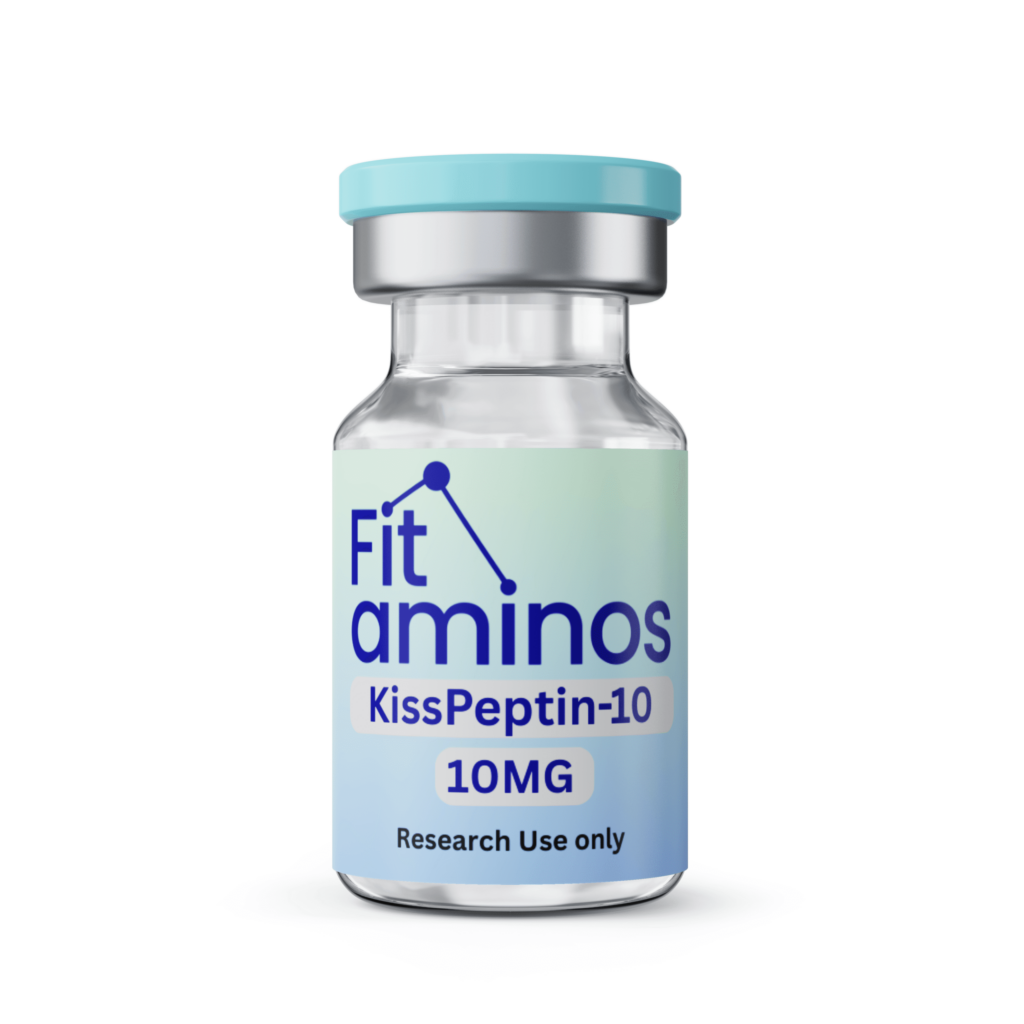
- Peptide Vials (Kisspeptin 10 mg):
- 8 weeks → 1 vial
- 12 weeks → 2 vials
- 16 weeks → 3 vials
- Insulin Syringes (U‑100): 1 per day
- 8 weeks → 56 syringes
- 12 weeks → 84 syringes
- 16 weeks → 112 syringes
- Bacteriostatic Water (10 mL): ~3 mL per vial
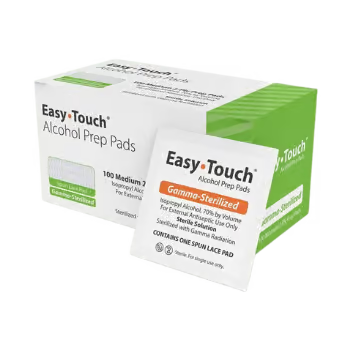
- Alcohol Swabs: 2 per day (1 for vial, 1 for injection site)
- 8 weeks → 112 swabs
- 12 weeks → 168 swabs
- 16 weeks → 224 swabs
Protocol Overview
- Goal: Support physiological reproductive hormone signaling through GnRH stimulation.
- Schedule: Daily subcutaneous injections for 8–12 weeks.
- Dose Range: 100–200 mcg daily with gradual titration.
- Reconstitution: 3 mL per 10 mg vial (~3.33 mg/mL).
- Storage: Lyophilized frozen; reconstituted refrigerated; avoid freeze–thaw cycles.
Dosing Protocol
- Begin with 100 mcg daily for 1–2 weeks to assess sensitivity.
- Increase to 200 mcg daily if tolerated.
- Administer once per day subcutaneously at a consistent time.
- Cycle length: 8–12 weeks; avoid prolonged continuous use to prevent tachyphylaxis.
- Rotate injection sites (abdomen, thighs, upper arms).
Storage Instructions
Maintaining proper storage conditions is essential for stability.
Lyophilized: Store at 2–8 °C; freeze ≤−20 °C for long-term storage.
Reconstituted: Refrigerate 2–8 °C; use within 1–2 weeks; avoid freeze-thaw.
Let vials reach room temperature before opening to prevent condensation.
Important Notes
Key considerations for consistency and safe handling:
Use a new sterile syringe for each injection; dispose properly in a sharps container.
Rotate injection sites (abdomen, thighs, upper arms) to minimize irritation.
Inject slowly and hold a few seconds before removing needle.
Document doses and site rotation.
Administer on an empty stomach (fasted ≥2 hours) for optimal GH response.
How This Works
Kisspeptin-10 is a synthetic decapeptide fragment derived from the larger kisspeptin protein family, which plays a central role in hypothalamic-pituitary-gonadal (HPG) axis signaling. In laboratory settings, Kisspeptin-10 has been studied for its interaction with the GPR54 (KISS1R) receptor and its involvement in neuroendocrine regulatory pathways.
Due to its receptor specificity and signaling profile, Kisspeptin-10 is commonly researched in models examining reproductive hormone regulation, gonadotropin signaling, and central neuroendocrine mechanisms. Its short-chain structure allows for focused investigation of kisspeptin receptor activation in controlled research environments.
- Kisspeptin binds to GPR54 receptors on GnRH neurons in the hypothalamus.
- Stimulates GnRH release → pituitary LH and FSH secretion → gonadal sex steroid production.
- Provides a physiologic pattern of hormone release, unlike direct GnRH or hCG administration.
Potential Benefits & Side Effects
- Sex Hormone Stimulation: Enhances endogenous testosterone and estrogen via LH/FSH.
- Fertility Research: Supports resumption of menstrual cycles in hypothalamic suppression models.
- IVF Research: Can induce LH surge for oocyte maturation with lower OHSS risk vs hCG.
- Safety: Generally well tolerated; occasional mild injection-site reactions.
Lifestyle Factors
Supporting variables that may improve research consistency:
- Maintain healthy nutrition and body weight to support endogenous hormones.
- Prioritize sleep and stress management to optimize HPG axis function.
- Monitor reproductive function and hormone-related changes.
Injection Technique
General guidance for subcutaneous administration:
- Clean the vial stopper and injection area with alcohol and allow to dry
- Gently pinch the skin and insert the needle at a 45–90° angle
- Inject slowly and steadily without aspirating
- Hold the needle in place for a few seconds before removing
- Rotate injection sites (abdomen, thighs, upper arms) to reduce irritation
Recommended Source
We recommend Fit Aminos for high-purity
Kisspeptin-10 – 10mg research peptide products.
Why Fit Aminos?
- High-purity, lab-tested peptide batches with quality verification.
- Consistent handling and preparation processes designed to support reliable research protocols.
- Transparent sourcing and dependable fulfillment for research-grade compounds.
Shop Kisspeptin-10 – 10mg at Fit Aminos
Important Note
This content is intended for educational and research purposes only and does not constitute medical advice, diagnosis, or treatment. Kisspeptin-10 – 10mg remains an investigational peptide with limited human clinical data. For research use only. Not for human consumption.
References
Endocrine Reviews – Emerging Therapeutic Potential of Kisspeptin and Neurokinin B
Endocrine Reviews – Kisspeptin stimulation of GnRH and downstream LH/FSH secretion
Endocrine Reviews – KiSS-1 gene discovery and role in metastasis suppression
Kisspeptin-10 Clinical Reference Sheet – Starting dose recommendations
Endocrine Reviews – Dose-response relationships and titration protocols