GLP-1S 5mg Vial Dosage Protocol

Quickstart Highlights

GLP-1S is a synthetic GLP-1 analog peptide studied in research settings for its role in incretin signaling, glucose regulation pathways, and appetite-related mechanisms. It mimics the activity of endogenous glucagon-like peptide-1, interacting with receptors involved in metabolic and endocrine communication.

  • Reconstitute: Add 2.0 mL (5mg)  bacteriostatic water → adjustable concentration based on study design.
  • Typical research dose: 100–300 mcg administered periodically based on protocol goals.
  • Administration: Commonly modeled as subcutaneous delivery in research environments.
  • Storage: Lyophilized: store frozen; after reconstitution, refrigerate at 2–8 °C and use within 4–6 weeks

Dosing & Reconstitution Guide

Educational guide for reconstitution and daily dosing

Standard Approach (2 mL = 23.3 mg/mL)

Frequency: Typically modeled as once daily or several times weekly, depending on research design and half-life considerations.

Reconstitution Steps

  • Draw 2.0 mL bacteriostatic water using a sterile syringe
  • Inject slowly into the vial (avoid direct powder impact)
  • Gently swirl until dissolved (do not shake)
  • Store refrigerated at 2–8°C
  • Use within 4 weeks

Important: This guide is for educational purposes only and is not medical advice. For research use only. Not for human consumption.

Supplies Needed

Plan based on a 4-week protocol using standard GLP-1S dosing.

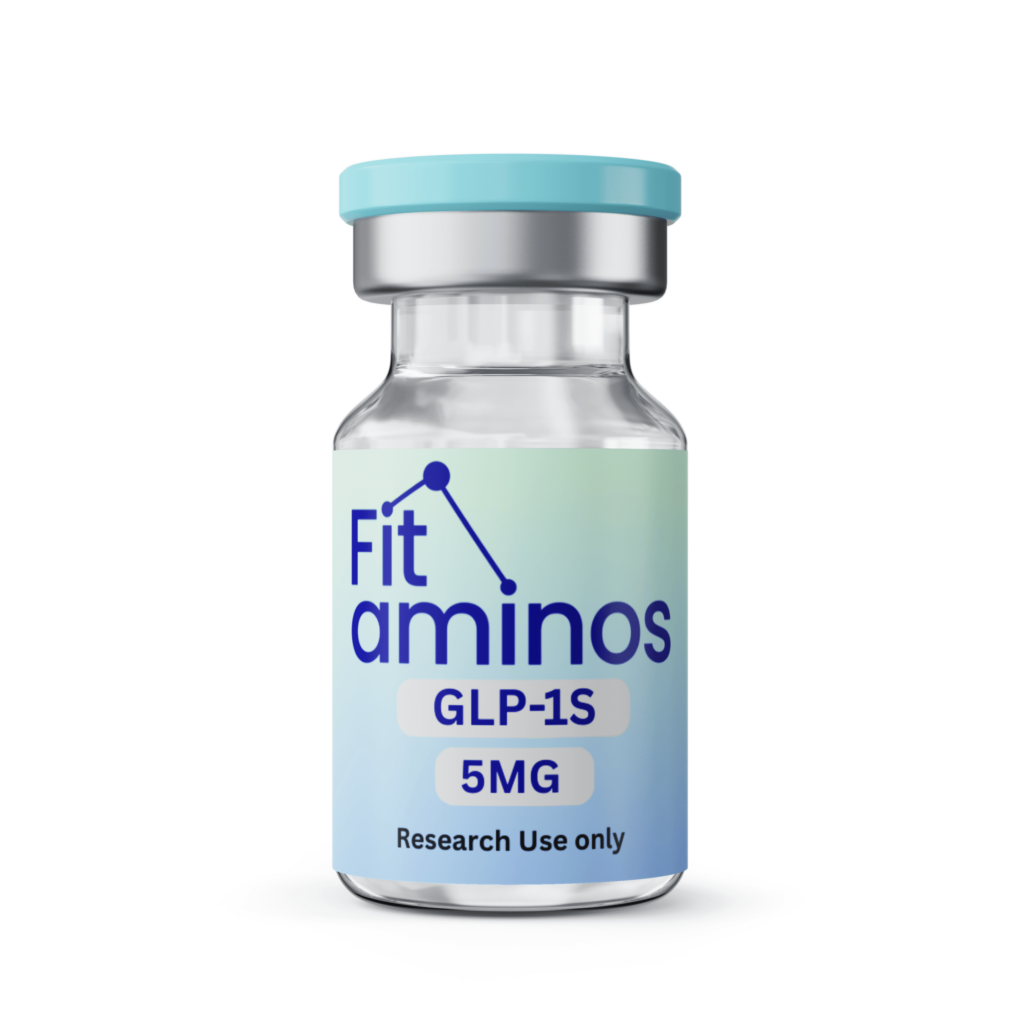
Peptide Vials (GLP-1S):
4 weeks:

  • 5mg vial → typically 1–2 vials depending on dose escalation
  • 10mg vial → typically 1 vial sufficient

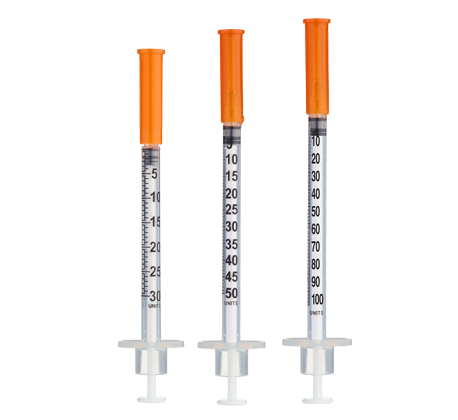
Insulin Syringes (U-100, 0.3 mL / 30-unit recommended):
4 weeks: 28 syringes (1 per day)

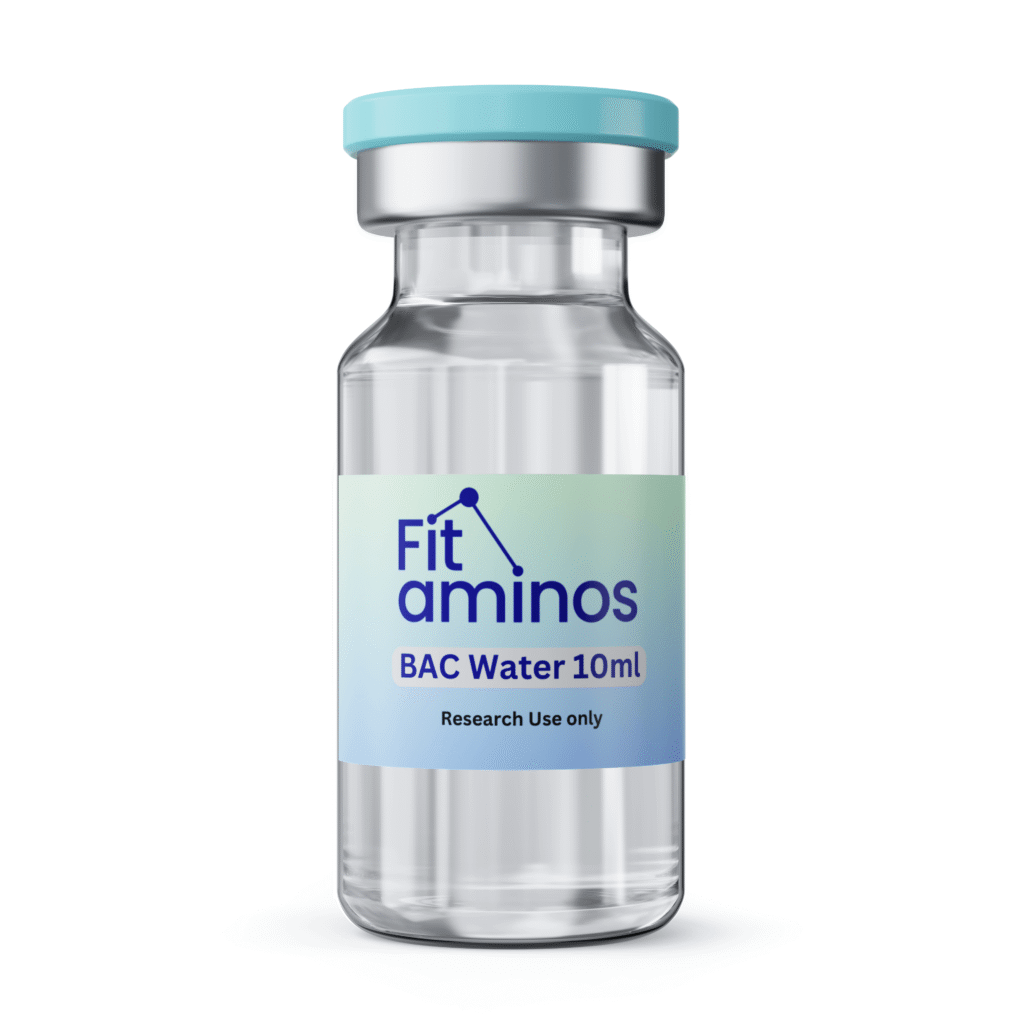
Bacteriostatic Water (10 mL bottle):
Use ~2.0 mL per vial for reconstitution
4 weeks: 1 × 10 mL bottle is sufficient

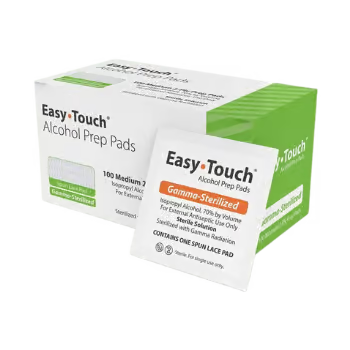
Alcohol Swabs:
One for vial stopper + one for injection site per use
4 weeks: 56 swabs (2 per day) → recommend 1 × 100-count box

Sharps Container:
1 container for safe disposal of used syringes and needles

Protocol Overview

Goal: Investigate GLP-1 receptor-mediated pathways related to glucose metabolism, appetite signaling, and endocrine feedback systems.

Schedule: Gradual dose escalation over several weeks to evaluate response dynamics in receptor signaling models.

Dose Range: 100–300 mcg per administration depending on study phase.

Administration: Subcutaneous injection models are commonly used in research.

Cycle Length: 6–8 weeks with optional observation period post-cycle.

Dosing Protocol

  • Begin with a low starting dose to assess baseline response (commonly ~100 mcg).
  • Gradually increase dosage over time based on research objectives and tolerance (up to 200–300 mcg).
  • Administer via subcutaneous injection using a consistent schedule (once daily or as defined in the protocol).
  • Maintain consistent timing of administration to support stable signaling patterns.
  • Keep injection volume low (typically under 0.1 mL) for precise and controlled delivery.
  • Use U-100 insulin syringes (0.3 mL / 30-unit recommended) for accurate measurement at low doses.
  • Continue protocol for 4–8 weeks depending on study design, followed by an observation or rest phase if required.

Storage Instructions

  • Lyophilized GLP-1S should be stored in a freezer (−20 °C) for long-term stability. Refrigeration is acceptable for short-term storage prior to reconstitution.
  • Once reconstituted, the solution must be kept refrigerated at 2–8 °C at all times. Do not freeze after mixing. For best stability, use within 4–6 weeks.
  • Protect from light and always inspect before use. Discard if the solution appears cloudy or contaminated.

Important Notes

Key considerations for consistency, handling, and research accuracy.

  • Always use a new, sterile insulin syringe for each administration; do not reuse needles
  • Follow proper aseptic technique: clean both the vial stopper and injection site with separate alcohol swabs and allow to dry fully
  • Rotate injection sites (abdomen, thighs, upper arms) to reduce irritation and avoid tissue buildup
  • Administer injections slowly and steadily, allowing a few seconds before withdrawing the needle
  • Keep a record of dosing, timing, and injection sites to maintain consistency throughout the protocol
  • Do not use the solution if it appears cloudy, discolored, or contains visible particles
  • Store and handle peptides according to recommended conditions to preserve stability

How This Works

GLP-1S functions as a GLP-1 receptor agonist analog, interacting with receptors primarily located in pancreatic, gastrointestinal, and central nervous system tissues. Upon binding, it activates intracellular signaling pathways associated with incretin hormone activity.

These pathways are involved in glucose-dependent insulin signaling, glucagon modulation, and gastrointestinal motility processes. In research environments, GLP-1 receptor activation is often linked to downstream signaling cascades that influence metabolic regulation and endocrine feedback loops.

Additionally, GLP-1 signaling has been studied in the context of the gut-brain axis, where receptor activation contributes to appetite-related signaling and neuroendocrine communication. These mechanisms make GLP-1S a valuable tool for investigating metabolic and hormonal interactions.

Potential Benefits & Side Effects

Metabolic Pathway Research: GLP-1S is widely studied for its role in glucose regulation and insulin signaling pathways, making it relevant for metabolic research models.

Appetite Signaling Studies: GLP-1 receptor activity is linked to central appetite pathways, providing a framework for studying satiety and energy balance mechanisms.

Endocrine System Modeling: Research often focuses on pancreatic hormone signaling, including insulin and glucagon dynamics.

Gut-Brain Axis Interaction: GLP-1–related peptides are frequently evaluated for their influence on communication between the gastrointestinal system and the central nervous system.

Tolerability in Research Models: Generally well-tolerated in controlled environments, though mild localized reactions may occur in injection-based studies.

Note: Findings are based on controlled research settings. Further large-scale studies are required to fully understand long-term effects and applications.
Lifestyle Factors

Supportive considerations often included in metabolic research frameworks.

  • Maintain balanced nutritional intake aligned with study parameters.
  • Ensure consistent daily routines to reduce variability in metabolic measurements.
  • Prioritize adequate sleep to support hormonal regulation cycles.
  • Manage external stressors to minimize impact on endocrine signaling pathways.
  • Maintain hydration and micronutrient balance for optimal physiological conditions

Injection Technique

General guidance for subcutaneous administration:

  • Clean the vial stopper and injection area with alcohol and allow to dry
  • Gently pinch the skin and insert the needle at a 45–90° angle
  •  Inject slowly and steadily without aspirating
  • Hold the needle in place for a few seconds before removing
  • Rotate injection sites (abdomen, thighs, upper arms) to reduce irritation

We recommend Fit Aminos for high-purity research peptide products.

GLP-1S

Why Fit Aminos?

  • High-purity, lab-tested peptide batches with quality verification.
  • Consistent handling and preparation processes designed to support reliable research protocols.
  • Transparent sourcing and dependable fulfillment for research-grade compounds.

Shop at Fit Aminos

Important Note

This content is intended for educational and research purposes only and does not constitute medical advice, diagnosis, or treatment.

GLP-1S remains an investigational peptide with limited human clinical data. For research use only. Not for human consumption.

References

Glucagon-like peptide 1 receptor agonists: cardiovascular benefits and mechanisms of action

Glucagon-like peptide 1(GLP-1) in biology and pathology….

Crystal structure of the GLP-1 receptor bound to a peptide agonist…

Glucagon-like Peptide-1 (GLP-1) Analogs: Recent Advances, New Possibilities, and Therapeutic Implications

Get Free ‘Peptides Unleased’ E-book

Join our newsletter and get instant access to our exclusive eBook:
“THE COMPLETE PEPTIDE REFERENCE GUIDE”

Week Dose (mcg) Units (U-100) Volume (mL)
Weeks 1–2 100 mcg 4 units 0.04 mL
Weeks 3–4 150 mcg 6 units 0.06 mL
Weeks 5–8 200 mcg 8 units 0.08 mL